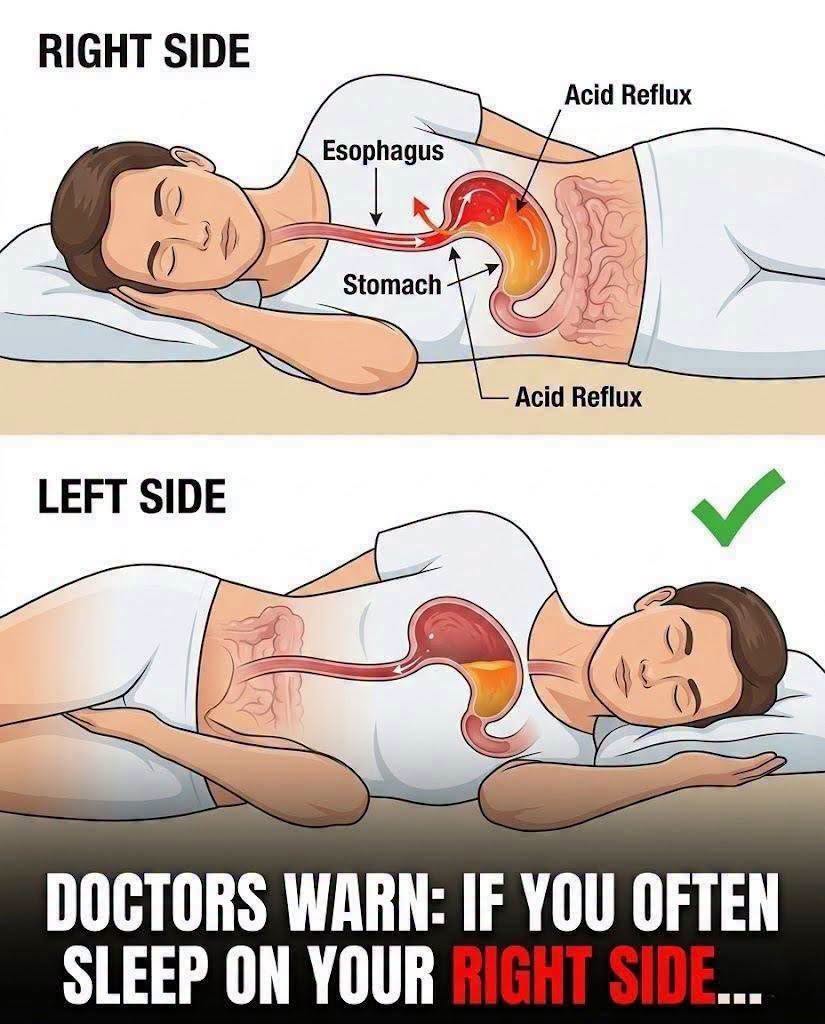
You blame the spicy food. You blame the extra slice of pizza. You blame the glass of wine before bed. But what if the real culprit is something far more ordinary—something you do every single night without a second thought?
The moment your head touches the pillow, a hidden battle begins inside your body. For millions of people, that battle involves stomach acid slowly creeping upward, irritating delicate tissues and disrupting sleep in ways they may never fully recognize. The result is not just discomfort. It can mean chronic heartburn, nighttime coughing, disturbed sleep, throat irritation, and a cycle of exhaustion that follows people into their waking hours.
What makes this threat particularly deceptive is how silent it can be. Many people assume acid reflux is simply a consequence of eating the wrong foods. While diet certainly plays a role, researchers and medical professionals have long known that body position can dramatically influence whether stomach acid stays where it belongs—or travels upward into places it should never reach.
The human digestive system was designed with gravity on its side. During the day, when you are standing or sitting upright, gravity helps keep stomach contents down. A muscular valve known as the lower esophageal sphincter acts as a barrier between the stomach and the esophagus. Under ideal conditions, this valve prevents acid from moving upward.
But nighttime changes everything.
When you lie flat, gravity loses much of its protective advantage. Suddenly, stomach acid has a much easier path toward the esophagus. If that acid repeatedly escapes, it can create the familiar burning sensation known as heartburn. Over time, frequent reflux may contribute to inflammation and damage to the esophageal lining.
What surprises many people is that the direction you sleep can make a remarkable difference.
Studies have repeatedly suggested that sleeping on the left side may help reduce episodes of acid reflux. The reason has everything to do with anatomy. The stomach is not positioned symmetrically within the body. When a person lies on their left side, the stomach sits in a way that helps keep acid pooled lower, beneath the connection to the esophagus. Gravity works in your favor.
Sleep on the right side, however, and the arrangement changes. The stomach’s contents may be positioned closer to the esophageal opening, potentially making it easier for acid to escape upward. Some researchers have described this effect as similar to tilting a bottle. The liquid naturally moves toward the opening.
This simple shift in body position can mean the difference between a peaceful night and hours of discomfort.
Imagine someone who eats a late dinner, watches television in bed, and falls asleep on their right side. Throughout the night, small amounts of acid may repeatedly flow upward. They may wake with a burning chest, a sour taste in their mouth, or unexplained coughing. They might not even realize reflux is occurring. Instead, they blame poor sleep, allergies, stress, or a lingering cold.
Yet the evidence continues to point toward the importance of sleeping posture.
Doctors frequently recommend left-side sleeping for individuals struggling with nighttime reflux. While it is not a cure, it can become an important part of a broader strategy to reduce symptoms and improve sleep quality.
Timing matters as well.
One of the most common mistakes people make is eating shortly before bed. Digestion requires time. When you lie down immediately after a large meal, your stomach is still actively processing food. The increased volume and pressure inside the stomach can make reflux more likely.
Experts generally recommend finishing dinner at least two to three hours before going to sleep. This allows the stomach to empty a significant portion of its contents before you recline. The difference can be substantial, particularly for people who regularly experience nighttime heartburn.
Another useful strategy involves elevating the upper body. Many people assume an extra pillow will solve the problem, but stacking pillows often bends the body at the waist and may actually worsen symptoms. Instead, raising the head of the bed or using a wedge pillow creates a gradual incline that helps gravity keep stomach acid lower.
Identifying personal trigger foods can also be critical.
Common triggers include spicy foods, fatty meals, chocolate, caffeine, alcohol, carbonated beverages, tomatoes, citrus fruits, and peppermint. However, triggers vary widely from person to person. Keeping a food diary can reveal patterns that might otherwise go unnoticed.
For some individuals, a single evening cup of coffee may trigger symptoms. For others, it might be fried foods or alcohol. Understanding your unique triggers can dramatically reduce nighttime discomfort.
The consequences of ignoring reflux can extend beyond occasional heartburn.
Chronic acid exposure may irritate the throat, damage tooth enamel, contribute to voice problems, and interfere with restful sleep. Some people develop a persistent cough that seems unrelated to digestion. Others wake repeatedly throughout the night without understanding why.
Sleep itself plays a vital role in overall health. Poor sleep has been linked to problems ranging from impaired concentration and mood disturbances to increased risks for cardiovascular disease and metabolic disorders. When acid reflux repeatedly interrupts rest, the effects can ripple throughout nearly every aspect of daily life.
This is why persistent symptoms should never be dismissed.
If heartburn occurs frequently, if symptoms wake you from sleep, or if you experience chest discomfort, difficulty swallowing, chronic coughing, or unexplained throat irritation, it is important to seek professional medical advice. While many cases of reflux can be managed through lifestyle changes, some individuals may require medical evaluation and treatment.
The message is simple but powerful: your nights are not merely hours of unconscious rest. They are a period during which your body either recovers or struggles against hidden stressors.
The position you choose when you close your eyes may seem insignificant. Yet that small decision influences how gravity interacts with your digestive system for hours at a time. Sleeping on the left side, avoiding late meals, elevating the upper body, and recognizing trigger foods can transform the night from a period of silent irritation into one of genuine recovery.
The next time you feel that familiar burn rising through your chest, remember that the answer may not be sitting on your dinner plate. It may be waiting on your pillow. A simple turn to the left could be giving your body the protection it has been asking for all along.