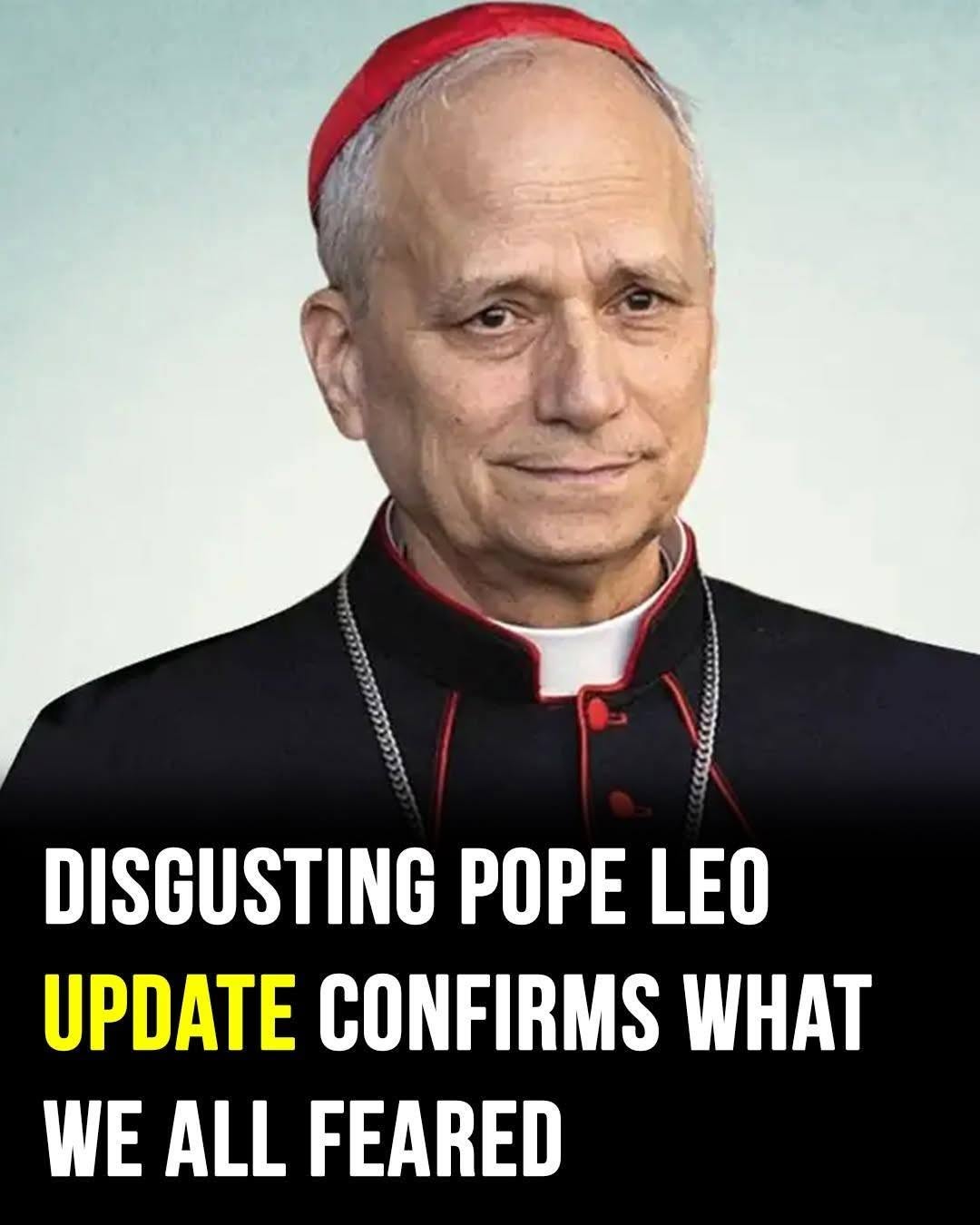
A historic moment unfolded in Vatican City as white smoke rose above the Sistine Chapel, signaling that the College of Cardinals had elected a new leader of the Roman Catholic Church. On Thursday evening local time, 69-year-old American Cardinal Robert Francis Prevost was chosen as the next pope, taking the name Leo XIV. The announcement marked the beginning of a new chapter for the Catholic Church and was greeted with celebration by millions of Catholics around the world.
The election came after only two days of deliberations during the papal conclave, the centuries-old process through which cardinals gather in secrecy to select a new pontiff. Following multiple rounds of voting inside the Sistine Chapel, the familiar white smoke appeared above the Vatican, immediately drawing cheers from the thousands of faithful gathered in St. Peter’s Square.
For many, the sight of the white smoke represented not only the conclusion of the conclave but also the beginning of a new era for the world’s approximately 1.4 billion Catholics. Pilgrims, tourists, clergy members, and local residents erupted into applause as bells rang throughout Vatican City.
Shortly afterward, Cardinal Robert Francis Prevost emerged onto the balcony of St. Peter’s Basilica. The crowd below responded with enthusiasm, waving flags and celebrating the historic announcement. As tradition dictates, the newly elected pope greeted the faithful and offered his first public remarks as the spiritual leader of the Catholic Church.
By choosing the name Leo XIV, Prevost became the first pope in more than a century to adopt the name Leo. The selection carries historical significance, as thirteen previous popes have used the name throughout Church history. Many observers immediately began discussing the symbolism behind the choice, noting that papal names often reflect values, priorities, or historical figures that the new pope wishes to honor.
Leo XIII, the most recent pope to bear the name before Leo XIV, served from 1878 to 1903 and is remembered for his influence on Catholic social teaching and his engagement with modern social issues. Because of this connection, some analysts have speculated that the new pope may wish to emphasize similar themes during his papacy, although it remains too early to know what direction his leadership will take.
The election of an American pope also generated significant attention. While cardinals from the United States have long played influential roles within the Church, the selection of an American-born pope has historically been considered unlikely by many Vatican observers. Prevost’s election therefore represents a notable milestone in the Church’s history.
Catholics around the world reacted with excitement and optimism. Churches held special prayers, religious leaders issued statements of congratulations, and social media platforms filled with messages celebrating the election. Many expressed hope that Leo XIV would provide strong leadership during a time when the Church faces numerous challenges, including declining attendance in some regions, ongoing discussions about modernization, and humanitarian concerns affecting communities worldwide.
However, not all reactions were positive.
Within hours of the announcement, political discussions began emerging online, particularly among certain groups in the United States. Some social media users associated with the MAGA movement criticized the new pope, questioning his views and speculating about how he might approach various social and political issues.
The criticism highlights the increasingly complex relationship between religion, politics, and social media in the modern era. Public figures, including religious leaders, often find themselves at the center of political debates regardless of their primary roles or intentions. As a result, reactions to major events can become polarized almost immediately.
Supporters of Pope Leo XIV have argued that the papacy should be viewed primarily through a spiritual and religious lens rather than a partisan political one. They emphasize that the pope’s mission centers on faith, moral guidance, and service to the global Catholic community.
Meanwhile, Vatican observers note that it is still very early in Leo XIV’s papacy. Much of the public discussion currently consists of speculation about what priorities he may pursue and how he will address the many issues facing the Church in the years ahead.
For now, the focus remains on the historic nature of his election. The image of white smoke rising above the Vatican has once again captured the attention of the world, reminding people of one of the oldest and most recognizable traditions in global religious life.
As Pope Leo XIV begins his tenure, millions of Catholics are looking to him for leadership, inspiration, and guidance. While debates and differing opinions are likely to continue, the election marks a significant moment in Church history and the beginning of a new chapter that will be closely watched around the world.
The white smoke may have signaled the end of the conclave, but it also marked the start of a papacy whose impact remains to be seen.