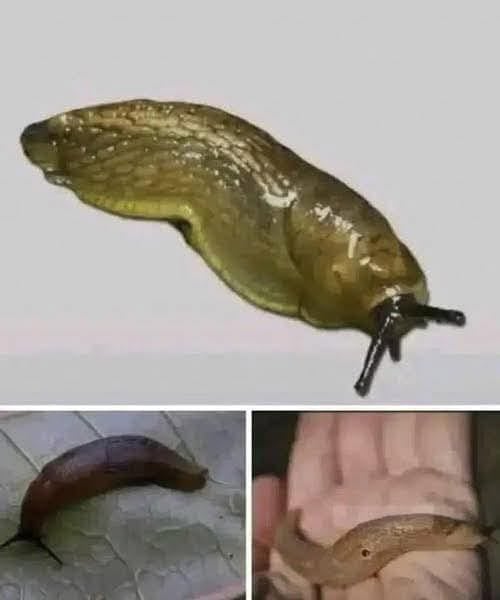
Most people don’t exactly celebrate when they see a slug sliding across the patio or garden path. With their slow movements and glistening trails, slugs are often met with discomfort or annoyance. Some see them as pests. Others simply ignore them.
But what if a slug’s appearance isn’t random at all?
What if, instead of being a nuisance, a slug is actually a sign that your environment is thriving?
While it may surprise you, these small, soft-bodied creatures play an important role in the ecosystem around your home. Their presence can reveal fascinating insights about soil health, moisture levels, and the balance of nature in your yard.
Let’s take a closer look at what slugs really represent — and why they deserve a second glance.
What Exactly Is a Slug?
At a basic level, a slug is closely related to a snail. In fact, slugs belong to the same scientific class, Gastropoda, which includes snails and other soft-bodied mollusks.
The main difference? Most slugs don’t have a visible external shell.
Some species have tiny internal shell remnants, but the slugs we commonly see in gardens are shell-less. Their soft bodies are specially adapted for moist environments, where they thrive.
One of their most recognizable features is the slime they produce. This mucus serves several essential purposes:
- It allows them to glide smoothly over rough surfaces.
- It protects their delicate bodies from drying out.
- It provides a degree of defense against predators and bacteria.
That silvery trail you see on sidewalks or leaves isn’t just a mess — it’s a survival tool.
Why Are Slugs Visiting Your Yard?
Slugs don’t appear randomly. They are drawn to specific environmental conditions.
If you’re noticing slugs around your home, it likely means your outdoor space offers:
- Moist soil
- Organic matter like fallen leaves
- Mulch or ground cover
- Dense plant growth
- Cool, shaded areas
In other words, slugs prefer biologically active, nutrient-rich environments.
Rather than signaling something negative, their presence often suggests that your yard supports a living ecosystem. Gardens filled with organic material, compost, and healthy plant life naturally attract decomposers — and slugs are part of that group.
Nature’s Recycling Team
Slugs play a major role in decomposition. They feed primarily on decaying plant material, fungi, algae, and fallen leaves. By doing so, they help break down organic matter and return valuable nutrients to the soil.
Think of them as part of nature’s cleanup crew.
Here’s what they help process:
Dead leaves
Rotting vegetation
Fungi growing on damp surfaces
Organic debris in compost
As they consume and digest this material, they help accelerate the recycling of nutrients. This supports soil fertility and benefits plant growth over time.
Healthy soil isn’t just dirt — it’s a living system filled with microorganisms, insects, fungi, worms, and yes, slugs. Each plays a specific role in maintaining balance.
Supporting Soil Health
When slugs break down tough plant fibers like cellulose, they help release nutrients locked inside organic matter. This encourages microbial activity and contributes to the nutrient cycle that plants depend on.
Although earthworms often receive most of the credit for soil improvement, slugs complement their efforts. They feed on materials that other organisms may struggle to process.
Together, these decomposers:
- Enrich soil structure
- Improve nutrient availability
- Support plant health
- Contribute to sustainable garden ecosystems
If your garden has slugs, it likely has life — and life is a good sign.
A Vital Link in the Food Web
Slugs don’t just contribute to soil health. They are also an important food source for many animals.
Birds, amphibians, small mammals, and certain insects rely on slugs as part of their diet. Some common slug predators include:
- Thrushes and robins
- Frogs and toads
- Hedgehogs
- Ground beetles
- Shrews
When slugs are present, it often means your yard supports a functioning food chain. A balanced ecosystem depends on this interconnected web of life.
Removing one element entirely can create ripple effects elsewhere.