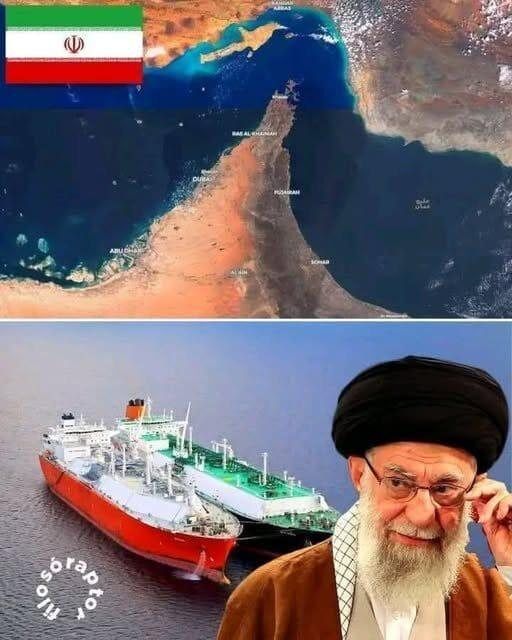
The Strait of Hormuz has long been considered one of the most critical chokepoints in the global energy system. Now, rising tensions in the Middle East have once again placed this narrow waterway at the center of global concern. Reports that the Iranian Parliament could approve a move to close the Strait of Hormuz have triggered alarm across international markets, governments, and military strategists. Though the passage is only about 34 kilometers wide at its narrowest point, it carries an enormous share of the world’s energy supply, making it one of the most strategically important waterways on Earth.
Every day, massive oil tankers and liquefied natural gas (LNG) carriers pass through the Strait of Hormuz, transporting energy from the Persian Gulf to markets across Asia, Europe, and beyond. Estimates suggest that around 20–30% of the world’s oil trade moves through this single corridor, along with roughly one-third of global LNG shipments. Major oil-producing countries such as Saudi Arabia, Iraq, Kuwait, the United Arab Emirates, and Qatar rely on this route to export their energy resources to the rest of the world. Because so much of the global supply depends on this narrow channel, any disruption could have immediate and far-reaching consequences.
Iran’s threat to block the strait reportedly comes in response to recent U.S. strikes targeting Iranian nuclear facilities. Iranian officials have repeatedly warned that if their security or sovereignty is threatened, they could use their geographic advantage to disrupt shipping in the Strait of Hormuz. While such threats have been made before during periods of tension, the possibility still sends shockwaves through global markets because even the perception of risk can drive oil prices sharply higher.
If Iran were to attempt a closure of the Strait of Hormuz, the immediate impact would likely be seen in global energy prices. Oil markets are extremely sensitive to supply disruptions, and losing access to such a large portion of the world’s oil exports could push prices dramatically upward within days. Analysts often warn that a serious disruption could send crude oil prices soaring, affecting transportation, manufacturing, electricity generation, and household energy costs worldwide.
For India, the situation is particularly concerning. India imports more than 80% of its crude oil, and a significant portion of that supply comes from countries in the Persian Gulf. Much of that oil travels through the Strait of Hormuz before reaching Indian ports. If the route were blocked or even partially disrupted, India could face higher import costs, increased fuel prices, and pressure on its economy. Petrol and diesel prices could rise quickly, which in turn could drive up the cost of goods, transportation, and airline travel. For millions of households, this could translate into higher monthly expenses.
The implications extend beyond India. China, Japan, South Korea, and many European countries also rely heavily on oil and gas shipments passing through this narrow passage. A shutdown could force tankers to seek alternative routes, which are limited and far more expensive. Some Gulf producers have pipelines that bypass the strait, but they can only carry a fraction of the total exports normally shipped through Hormuz.
From a military and strategic perspective, closing the strait would be extremely difficult to sustain. The United States and its allies maintain a strong naval presence in the region specifically to ensure freedom of navigation. Any attempt to block the waterway—through mines, missile threats, or attacks on tankers—would likely trigger a major international response aimed at reopening the passage. Still, even temporary disruptions or threats could cause significant economic turbulence.
Another key factor is China’s role. As one of the world’s largest energy importers, China depends heavily on Middle Eastern oil transported through the Strait of Hormuz. Beijing has strong economic ties with Iran but also relies on stable energy flows for its own economic growth. In a crisis scenario, China could potentially play a diplomatic role in urging restraint, although its exact response would depend on the evolving geopolitical situation.
Ultimately, the Strait of Hormuz demonstrates how a tiny stretch of water can influence the global economy. Its strategic importance means that tensions in the region rarely remain local—they ripple outward into international markets, diplomacy, and security. For everyday people around the world, the consequences of instability in this narrow corridor can be felt in something as simple as the price of fuel, airline tickets, or groceries.
As tensions continue to rise, governments and markets are watching the Strait of Hormuz closely. Whether through diplomacy, military deterrence, or economic pressure, the international community will likely work to prevent any scenario that could shut down one of the world’s most vital energy lifelines. 🌍⛽🚢