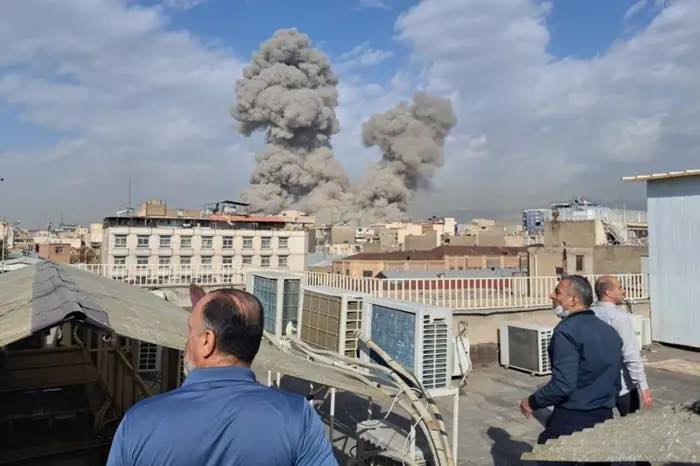
President Donald Trump’s decision to launch “massive and ongoing” strikes on Iran came after weeks of careful planning, risk assessment, and coordination with Israeli officials. Here’s what we know about how the operation was prepared:
Weeks of Internal Deliberation
Trump reportedly spent weeks reviewing intelligence reports and weighing options before authorizing military action. Advisors from the Pentagon and the National Security Council helped assess Iran’s capabilities and anticipate possible responses.
Coordination With Israel
The U.S. worked closely with Israel to identify critical targets and align strategy. Israeli intelligence reportedly guided U.S. forces toward missile sites, naval assets, and regional proxy threats that posed risks to both nations.
Risk Assessment
Officials calculated the potential risks, including American casualties, retaliation, and geopolitical fallout. Contingency plans were prepared to address worst-case scenarios, while legal authorization for strikes was carefully reviewed.
Target Selection and Timing
Military planners identified specific Iranian assets to hit and timed the strikes for maximum effectiveness while minimizing civilian casualties and U.S. exposure. The coordination ensured both precision and rapid execution.
Diplomatic Considerations
While the operation moved forward, the administration kept diplomatic channels open. Backchannel talks and consultations with regional allies were conducted, but the failure of previous negotiations left military action as the chosen path.
Execution and Public Announcement
Once the plan was set, the operation began, and Trump publicly announced it as “massive and ongoing,” acknowledging that U.S. service members could face danger while stressing the necessity of the campaign.
This detailed planning highlights the deliberate and strategic approach taken by U.S. and Israeli officials, balancing risk, intelligence, and regional dynamics in one of the most significant escalations in recent years.