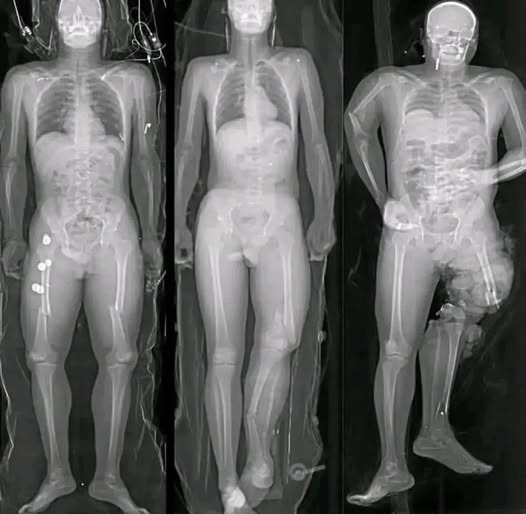
Over the past several months, a familiar pattern has re-emerged across social media platforms. Short, emotionally charged messages paired with striking visuals have once again captured widespread attention. Many of these posts begin with phrases such as, “If you received the COVID vaccine, you need to know this,” immediately signaling urgency and concern. The images that accompany these messages are often dramatic—most notably depictions of syringes positioned near or pointed directly at the human heart.
While these visuals are powerful, they are rarely supported by detailed medical explanation or reliable sourcing. Instead, they rely on emotional impact, ambiguity, and fear to encourage rapid sharing. For individuals who lived through years of uncertainty during the global pandemic, such messages can easily reopen unresolved worries about health, safety, and long-term consequences.
Understanding what is supported by scientific evidence—and what is not—is essential in today’s digital environment. With misinformation able to travel faster than ever before, learning how to assess viral health claims has become an important life skill, not just a medical concern.
Why Fear-Driven Health Messages Spread So Easily
The effectiveness of viral vaccine-related content lies largely in how it is designed. Images that imply immediate danger trigger instinctive emotional responses before logic has time to intervene. A syringe near the heart instantly suggests threat, regardless of whether the implication is medically accurate.
Psychologists and media analysts have long observed that fear-based messaging spreads more rapidly than calm, fact-driven communication. On algorithm-driven platforms, engagement often matters more than accuracy. Posts that provoke strong reactions—shock, anger, or anxiety—are more likely to be shared, commented on, and promoted by automated systems.
Another reason these messages gain traction is their use of real medical terminology without adequate explanation. Terms like “myocarditis,” “heart inflammation,” or “cardiac damage” are mentioned without context, scale, or comparison. This selective use of information can make rare medical outcomes appear common, creating a distorted perception of risk.
The Lingering Impact of Pandemic Anxiety
Even though much of the world has moved beyond lockdowns and emergency restrictions, the emotional effects of the pandemic have not disappeared. For many people, the experience of constant health alerts, changing guidelines, and conflicting opinions created a lasting sense of uncertainty.
Viral vaccine warnings tap directly into this unresolved anxiety. They often suggest that critical information has been hidden or ignored, implying that viewers are being exposed to a truth others don’t want them to see. This framing is particularly effective in environments where trust in institutions has weakened.
In such conditions, emotionally compelling narratives can feel more convincing than carefully worded scientific data, even when those narratives lack evidence.
What Medical Research Says About COVID Vaccines
COVID-19 vaccines are among the most widely studied medical interventions in modern history. Before authorization, they underwent extensive clinical trials involving tens of thousands of participants. Since then, they have been administered billions of times worldwide, providing an unprecedented volume of real-world safety data.
International health organizations and national public health agencies continue to monitor vaccine outcomes through surveillance systems designed to detect even rare side effects. This ongoing monitoring allows recommendations to be adjusted as new evidence emerges.
The broad scientific consensus remains consistent: COVID vaccines significantly reduce the risk of severe illness, hospitalization, and death, particularly among older adults and individuals with underlying health conditions. In many regions, vaccination played a major role in preventing healthcare systems from becoming overwhelmed during peak infection periods.
Common Side Effects and What They Mean
Most vaccine recipients experience mild and temporary reactions. These commonly include:
Soreness or swelling at the injection site
Fatigue
Headache
Muscle aches
Low-grade fever
These effects are generally short-lived and are considered normal signs that the immune system is responding to the vaccine. Such reactions are not unique to COVID vaccines and occur with many routine immunizations.
Serious adverse effects are carefully tracked, but they occur at very low rates. When identified, health authorities issue updated guidance to ensure that benefits continue to outweigh risks for the population as a whole.
Understanding Heart-Related Concerns in Context
One of the most persistent claims in viral posts is that COVID vaccines pose a widespread threat to heart health. This claim often references myocarditis, a medical condition involving inflammation of the heart muscle.
Research has identified a small number of myocarditis cases following certain mRNA vaccines, primarily among adolescent and young adult males. However, it is crucial to understand the broader context.
These cases are rare, typically mild, and most individuals recover fully with minimal medical intervention. Follow-up studies show favorable outcomes in the vast majority of reported cases.
Importantly, multiple large-scale studies have demonstrated that COVID-19 infection itself carries a significantly higher risk of heart-related complications than vaccination. The virus has been associated with inflammation, blood clotting disorders, and longer-term cardiovascular effects, even in individuals without prior heart conditions.
When risks are compared objectively, vaccination reduces overall cardiovascular risk rather than increasing it.
Why Misinformation Continues Despite Scientific Evidence
The persistence of vaccine misinformation cannot be explained by a lack of data. Instead, it reflects how humans process information.
Fear spreads more easily than reassurance. Scientific explanations rely on probabilities, comparisons, and uncertainty, which can feel less emotionally satisfying than definitive statements—even when those statements are misleading.
Distrust also plays a significant role. Conflicting messages during the pandemic, combined with political polarization, weakened confidence in institutions for some individuals. This environment makes alternative narratives more appealing, particularly those that frame themselves as challenging authority.Why Fear-Driven Health Messages Spread So Easily
The effectiveness of viral vaccine-related content lies largely in how it is designed. Images that imply immediate danger trigger instinctive emotional responses before logic has time to intervene. A syringe near the heart instantly suggests threat, regardless of whether the implication is medically accurate.
Psychologists and media analysts have long observed that fear-based messaging spreads more rapidly than calm, fact-driven communication. On algorithm-driven platforms, engagement often matters more than accuracy. Posts that provoke strong reactions—shock, anger, or anxiety—are more likely to be shared, commented on, and promoted by automated systems.
Another reason these messages gain traction is their use of real medical terminology without adequate explanation. Terms like “myocarditis,” “heart inflammation,” or “cardiac damage” are mentioned without context, scale, or comparison. This selective use of information can make rare medical outcomes appear common, creating a distorted perception of risk.
The Lingering Impact of Pandemic Anxiety
Even though much of the world has moved beyond lockdowns and emergency restrictions, the emotional effects of the pandemic have not disappeared. For many people, the experience of constant health alerts, changing guidelines, and conflicting opinions created a lasting sense of uncertainty.
Viral vaccine warnings tap directly into this unresolved anxiety. They often suggest that critical information has been hidden or ignored, implying that viewers are being exposed to a truth others don’t want them to see. This framing is particularly effective in environments where trust in institutions has weakened.
In such conditions, emotionally compelling narratives can feel more convincing than carefully worded scientific data, even when those narratives lack evidence.
What Medical Research Says About COVID Vaccines
COVID-19 vaccines are among the most widely studied medical interventions in modern history. Before authorization, they underwent extensive clinical trials involving tens of thousands of participants. Since then, they have been administered billions of times worldwide, providing an unprecedented volume of real-world safety data.
International health organizations and national public health agencies continue to monitor vaccine outcomes through surveillance systems designed to detect even rare side effects. This ongoing monitoring allows recommendations to be adjusted as new evidence emerges.
The broad scientific consensus remains consistent: COVID vaccines significantly reduce the risk of severe illness, hospitalization, and death, particularly among older adults and individuals with underlying health conditions. In many regions, vaccination played a major role in preventing healthcare systems from becoming overwhelmed during peak infection periods.
Common Side Effects and What They Mean
Most vaccine recipients experience mild and temporary reactions. These commonly include:
Soreness or swelling at the injection site
Fatigue
Headache
Muscle aches
Low-grade fever
These effects are generally short-lived and are considered normal signs that the immune system is responding to the vaccine. Such reactions are not unique to COVID vaccines and occur with many routine immunizations.
Serious adverse effects are carefully tracked, but they occur at very low rates. When identified, health authorities issue updated guidance to ensure that benefits continue to outweigh risks for the population as a whole.
Understanding Heart-Related Concerns in Context
One of the most persistent claims in viral posts is that COVID vaccines pose a widespread threat to heart health. This claim often references myocarditis, a medical condition involving inflammation of the heart muscle.
Research has identified a small number of myocarditis cases following certain mRNA vaccines, primarily among adolescent and young adult males. However, it is crucial to understand the broader context.
These cases are rare, typically mild, and most individuals recover fully with minimal medical intervention. Follow-up studies show favorable outcomes in the vast majority of reported cases.
Importantly, multiple large-scale studies have demonstrated that COVID-19 infection itself carries a significantly higher risk of heart-related complications than vaccination. The virus has been associated with inflammation, blood clotting disorders, and longer-term cardiovascular effects, even in individuals without prior heart conditions.
When risks are compared objectively, vaccination reduces overall cardiovascular risk rather than increasing it.
Why Misinformation Continues Despite Scientific Evidence
The persistence of vaccine misinformation cannot be explained by a lack of data. Instead, it reflects how humans process information.
Fear spreads more easily than reassurance. Scientific explanations rely on probabilities, comparisons, and uncertainty, which can feel less emotionally satisfying than definitive statements—even when those statements are misleading.
Distrust also plays a significant role. Conflicting messages during the pandemic, combined with political polarization, weakened confidence in institutions for some individuals. This environment makes alternative narratives more appealing, particularly those that frame themselves as challenging authority.
Confirmation bias further reinforces misinformation. People are more likely to accept information that aligns with existing fears or beliefs, even if the information lacks reliable support.
What to Do If You Have Already Been Vaccinated
For individuals who have received one or more COVID vaccine doses, current medical guidance remains straightforward and consistent.
First, monitor your health calmly and realistically. Mild, short-term symptoms are common and expected. If you experience persistent or unusual symptoms—such as ongoing chest discomfort, shortness of breath, or irregular heart rhythms—it is appropriate to seek medical evaluation. These recommendations are standard for general health concerns and are not unique to vaccination.
Second, focus on overall wellness. Long-term heart health is influenced far more by lifestyle factors than by exposure to online content. Regular physical activity, balanced nutrition, adequate sleep, stress management, and routine medical checkups all play essential roles in maintaining cardiovascular health.
Third, avoid making health decisions based on fear-driven online material. Viral posts are often designed to provoke emotional responses rather than provide balanced information.
How to Critically Evaluate Viral Health Claims
When encountering alarming health-related content online, a moment of reflection can make a significant difference.
Consider the source. Is the information coming from a recognized health organization, medical professional, or established news outlet? Or does it originate from an anonymous account with no credentials or citations?
Examine whether evidence is provided. Legitimate health guidance references peer-reviewed studies, official statements, or transparent data sources. Vague warnings and dramatic images without supporting details should be approached cautiously.
Assess proportionality. Does the message explain how likely a risk is, or does it simply suggest danger without context? Credible medical communication discusses frequency, comparison, and scale.
Finally, look for confirmation across multiple independent sources. One viral post does not outweigh years of accumulated scientific research.
The Importance of Responsible Health Communication
Public health experts consistently emphasize the need for clear, balanced, and responsible communication—especially during and after global crises. Oversimplified or sensational messaging, regardless of intent, can undermine trust and increase confusion.
Responsible communication acknowledges both benefits and risks, presenting them in context rather than exaggerating one side. It also recognizes that scientific understanding evolves over time, and updates to recommendations reflect improved knowledge, not failure.
This approach fosters informed decision-making rather than emotional reaction.
A Broader Lesson About Digital Information Culture
The spread of vaccine-related misinformation highlights a larger trend in modern media. Visual shock often replaces explanation, and emotional impact frequently outweighs accuracy.
Learning to recognize this pattern is essential for navigating today’s information landscape. Health decisions affect individuals, families, and communities, making critical thinking not just beneficial but necessary.
Developing media literacy—understanding how content is designed to influence perception—is a form of self-protection in an age of constant digital exposure.
Conclusion
COVID vaccines remain among the most closely examined medical tools ever developed. The overwhelming body of evidence shows that they are safe, effective, and far less risky than the disease they were designed to prevent.
Viral images and fear-driven messages rely on emotional manipulation rather than verified facts. While they may appear convincing at first glance, they do not reflect the full scope of scientific knowledge.
Before reacting to alarming online content, seek information from qualified medical professionals and trusted health organizations. In an era of endless information, discernment is one of the most valuable tools for protecting both physical and mental well-being.
Clear understanding—not panic—should guide health decisions.