The fatal shooting of Renee Nicole Good has sent shockwaves across the United States, rapidly becoming one of the most contentious and emotionally charged.
Incidents in the ongoing national debate over immigration enforcement, law enforcement accountability, and political responsibility.
The incident occurred on Wednesday morning, January 7, in Minneapolis, Minnesota, during what federal authorities described as a targeted Immigration and Customs Enforcement (ICE) operation. Within hours, video footage from the scene began circulating widely on social media platforms, igniting public outrage, political division, and widespread protests.
What made the situation escalate so quickly was not only the death itself, but the combination of graphic visual evidence, conflicting official narratives, and high-profile political reactions that followed almost immediately.
The Incident as Captured on Video
According to publicly available footage, federal officers are seen approaching a vehicle driven by a woman later identified as Renee Nicole Good, a 37-year-old resident of the Twin Cities area. The video appears to show one officer attempting to open the vehicle’s door as the car begins to move. Moments later, a second officer fires his weapon.
The vehicle then continues forward before colliding with a parked car several yards away. Emergency responders arrive shortly thereafter. Renee Nicole Good was later pronounced dead from her injuries.
Authorities have confirmed that the shooting is under active investigation, and multiple agencies are reviewing both the video evidence and officer conduct. As with many high-profile law enforcement cases, officials have emphasized that conclusions should not be drawn until the investigation is complete.
Who Was Renee Nicole Good?
Renee Nicole Good was identified by her mother, Donna Ganger, who spoke publicly after being notified of her daughter’s death later that same morning. According to statements given to the Minnesota Star Tribune, Renee lived near the area where the incident occurred and was only a few blocks from her home at the time.
Her mother described her not as a political activist or protester, but as a deeply compassionate person who dedicated much of her life to caring for others.
“She was probably terrified,” Ganger said after learning preliminary details of the incident. She emphasized that her daughter had no involvement in anti-ICE demonstrations, countering early online speculation.
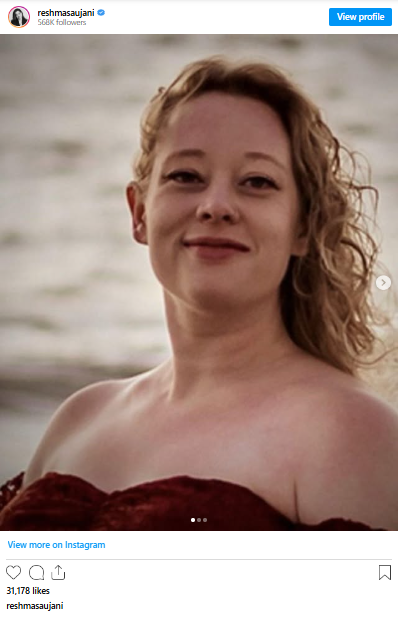
Renee, according to her family, was known for her kindness, emotional openness, and willingness to help others. Friends and relatives described her as loving, forgiving, and gentle — a portrayal that has sharply contrasted with some of the characterizations that emerged later in political discourse.
Public Reaction and Immediate Outrage
As the footage spread online, reactions were swift and intense. Protests erupted in Minneapolis and other cities, with demonstrators calling for accountability and demanding answers from federal authorities.
Many critics questioned whether lethal force was justified, particularly given the brief and chaotic nature of the encounter.
Civil rights advocates and legal analysts pointed out that video evidence often becomes central in determining whether law enforcement actions align with established use-of-force standards.
The emotional response was amplified by the visibility of the footage itself. Unlike written reports or official summaries, video invites the public to form immediate judgments — sometimes before all facts are known.
Democratic Leaders Condemn the Shooting
Several prominent Democratic lawmakers publicly condemned the incident, using unusually strong language.
Representative Alexandria Ocasio-Cortez characterized the killing as a “public murder,” stating that what viewers saw in the video represented a profound failure of restraint and accountability. She described the incident as emblematic of broader fears surrounding aggressive enforcement tactics and civilian safety.