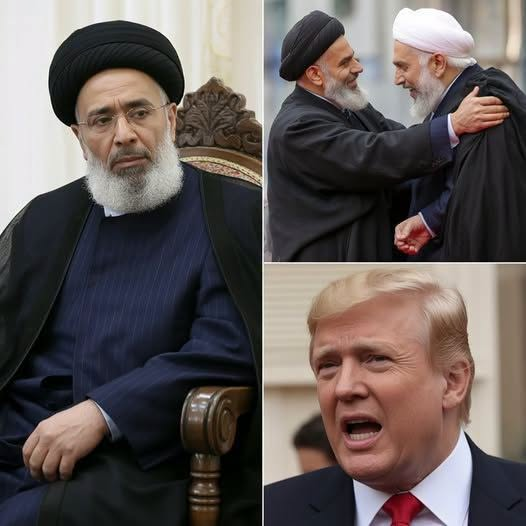
The first explosions shattered more than buildings. They also shattered the belief that the conflict could still be contained. As reports emerged of coordinated strikes by the United States and Israel against targets inside Iran, the world watched a dangerous new chapter unfold. What had once been a tense regional standoff suddenly appeared to be evolving into a direct confrontation with potentially global consequences.
Inside Tehran, military commanders reportedly rushed to assess the scale of the damage and determine the next steps. Across the region, governments reacted cautiously, aware that a single miscalculation could trigger a chain reaction far beyond the borders of any one nation. Global financial markets immediately reflected the uncertainty, with investors closely monitoring developments and preparing for possible economic disruptions.
One question quickly spread across governments, military headquarters, and households alike: would this escalation trigger a wider war?
According to reports, the strikes were part of an operation referred to as Operation Epic Fury, described by U.S. and Israeli officials as a major effort to weaken Iran’s military and nuclear capabilities. Officials from both countries argued that the operation focused on infrastructure they believed posed a significant security threat. They stated that the mission was intended to disrupt military systems, degrade strategic capabilities, and prevent future attacks against their interests and allies.
Military analysts noted that the operation appeared highly coordinated, involving advanced intelligence gathering and precision targeting. The reported targets included military compounds, air-defense installations, communication centers, and facilities allegedly connected to Iran’s strategic programs. If accurate, such strikes would represent one of the most significant direct actions against Iranian military infrastructure in recent years.
As news of the operation spread, images and videos circulating online appeared to show damaged facilities, smoke rising from several locations, and debris scattered across military sites. While independent verification of all footage remained difficult, the visuals contributed to a growing sense that the confrontation had entered a far more dangerous phase.
Iranian state media offered a different perspective, claiming that portions of the attack had been intercepted by the country’s air-defense systems. Officials emphasized what they described as the resilience of Iran’s military capabilities and insisted that key strategic assets remained operational. Nevertheless, the tone of official statements quickly hardened.
Iranian leaders responded with strong language, promising what they called “devastating revenge.” Senior officials warned that those responsible would face consequences and declared that Iran reserved the right to respond at a time and place of its choosing. Such statements immediately raised fears that retaliation could extend beyond direct military targets and potentially involve regional allies and proxy groups.
Security experts pointed out that any major Iranian response could dramatically widen the conflict. The Middle East contains numerous flashpoints where tensions could rapidly intensify. Military installations, shipping routes, energy infrastructure, and strategic waterways all represent potential areas of concern. Even a limited exchange of attacks could have consequences far beyond the immediate participants.
Behind the scenes, diplomats from Europe and other regions quickly began urging restraint. Several governments issued statements emphasizing the need for de-escalation and warning that further military action could destabilize the entire region. Emergency consultations reportedly took place among key allies, while international organizations called for renewed diplomatic engagement.
The concern was not limited to military and political leaders. Economic analysts warned that prolonged instability could affect global energy markets, trade routes, and investment confidence. The Middle East remains a critical hub for global oil and gas supplies, and any threat to production or transportation could have worldwide economic implications.
Meanwhile, ordinary families in cities such as Tehran and Tel Aviv waited anxiously for updates. Many remained glued to television broadcasts, social media feeds, and emergency alerts. Parents checked on relatives, businesses reviewed contingency plans, and communities prepared for the possibility that the situation could deteriorate further.
For many civilians, the uncertainty was perhaps the most frightening aspect of all. No one knew whether the night’s explosions would remain an isolated event or mark the beginning of a much larger conflict. Sirens, military movements, and official statements created an atmosphere of tension that extended far beyond the battlefield.
As the world watches developments unfold, one reality has become increasingly clear: the stakes are extraordinarily high. Every statement, every military movement, and every diplomatic effort now carries added significance. Whether leaders choose a path of escalation or restraint may determine not only the future of the immediate confrontation but also the stability of an entire region.
In the coming days, attention will remain fixed on Tehran, Washington, Jerusalem, and other key capitals. The choices made there could shape the next chapter of one of the most dangerous geopolitical crises in recent memory. For now, the world waits, hoping that diplomacy can prevent further violence and that the explosions that echoed across the night do not become the opening sounds of a much broader war.