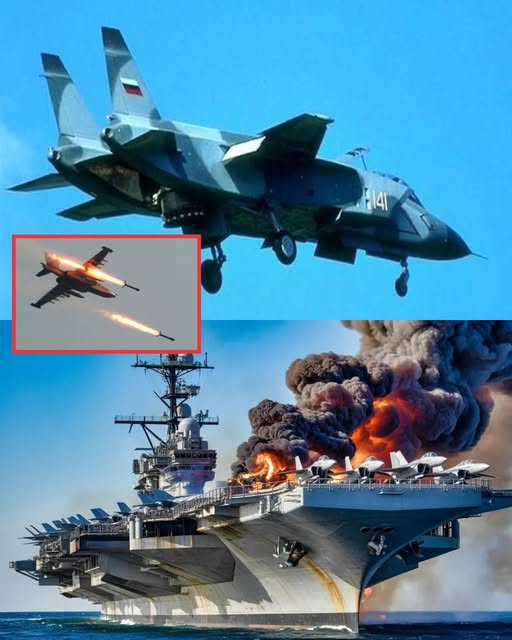
Reports circulating online about a possible military conflict between the United States and Iran, along with dramatic claims that an Lockheed Martin F-35 Lightning II fighter jet has been struck and forced to land, should be approached with considerable caution. At the present time, there is no confirmed evidence from major independent international news organizations indicating that the United States and Iran are engaged in a formally declared war in 2026. Likewise, there is no verified confirmation from credible defense sources showing that an F-35 aircraft has been successfully hit by Iranian military fire.
Stories involving military escalation tend to spread extremely quickly online, particularly when tensions already exist between countries with a long and complicated history. In situations involving geopolitics, national security, and armed conflict, rumors often move faster than verified facts. A single post, edited video, or unconfirmed claim can gain millions of views within hours, creating confusion long before official information becomes available.
That is why distinguishing between speculation and substantiated reporting is critically important.
Modern information environments operate at extraordinary speed. Social media platforms allow eyewitness accounts, leaked footage, political commentary, and unverified rumors to circulate globally almost instantly. During periods of international tension, audiences are naturally drawn toward dramatic developments, especially stories involving advanced military technology or the possibility of large-scale conflict. As a result, sensational claims often gain traction before journalists or officials have enough time to confirm details independently.
The F-35 itself is one of the most advanced and recognizable fighter aircraft in the world, making it a particularly powerful subject for viral speculation. Developed by Lockheed Martin, the aircraft is known for its stealth capabilities, advanced sensors, and role in modern military operations. Because of its reputation and strategic importance, any alleged incident involving an F-35 would immediately attract enormous international attention.
If a confirmed attack on such an aircraft had actually occurred during direct confrontation with Iran, it would almost certainly be reported rapidly by multiple major news organizations, defense analysts, government officials, and international monitoring agencies. Events involving advanced military assets rarely remain hidden for long, especially in an era dominated by satellite imagery, digital intelligence, and global media networks.
Historically, relations between the United States and Iran have been tense for decades. The two nations have experienced repeated political disagreements, economic sanctions, proxy conflicts, cyber disputes, and military incidents in different parts of the Middle East. These confrontations have occasionally brought both countries close to escalation, but direct large-scale war has consistently been avoided despite periods of intense hostility.
This history helps explain why online rumors about conflict between the two countries spread so easily. Many people already understand that tensions exist, so dramatic claims can appear believable at first glance, especially when presented alongside emotional language, military footage, or urgent headlines.
However, context matters greatly.
Not every military movement, regional incident, or online claim signals the beginning of full-scale war. Governments regularly conduct military exercises, reposition forces, issue warnings, and engage in strategic messaging without crossing into direct armed conflict. During tense periods, misinformation can thrive because audiences are emotionally primed to expect dramatic developments.
In recent years, analysts have repeatedly warned about the growing challenge of misinformation during international crises. False or exaggerated reports can influence public perception, financial markets, diplomatic reactions, and even political decision-making. In some cases, misleading content spreads unintentionally through confusion and incomplete reporting. In other situations, misinformation may be deliberately amplified for political influence, propaganda purposes, or social media engagement.
Videos are particularly difficult to evaluate during fast-moving events. Clips from previous conflicts are sometimes reposted with false captions, old footage may be presented as new, and edited material can create misleading impressions about military activity. Artificial intelligence and digital manipulation tools have also increased concerns about fabricated media appearing increasingly realistic.
This is why responsible verification remains essential.
Reliable journalism typically relies on multiple independent confirmations before publishing major claims involving military operations or combat losses. Defense reporters often consult satellite imagery, intelligence assessments, government briefings, eyewitness testimony, and expert analysis before concluding that a significant event has occurred.
Official statements also play an important role. In incidents involving military aircraft, governments usually issue responses relatively quickly because silence can fuel speculation and uncertainty. While official information is not always complete immediately, major confrontations generally produce clear diplomatic and military reactions visible to the international community.
If a direct military engagement between the United States and Iran were truly underway, the consequences would likely extend far beyond the region itself. Oil prices could surge sharply, global markets would react, embassies might issue emergency advisories, and allied nations would likely increase military readiness. International organizations such as the United Nations would almost certainly convene urgent discussions.
The Middle East occupies enormous strategic importance within global energy markets and international security frameworks. Because of this, any escalation involving Iran and the United States would attract immediate worldwide attention from governments, military alliances, intelligence agencies, and economic institutions.
For ordinary individuals following such developments online, several practical habits can help reduce the risk of being misled.
One of the most important steps is relying on reputable news organizations with established editorial standards. Professional journalism organizations generally verify information more carefully before publishing sensitive reports involving war or military operations. While no outlet is perfect, established international media typically provide more reliable reporting than anonymous social media accounts or sensational websites.
Comparing multiple independent sources is equally important. If a major event is genuine, several credible outlets from different countries will usually report consistent information. When only isolated or highly partisan accounts promote dramatic claims without wider confirmation, skepticism is often justified.
People should also avoid sharing unverified rumors impulsively. Even well-intentioned reposting can contribute to panic, confusion, and misinformation. During geopolitical crises, false reports can spread rapidly enough to influence public behavior before corrections ever reach the same audience.
Understanding the broader history of U.S.–Iran tensions can also provide valuable perspective. The relationship between the two countries has involved decades of political disputes, sanctions, regional competition, and indirect confrontation. Because these tensions are longstanding, periods of heightened rhetoric often produce speculation about possible conflict.
Yet despite repeated crises, both sides have historically shown awareness of the enormous risks associated with direct war. Large-scale military confrontation would carry severe consequences not only for the countries involved but for the wider international system as well.
Ultimately, caution and critical thinking remain essential when evaluating dramatic online claims involving military conflict. In the digital era, speed often overwhelms accuracy, and emotionally charged narratives can spread globally within minutes. While vigilance and awareness are important, verified evidence should always take priority over speculation.
Until substantial confirmation emerges from multiple credible and independent sources, reports about direct war between the United States and Iran—or claims involving a downed F-35 fighter jet—should be treated carefully rather than accepted immediately as established fact.