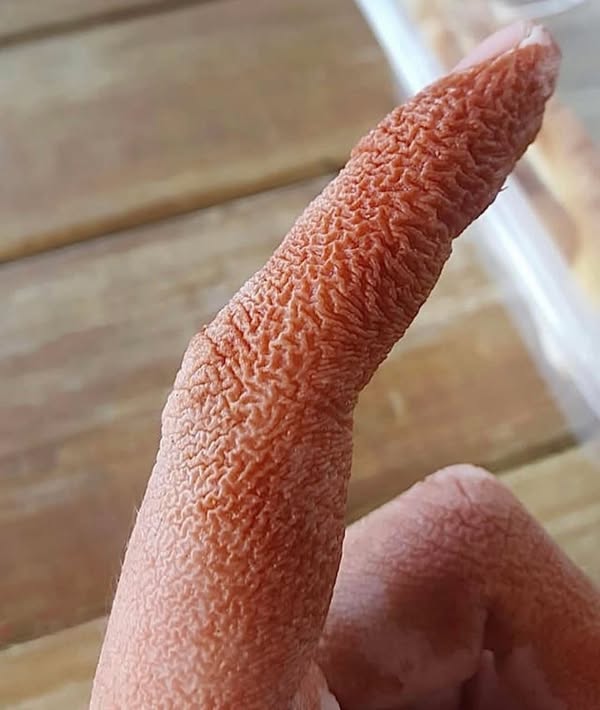
A Rare Reaction: When an Inhaler Triggers Sweet syndrome
What began as a routine adjustment in a patient’s treatment for Chronic Obstructive Pulmonary Disease quickly evolved into a puzzling and instructive medical case. Within just 48 hours of switching to a new inhaler, a 55-year-old woman developed painful, bright red patches across her face and neck, accompanied by a mild fever. What initially appeared to be a dermatological reaction turned out to be something far more unusual: a diagnosis of Sweet syndrome, a rare immune-mediated skin condition.
This case is particularly significant because it may represent one of the first documented instances where an inhaled medication is linked to triggering this disorder—raising new questions about how even commonly prescribed treatments can sometimes produce unexpected systemic effects.
A Routine Change With Unexpected Consequences
The patient had a well-documented medical history, including hypertension and COPD. For years, her condition had been stable with the use of medications such as enalapril and a maintenance inhaler containing formoterol. However, due to a gradual decline in lung function, her pulmonologist decided to modify her treatment plan.
She was prescribed a newer inhaler combining indacaterol and glycopyrronium—a therapy designed to improve airflow and reduce COPD symptoms.
At first glance, this change was entirely routine. Such combinations are widely used and generally well tolerated. But within two days of starting the new inhaler, the patient noticed something alarming.
The Onset of Symptoms
Painful, erythematous (red and inflamed) plaques began to appear across her face and neck. The lesions were not only visually striking but also intensely uncomfortable. Alongside these skin changes, she experienced a low-grade fever, adding to the clinical concern.
Importantly, she reported no recent changes in skincare products, diet, or lifestyle that could easily explain the reaction. She had not experienced any recent infections or cold symptoms, and although she had been exposed to sunlight, she had taken appropriate protective measures.
The sudden onset and severity of the symptoms prompted an urgent referral to dermatology.
Investigating the Cause
At this stage, the medical team needed to consider a wide range of possible diagnoses. Conditions such as allergic contact dermatitis, urticaria, and autoimmune disorders like lupus were all part of the differential diagnosis.
The first step was to discontinue the newly introduced inhaler, removing the most likely potential trigger. Blood tests were conducted to rule out infections and to check for markers of autoimmune disease. These results came back largely unremarkable, deepening the mystery.
A skin biopsy was then performed.
The results provided a definitive answer: Sweet syndrome.
Understanding Sweet Syndrome
Sweet syndrome is a rare inflammatory condition characterized by the sudden appearance of painful, red papules or plaques. These lesions often appear asymmetrically and most commonly affect the face, neck, upper torso, and hands.
In addition to skin manifestations, patients frequently experience systemic symptoms such as fever and elevated white blood cell counts, particularly neutrophils. The condition is sometimes referred to as acute febrile neutrophilic dermatosis due to these features.
The exact cause of Sweet syndrome is not fully understood, but it is believed to involve an abnormal immune response driven by cytokines—molecules that regulate inflammation. In many cases, it is associated with underlying triggers such as infections, malignancies, or medications.
A Rare Medication-Linked Trigger
Drug-induced Sweet syndrome is a recognized but uncommon phenomenon. Various medications—including certain antibiotics, antiepileptic drugs, and even some vaccines—have been linked to triggering the condition.
What makes this case particularly noteworthy is the suspected role of an inhaled therapy. Until now, inhalers have not been widely documented as a cause of Sweet syndrome. This raises important questions about how medications delivered through the lungs might still influence systemic immune responses.
Although inhaled drugs are generally designed to act locally within the respiratory system, small amounts can enter the bloodstream. In rare cases, this may be enough to trigger an immune-mediated reaction in susceptible individuals.
Treatment and Recovery
Once the diagnosis was confirmed, the patient was started on oral corticosteroids—a standard and highly effective treatment for Sweet syndrome. Corticosteroids work by suppressing the inflammatory response, providing rapid relief from both skin and systemic symptoms.
The response was dramatic.
Within just two days, the patient experienced significant improvement. The redness and pain subsided, and her fever resolved. This rapid recovery further supported the diagnosis, as Sweet syndrome is known for its quick response to steroid therapy.
Why This Case Matters
This case highlights several important lessons for both clinicians and patients.
First, it underscores the need for vigilance when introducing new medications—even those that are commonly used and generally considered safe. While rare, unexpected reactions can occur, and early recognition is key to preventing complications.
Second, it demonstrates the importance of considering less common diagnoses when symptoms do not fit typical patterns. Sweet syndrome is often overlooked in initial evaluations because of its rarity and its resemblance to more common skin conditions.
Third, it reinforces the critical role of primary care providers and specialists in working together. Prompt referral to dermatology, combined with appropriate diagnostic testing, allowed for a timely and accurate diagnosis.
Broader Implications for Medical Practice
As medicine continues to evolve, new therapies are constantly being introduced. While these advancements improve patient outcomes, they also bring new challenges in understanding potential side effects.
Cases like this expand medical knowledge and contribute to better diagnostic awareness. Recognizing that inhaled medications could, in rare instances, trigger systemic immune responses may influence future research and clinical guidelines.
It also highlights the importance of patient communication. Encouraging patients to report new or unusual symptoms promptly can make a significant difference in outcomes.
Conclusion
What started as a routine inhaler adjustment became a rare and insightful medical case. The development of Sweet syndrome following the use of a new inhaled therapy challenges existing assumptions and broadens our understanding of drug-related immune reactions.
For clinicians, the message is clear: remain alert to unexpected presentations, especially after medication changes. For patients, it serves as a reminder to pay attention to new symptoms and seek medical advice when something feels unusual.
In the delicate balance of modern medicine, even familiar treatments can carry hidden complexities. Recognizing them early can lead to faster diagnosis, effective treatment, and ultimately, better patient care.