Cervical cancer is one of the most common cancers affecting women worldwide, yet it is also one of the most preventable. According to the World Health Organization (WHO), approximately 600,000 women are diagnosed with cervical cancer each year, and over 340,000 lose their lives to it. The encouraging news is that with proper education, regular screening, and an understanding of the key risk factors, women can take meaningful steps to protect their health.
This article provides an in-depth look at what cervical cancer is, how it develops, who is most at risk, and — critically — how certain lifestyle and behavioral patterns can either increase or reduce that risk. We will also explore the connection between sexual behavior patterns and cervical cancer risk, a topic that is backed by decades of medical research and is essential for women to understand.
What Is Cervical Cancer?
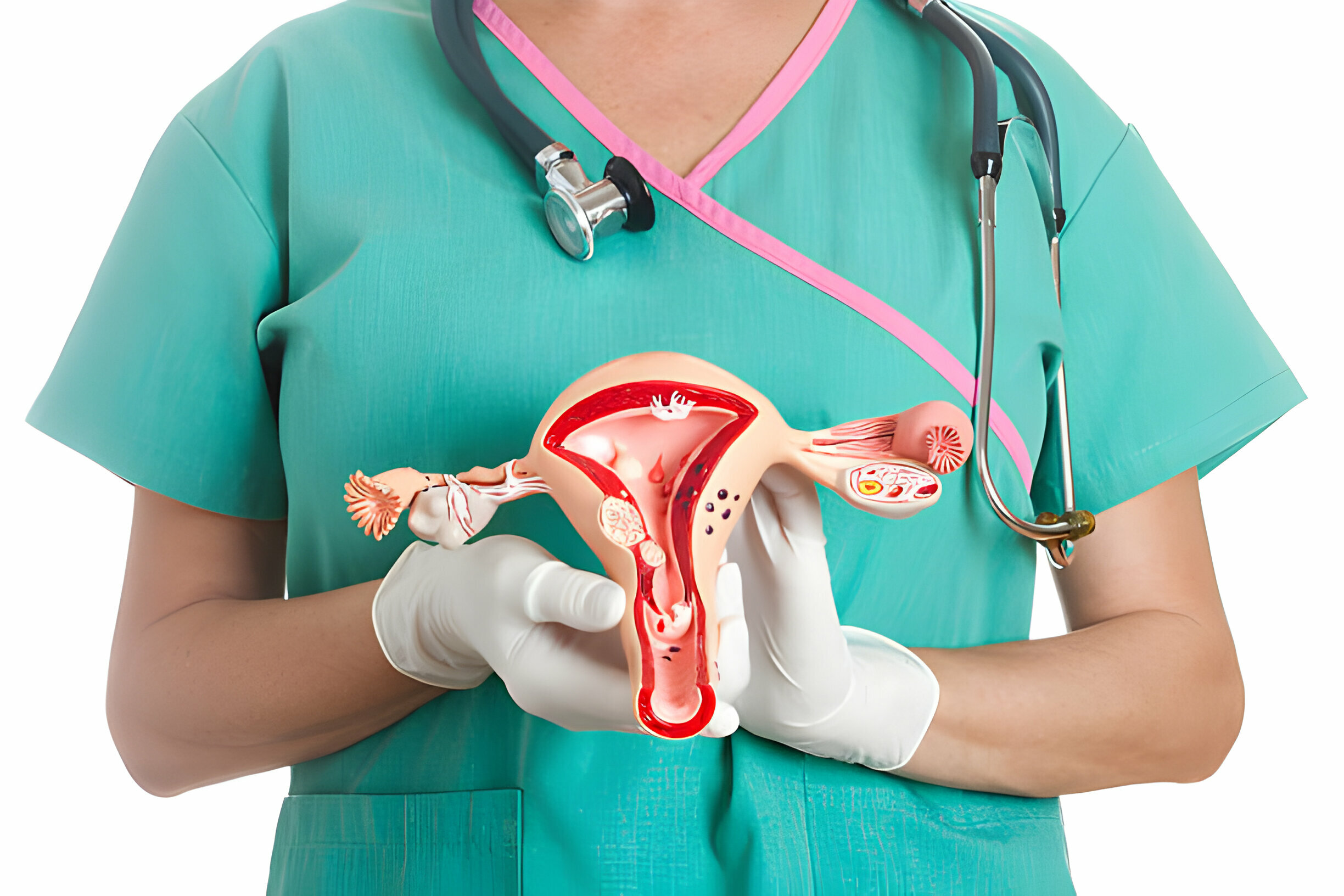
Cervical cancer originates in the cells of the cervix, which is the lower, narrow portion of the uterus that connects to the vagina. Most cervical cancers begin in the transformation zone — the area where the cervix transitions between two types of cells: squamous cells (flat cells lining the ectocervix) and glandular cells (column-shaped cells lining the endocervix).
The two main types of cervical cancer are squamous cell carcinoma, accounting for about 70–90% of all cases, and adenocarcinoma, which develops from the glandular cells. In rare cases, both types may be present simultaneously. Cervical cancer is usually slow-growing, taking years to develop from precancerous lesions into full-blown cancer — which is exactly why early screening is so powerful.
The Root Cause: Human Papillomavirus (HPV)
Virtually all cases of cervical cancer — more than 99% — are linked to persistent infection with high-risk strains of Human Papillomavirus (HPV). HPV is the most common sexually transmitted infection in the world; most sexually active individuals will be exposed to it at some point in their lives. In the majority of cases, the immune system clears the virus naturally within one to two years without causing any harm.
However, when a high-risk HPV strain — particularly HPV-16 or HPV-18 — persists in the body, it can cause changes in cervical cells over time, eventually leading to precancerous conditions and, if untreated, invasive cancer. There are more than 200 types of HPV, of which about 14 are considered high-risk. Understanding how HPV is transmitted is fundamental to understanding cervical cancer risk.
Key Risk Factors for Cervical Cancer