In a dramatic and deeply concerning escalation of tensions in the Middle East, Iran has reportedly launched a series of ballistic missile strikes targeting Tel Aviv, Israel’s economic and cultural hub. The attack, which occurred just minutes before initial reports began circulating, marks one of the most serious direct confrontations between the two regional powers in recent years.
According to early information released by Israeli defense officials, multiple missiles were detected entering Israeli airspace, triggering immediate nationwide alerts and activating advanced missile defense systems. Sirens blared across central Israel as residents rushed to shelters in a matter of seconds. Despite interception efforts, several projectiles are believed to have struck populated or strategic areas, resulting in visible explosions and flashes lighting up the night sky over Tel Aviv.
Iranian state sources have claimed responsibility for the attack, stating it was a direct retaliation for the recent assassination of a high-ranking Iranian security official. That incident, widely attributed to Israeli intelligence operations, had already intensified hostilities and raised fears of a broader regional conflict. Tehran described the missile strikes as a “measured but decisive response,” signaling that it views the situation as part of an ongoing confrontation rather than an isolated event.
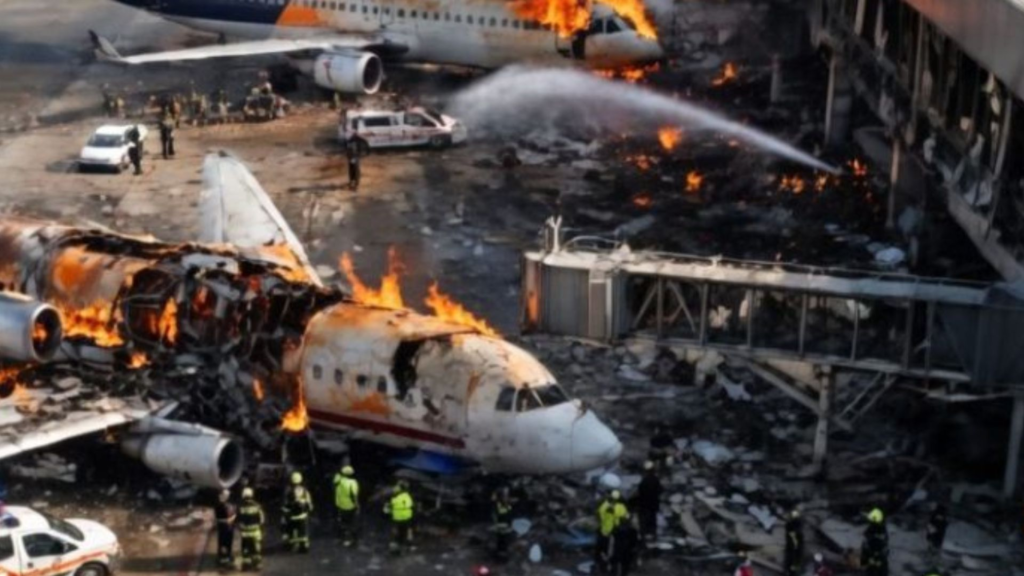
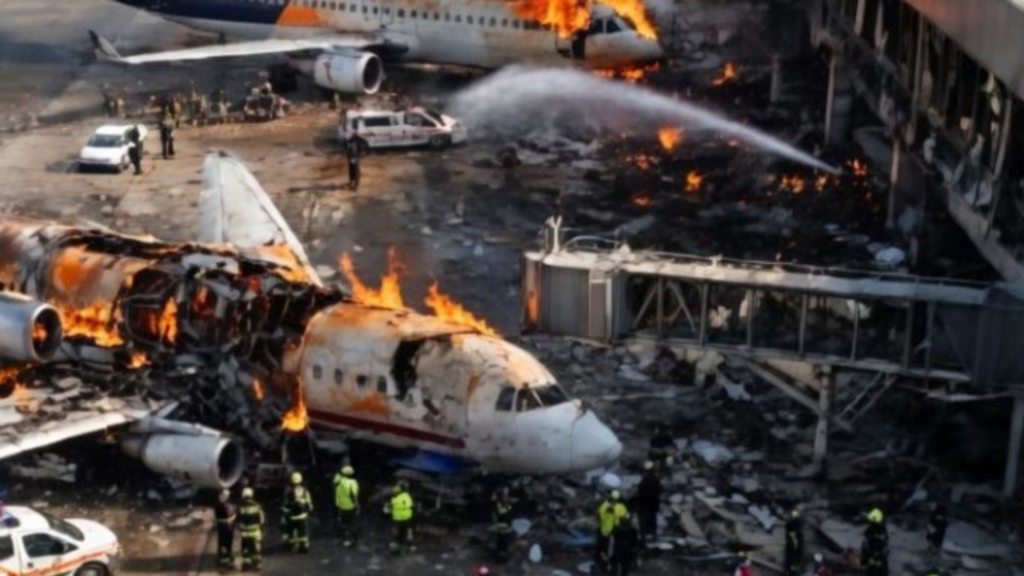
Initial casualty reports confirm that at least two civilians have been killed, with several others injured. Emergency response teams were deployed rapidly to affected areas, where they continue to search for survivors, treat the wounded, and assess structural damage. Images emerging from the scene show shattered buildings, damaged vehicles, and debris scattered across streets that are usually bustling with daily life.
One of the most alarming aspects of the attack is the reported use of cluster warheads. These types of munitions release multiple smaller submunitions over a wide area, significantly increasing the risk to civilians. In addition to the immediate destruction caused by the initial impact, unexploded submunitions can remain active and pose a deadly threat long after the strike, particularly in densely populated urban environments like Tel Aviv. International humanitarian organizations have long criticized the use of such weapons due to their indiscriminate nature and lasting danger.
Israeli officials have condemned the attack in the strongest terms, calling it a “blatant act of aggression” and warning of serious consequences. The Israeli military has reportedly been placed on the highest level of alert, with discussions underway regarding potential retaliatory measures. While details remain limited, defense analysts suggest that any response could further escalate tensions not only between Israel and Iran but across the broader Middle East.
Global leaders and international organizations have begun reacting swiftly to the developments. Calls for restraint and de-escalation have emerged from multiple governments, emphasizing the urgent need to prevent a full-scale regional war. The United Nations is expected to convene an emergency session to address the situation and explore diplomatic avenues to reduce tensions.
The unfolding crisis has also sparked widespread concern among civilians throughout the region. Air travel disruptions, heightened security measures, and rising uncertainty are already being felt beyond Israel’s borders. Financial markets have shown signs of volatility, reflecting the global implications of the conflict.
As the situation continues to evolve rapidly, many questions remain unanswered. Will Israel respond with force? Could this trigger a broader military confrontation involving other regional or global powers? And most critically, how can further loss of civilian life be prevented in an increasingly volatile environment?
For now, the world watches closely as events unfold, hoping that diplomatic efforts can prevail over further escalation. Authorities urge residents in affected areas to remain vigilant, follow safety instructions, and stay near protected spaces as the risk of additional attacks cannot be ruled out.
This is a developing story. Updates are expected as more verified information becomes available.