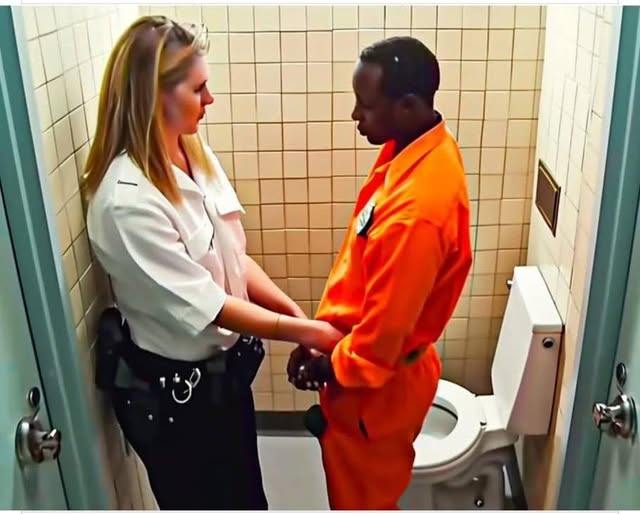
Correctional facilities are structured environments designed to function under strict rules, clearly defined roles, and carefully maintained boundaries. These institutions play a vital role in the justice system by ensuring safety, enforcing legal consequences, and supporting rehabilitation efforts for those in custody. The daily operations of such facilities depend heavily on discipline, consistency, and a shared understanding of professional expectations among staff and inmates alike.
However, like any setting where individuals interact under pressure and within confined spaces, correctional environments are not without challenges. In recent years, several reported cases involving inappropriate relationships between correctional staff and inmates have drawn increased public attention. These incidents have raised important and complex questions about professional conduct, institutional safeguards, and the human dynamics that can emerge in high-stress environments.
It is important to approach this topic with balance and responsibility. While such cases are concerning, they do not represent the majority of correctional professionals, many of whom carry out their duties with integrity and dedication. Nonetheless, examining these incidents can provide insight into systemic vulnerabilities and opportunities for improvement.
Understanding the Role of Correctional Officers
Correctional officers are tasked with maintaining order, enforcing institutional rules, and ensuring the safety of everyone within the facility. Their responsibilities require a high level of professionalism, emotional control, and ethical awareness. Officers must consistently uphold boundaries in all interactions, regardless of circumstances, while also managing situations that may involve conflict, manipulation, or emotional strain.
The nature of the job often places officers in close and repeated contact with inmates, which can create complex social dynamics. Maintaining authority and impartiality in such an environment is not always straightforward. Officers must make quick decisions, often under pressure, while adhering to strict protocols designed to prevent misconduct and ensure fairness.
Reported Cases and Public Attention
In recent years, various incidents across different regions have involved correctional staff engaging in conduct that violated institutional policies. These cases have included unauthorized personal relationships, breaches of communication protocols, and violations of established security procedures. In some situations, investigations uncovered additional concerns, such as the exchange of unauthorized items or communication outside approved channels.
Each case is unique, shaped by individual circumstances and institutional context. However, the pattern of such incidents has led to increased scrutiny of correctional systems and their oversight mechanisms. Public attention has prompted discussions about how these situations develop and what can be done to prevent them.
Contributing Factors and Systemic Challenges
Experts suggest that several factors may contribute to these types of incidents. High levels of stress, long working hours, and the emotional demands of the job can impact decision-making. In some cases, insufficient training or lack of ongoing supervision may also play a role. Additionally, the controlled and isolated nature of correctional environments can sometimes blur professional boundaries if safeguards are not consistently reinforced.
It is also important to recognize the role of institutional culture. Facilities that prioritize accountability, transparency, and continuous training are generally better equipped to prevent misconduct. Conversely, environments where communication is limited or oversight is inconsistent may face greater challenges in identifying and addressing issues early.
Consequences and Preventive Measures
The consequences of such violations can be significant, affecting not only the individuals involved but also the integrity of the institution. Disciplinary actions, legal consequences, and loss of public trust are common outcomes. These incidents can also impact overall safety within the facility, as breaches of protocol may compromise established security measures.
To address these challenges, many correctional systems have implemented stronger preventive measures. These include enhanced training programs focused on ethics and boundary-setting, improved monitoring and reporting systems, and regular reviews of institutional policies. Encouraging a culture where staff feel supported in reporting concerns is also a key component of prevention.
Conclusion
While correctional facilities are designed to operate within strict frameworks, the human element introduces complexities that require ongoing attention. By examining reported cases with a balanced perspective, institutions can identify areas for improvement and strengthen their systems. Ultimately, maintaining professionalism, accountability, and clear boundaries is essential to ensuring that correctional facilities fulfill their role effectively and ethically.