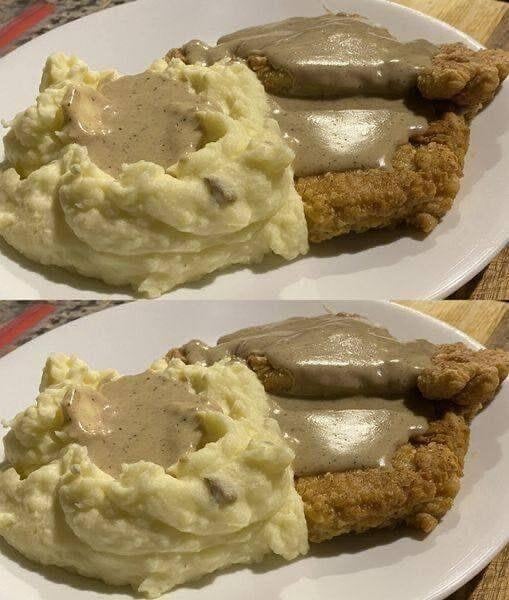
Mashed potatoes are being ruined in millions of kitchens, and almost no one realizes why. You think you’re doing everything right. You peel, you boil, you mash… and still end up with bland, forgettable mush. The quiet culprit is hiding in your pot, thinning out flavor, washing away what should have been creamy, savory comfort on a plate.
At first glance, boiling potatoes in water seems like the most natural step. It’s how most of us were taught, and it feels simple and reliable. But the truth is, water is not your friend when it comes to building rich, flavorful mashed potatoes. In fact, it’s doing the exact opposite of what you want.
Potatoes are like sponges. As they cook, they absorb and release moisture at the same time. When submerged in a pot of plain water, much of their natural starch and subtle flavor compounds leach out into the liquid. What you’re left with is a softer texture, yes—but also a diluted taste. That signature earthy, slightly nutty potato flavor becomes faint, almost invisible, no matter how much butter or salt you try to add later.
Even worse, excess water doesn’t just strip flavor—it sabotages texture. When potatoes absorb too much liquid during boiling, they become waterlogged. This leads to mashed potatoes that feel gluey or overly loose instead of light and fluffy. You may find yourself adding more butter, cream, or milk to compensate, but that often turns them heavy rather than silky.
There’s also a structural issue at play. The starch granules inside potatoes react to heat and moisture. Too much water can cause them to swell excessively and then break apart in a way that creates that dreaded gummy consistency. This is especially common when potatoes are overboiled or cut into very small pieces, increasing the surface area exposed to water. The result? A paste-like mash that sticks together rather than gently fluffing apart.
So if boiling in water is the problem, what’s the alternative?
One simple improvement is to cook potatoes in a more controlled environment. Steaming, for example, allows potatoes to cook through without being submerged. This significantly reduces flavor loss and prevents them from becoming saturated. The potatoes retain more of their natural taste and maintain a better internal structure, making them easier to mash into a smooth, airy consistency.
Another method gaining popularity among chefs is cooking potatoes in milk or a milk-and-cream mixture. This approach infuses flavor directly into the potatoes as they soften. Instead of losing taste to water, they absorb richness. Add a bit of garlic, bay leaf, or herbs to the liquid, and suddenly your mashed potatoes carry depth before you even begin mashing.
Baking is another underrated option. When potatoes are baked instead of boiled, their moisture content stays balanced, and their flavor becomes more concentrated. Scooping out the fluffy interior and mashing it with warm butter and cream results in a dish that tastes noticeably fuller and more indulgent.
Timing and handling matter just as much as the cooking method. Overcooking potatoes—regardless of how you cook them—breaks down their structure and leads to a heavy texture. Gentle mashing is also key. Overworking potatoes, especially with electric mixers or food processors, can activate too much starch and create a sticky consistency. A hand masher or a ricer keeps things light and controlled.
Salt is another detail often overlooked. If you do choose to boil potatoes, heavily salting the water can help reduce flavor loss by seasoning them from within. But even then, it doesn’t completely solve the problem of dilution. It’s a partial fix, not a full solution.
The difference between average mashed potatoes and unforgettable ones often comes down to these small choices. Avoiding excessive water exposure is one of the most impactful changes you can make. It preserves flavor, improves texture, and elevates the entire dish without requiring expensive ingredients or complicated techniques.
In the end, mashed potatoes should be more than just a side dish—they should be a highlight. Creamy without being heavy, flavorful without needing rescue from extra seasoning, and comforting in a way that feels intentional rather than routine. By rethinking something as simple as boiling in water, you unlock a better version of a classic that most people have been settling for far too long.