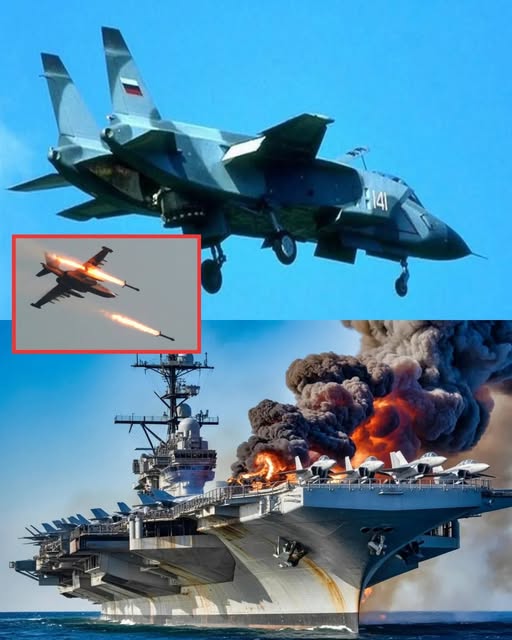
Reports about a potential conflict between the United States and Iran—especially claims involving advanced military equipment such as a downed F-35—should be approached with a high level of caution. As of now, there is no widely confirmed or independently verified information from major international news organizations or official government sources indicating that the United States and Iran are engaged in a formally declared war in 2026. Similarly, there are no credible reports confirming that an F-35 aircraft has been struck by Iranian forces and forced to land.
In today’s fast-moving digital environment, stories like these can spread rapidly, often gaining traction before their accuracy is established. Social media platforms, online forums, and unofficial channels can amplify unverified claims, sometimes blending real geopolitical tensions with speculation or misinformation. This makes it increasingly difficult for the public to distinguish between what is factual and what is merely rumor.
It is important to understand that while tensions between the United States and Iran have existed for many years, they have typically taken the form of indirect confrontations, diplomatic disputes, and limited regional incidents rather than full-scale, declared warfare. Any development involving a direct military engagement of the scale suggested—particularly one involving advanced aircraft like the F-35 Lightning II—would represent a significant escalation. Such an event would almost certainly be reported simultaneously by multiple credible international media outlets and accompanied by official statements from government and defense authorities.
The absence of such confirmation is a strong indication that current reports should not be treated as established fact. In situations involving national security and military activity, governments tend to respond relatively quickly to major incidents, either to confirm, deny, or clarify the situation. Silence or lack of consistent reporting across reputable sources often signals that the information circulating is incomplete, inaccurate, or entirely false.
Another key factor to consider is how misinformation spreads during periods of heightened geopolitical tension. When relations between countries are strained, audiences are more likely to believe dramatic or alarming claims. This creates an environment where unverified stories can gain credibility simply because they align with existing fears or expectations. In some cases, misleading information may even be intentionally spread to influence public perception or create confusion.
Because of this, relying on trusted and established news organizations is essential. Reputable outlets follow strict verification processes, cross-checking information with multiple sources before publication. They also tend to update their reporting as new facts emerge, providing a clearer and more accurate picture over time. Official government briefings and statements from recognized defense agencies are also critical sources, as they provide direct insight into what is confirmed and what remains uncertain.
If an incident of this magnitude were to occur, it would have far-reaching global implications. Markets could react, diplomatic relations could shift rapidly, and international security policies might be reassessed. This is precisely why accurate information is so important—misunderstandings or false reports can contribute to unnecessary panic or misinformed opinions.
For now, the most responsible approach is to remain cautious and patient. Rather than reacting immediately to viral posts or unverified headlines, it is better to wait for confirmation from reliable sources. Taking a moment to verify information before sharing it can also help reduce the spread of misinformation.
In conclusion, while it is natural to be concerned about reports involving major global powers and advanced military technology, it is equally important to approach such claims with critical thinking. Without confirmation from credible and independent sources, these reports should be treated as unverified. Staying informed through trustworthy channels ensures a more accurate understanding of events and helps maintain clarity in an often confusing information landscape.