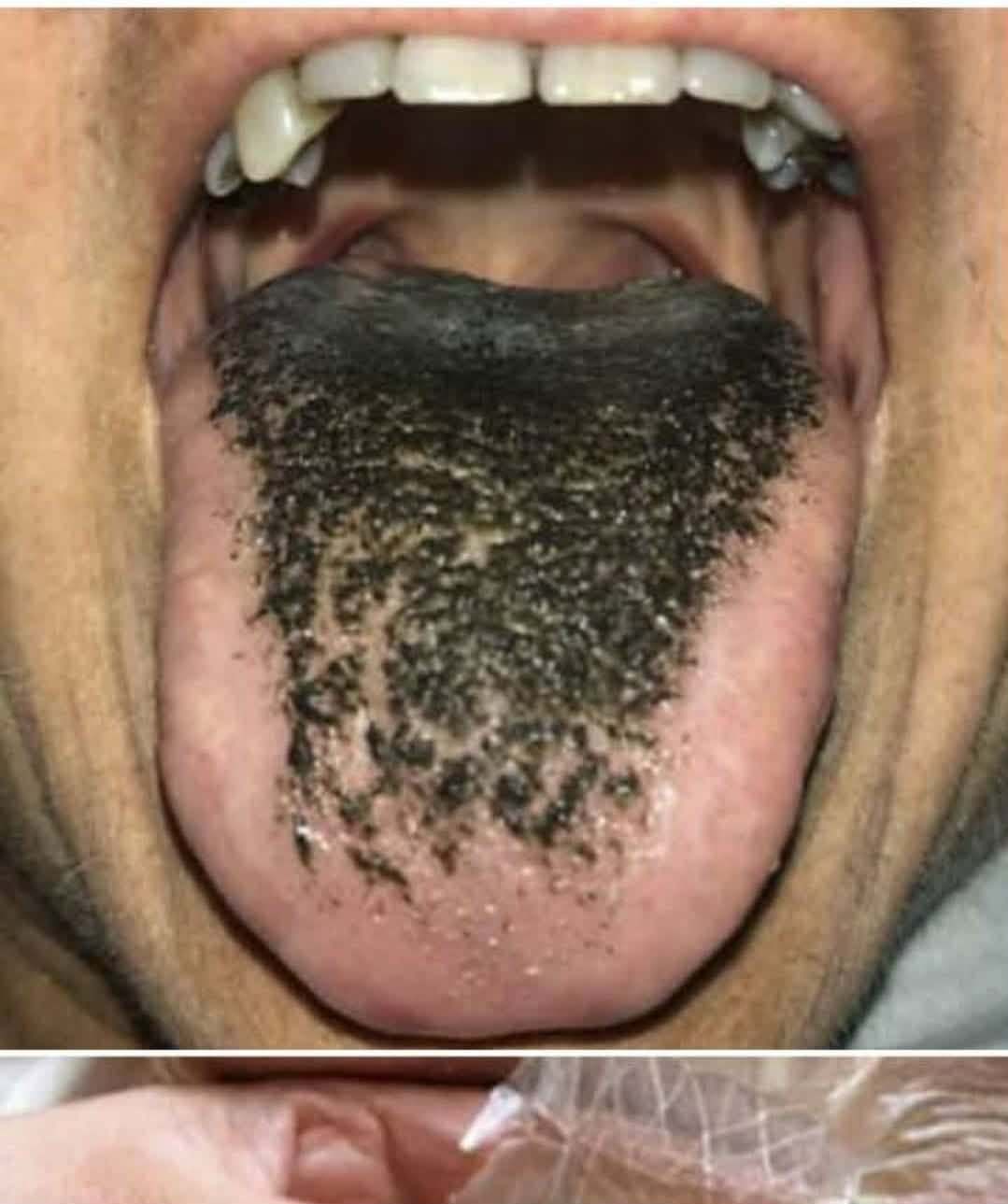
If your tongue appears white, it may be a sign that something in your body or daily habits needs attention. While in many cases the cause is harmless and easy to fix, a white tongue can sometimes point to underlying health conditions that should not be ignored. Understanding the possible reasons behind this change, along with knowing when to seek help, is important for maintaining overall health and well-being.
One of the most common causes of a white tongue is poor oral hygiene. When the tongue is not cleaned properly, bacteria, dead cells, and food debris can accumulate on its surface. This buildup forms a coating that often appears white, especially toward the back of the tongue. Many people focus on brushing their teeth but neglect the tongue, which is equally important in maintaining oral cleanliness. Using a toothbrush or a tongue scraper daily can significantly reduce this buildup and restore a healthier appearance.
Dehydration is another frequent cause. When the body lacks sufficient fluids, saliva production decreases. Saliva plays a crucial role in cleaning the mouth by washing away bacteria and particles. Without enough saliva, the mouth becomes dry, creating an environment where a white coating can easily form. Increasing water intake and staying properly hydrated can often resolve this issue quickly. In some cases, dry mouth may also be linked to medications or other conditions, making it important to identify the root cause.
A more specific medical condition associated with a white tongue is oral thrush. This is a fungal infection caused by an overgrowth of Candida yeast. It often appears as creamy white patches on the tongue and inner cheeks, which may be wiped away but can leave behind red, sensitive areas. Oral thrush is more common in individuals with weakened immune systems, those with diabetes, or people who have recently used antibiotics or corticosteroids. Treatment typically involves antifungal medications prescribed by a healthcare professional.
Another possible cause is a condition known as leukoplakia. This condition results in thick, white patches forming on the tongue or inside the mouth. Unlike simpler coatings caused by hygiene issues, these patches cannot be easily scraped off. Leukoplakia is often associated with irritation, such as from tobacco use or alcohol consumption, and in some cases, it may carry a risk of developing into more serious conditions. Because of this, any persistent white patches should be evaluated by a dentist or doctor.
In addition, a white tongue may sometimes be linked to oral lichen planus, an inflammatory condition that affects the mucous membranes inside the mouth. It can appear as white, lace-like patterns or patches and may cause discomfort or sensitivity. While the exact cause is not always clear, it is believed to be related to the immune system. Management often focuses on reducing symptoms and monitoring the condition over time.
Lifestyle factors can also contribute. Smoking, excessive alcohol consumption, and a diet high in processed foods may all affect oral health and lead to changes in the appearance of the tongue. These habits can irritate the mouth and create conditions where bacteria and debris accumulate more easily. Improving lifestyle choices can not only help resolve a white tongue but also benefit overall health.
In many cases, a white tongue is temporary and resolves with simple changes such as better oral hygiene, increased hydration, and healthier habits. However, if the condition persists for more than a couple of weeks, causes pain, or is accompanied by other symptoms, it is important to seek medical advice. Early evaluation can help identify any underlying issues and ensure appropriate treatment.
Ultimately, the tongue can serve as a useful indicator of your overall health. Paying attention to changes in its appearance is a simple yet effective way to catch potential problems early. By maintaining good oral care, staying hydrated, and being mindful of your health, you can keep your mouth—and your body—in better balance.