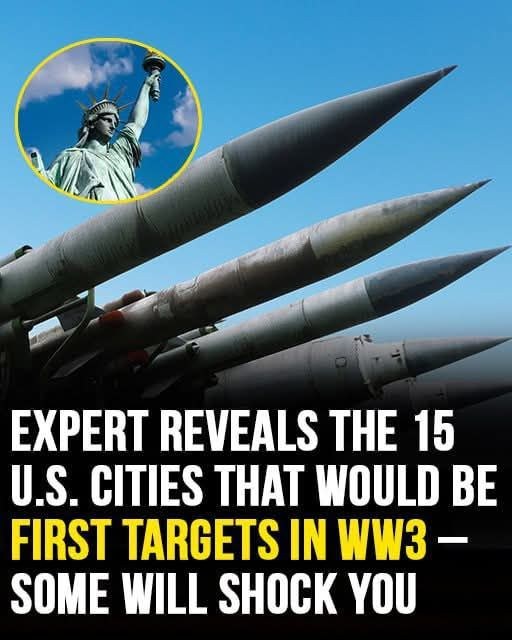
Fear of large-scale war rarely erupts in a single moment. It accumulates. A headline here, a diplomatic warning there, a sudden military exercise broadcast across the world — each piece alone may seem manageable. Together, they can create the sense that global stability feels thinner than it once did.
In today’s hyperconnected world, information travels faster than ever before. News alerts appear on phones within seconds of an event occurring, social media spreads rumors alongside verified reports, and analysis from experts competes with speculation from countless voices online. This constant stream of updates can make geopolitical tensions feel immediate and personal, even when events are unfolding thousands of miles away. For many people, the feeling is less about a single crisis and more about the steady drumbeat of uncertainty.
Historically, the fear of a global conflict has often followed similar patterns. Periods of rising tension tend to include political disagreements between powerful nations, shifting alliances, military buildups, and economic pressure. None of these developments automatically lead to war, but together they create an atmosphere in which the possibility of conflict feels closer than before. Observers begin to watch diplomatic language more carefully, noting subtle shifts in tone or policy that might hint at deeper changes behind closed doors.
Military activity can also contribute to the sense of unease. When countries conduct large-scale exercises or move equipment and troops into strategic positions, those actions are sometimes intended as demonstrations of readiness or deterrence rather than preparation for immediate combat. However, images of fighter jets, naval fleets, or missile tests circulating in the media can make the situation appear more dramatic. For the public, it can be difficult to distinguish between routine military signaling and steps that might indicate a real escalation.
Economic tensions play a role as well. Sanctions, trade disputes, and restrictions on technology or energy exports can deepen divisions between nations. These measures are often used as alternatives to direct military confrontation, but they can still strain relationships and create ripple effects across global markets. Businesses, governments, and ordinary citizens may feel the consequences through rising costs, supply disruptions, or uncertainty about the future.
Diplomacy, however, continues to operate in the background even when tensions appear high. Negotiations, quiet meetings between officials, and international organizations all work to manage disputes before they spiral out of control. Much of this effort happens away from cameras and headlines, which means the public often hears more about confrontation than cooperation. Yet historically, diplomacy has played a critical role in preventing crises from becoming full-scale wars.
Another factor shaping modern fears is the memory of past conflicts. The 20th century witnessed two devastating world wars, and the Cold War period introduced the terrifying possibility of nuclear confrontation. These historical experiences remain deeply embedded in public consciousness. When new geopolitical tensions arise, many people instinctively draw parallels with earlier eras, wondering whether the world might once again be approaching a dangerous turning point.
At the same time, global interconnectedness also creates incentives for restraint. Nations today are tied together through trade, technology, and shared institutions in ways that make large-scale war extraordinarily costly for all sides involved. While conflicts still occur in different regions, many analysts argue that these complex relationships act as a stabilizing force, encouraging leaders to seek alternatives to direct confrontation whenever possible.
For ordinary people watching events unfold from afar, the challenge is often balancing awareness with perspective. Headlines naturally focus on dramatic developments, but they rarely capture the full scope of diplomatic efforts, strategic calculations, and long-term planning taking place behind the scenes. Understanding this broader context can help explain why periods of tension sometimes last for years without erupting into the worst-case scenarios that many fear.
Ultimately, the fear of a global war reflects both genuine concern and the human tendency to search for patterns in uncertain times. Each new development adds another piece to the puzzle, prompting debate about what might come next. Whether those pieces lead toward conflict or cooperation depends on countless decisions made by leaders, institutions, and societies around the world. While the possibility of confrontation can never be entirely dismissed, history also shows that careful diplomacy, economic interdependence, and international dialogue have repeatedly helped steer the world away from the brink.