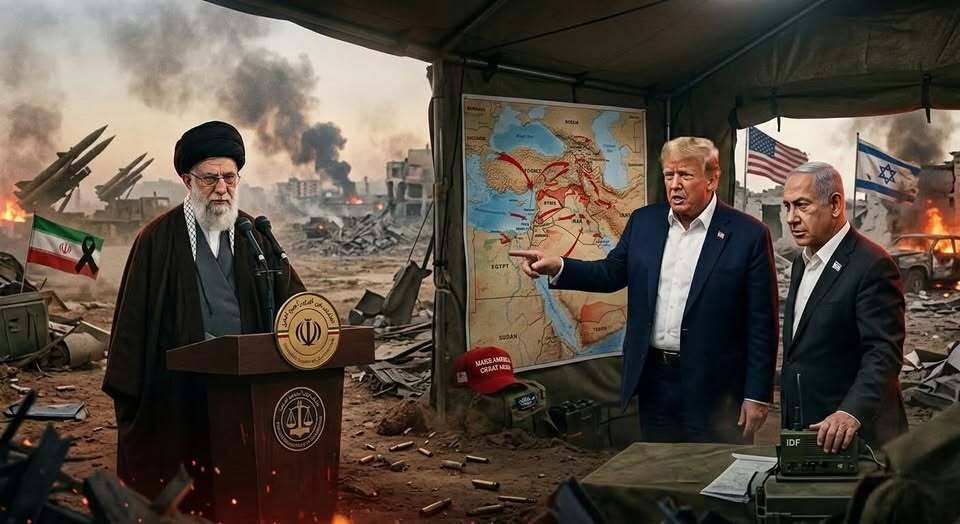
The year 2025 has once again placed Israel at the center of global attention as tensions across the Middle East continue to fluctuate. Reports of attacks, military responses, and rising regional instability have led many people around the world to ask an urgent question: Is Israel under attack in 2025? To understand the situation clearly, it is important to look beyond headlines and examine the broader political, historical, and security context shaping events in the region.
Throughout its modern history, Israel has faced complex security challenges. Located in a geopolitically sensitive region and surrounded by a mix of allies, rivals, and non-state actors, the country has experienced periods of intense conflict as well as fragile calm. The situation in 2025 reflects many of these longstanding dynamics, where tensions can escalate quickly due to political disputes, military actions, or regional rivalries.
In recent months, reports from international media and regional observers have indicated that Israel has faced rocket attacks, drone threats, and cross-border clashes from militant groups operating in neighboring territories. These attacks are often carried out by armed organizations rather than national governments, making the conflict particularly complex. Such groups may operate from areas like Gaza, southern Lebanon, or other contested regions, and they often engage in periodic exchanges of fire with Israeli forces.
When these incidents occur, Israel’s military typically activates its defense systems, including the well-known Iron Dome missile defense system, designed to intercept incoming rockets before they can strike populated areas. In many cases, these systems successfully prevent casualties, but the psychological and political impact of repeated attacks still weighs heavily on civilians living in affected areas.
The Israeli government often responds to attacks with military operations aimed at disabling the groups responsible. These responses can include targeted airstrikes, intelligence operations, and defensive deployments along borders. Supporters of these actions argue that they are necessary for national security and for protecting Israeli citizens from ongoing threats. Critics, however, frequently express concern about civilian casualties and humanitarian consequences in areas where military responses occur.
Another factor contributing to the tensions in 2025 is the broader regional rivalry involving several Middle Eastern powers. Some militant organizations operating near Israel receive support, training, or weapons from external actors, which adds another layer of complexity to the conflict. This has led to fears among analysts that localized clashes could potentially escalate into wider regional confrontations if not carefully managed.
Diplomatic efforts continue to play an important role in preventing escalation. International organizations, including the United Nations and various regional mediators, often step in during periods of intense violence to negotiate ceasefires or temporary pauses in fighting. These negotiations are frequently fragile, but they can reduce immediate tensions and create opportunities for humanitarian aid to reach affected communities.
For civilians on all sides, the human impact of these confrontations is significant. Families living near borders or in areas frequently targeted by rockets often rely on warning systems and bomb shelters. Schools, hospitals, and infrastructure may face disruption, and daily life can become unpredictable during periods of heightened conflict.
At the same time, many voices within the region continue to call for long-term solutions that address the root causes of the conflict. Peace advocates emphasize dialogue, political compromise, and international cooperation as necessary steps toward reducing violence. However, achieving lasting peace has proven extremely difficult due to deeply entrenched political disagreements, historical grievances, and competing security concerns.
So, is Israel under attack in 2025? In certain periods during the year, the country has indeed faced attacks from militant groups, leading to cycles of retaliation and heightened tensions. Yet these events are part of a broader, ongoing security situation that has existed in varying forms for decades.
Understanding the situation requires looking beyond simple headlines. The reality involves a complex mix of military threats, political disputes, regional power struggles, and humanitarian concerns. While moments of escalation capture global attention, many diplomatic and humanitarian efforts continue behind the scenes in hopes of preventing further violence.
As 2025 unfolds, the situation remains fluid. Observers around the world continue to watch closely, hoping that restraint, dialogue, and international cooperation can help prevent further escalation and move the region toward a more stable and peaceful future.