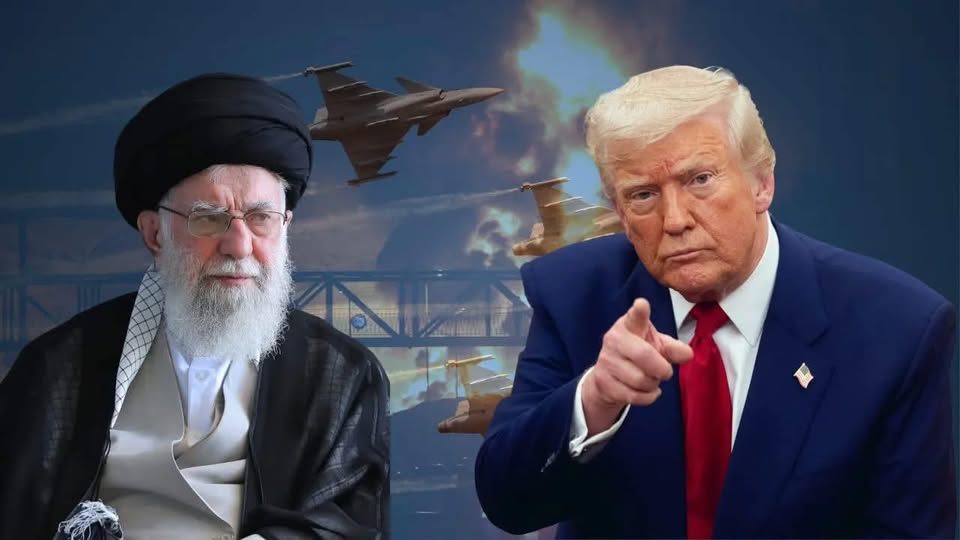
Is Israel Under Attack in 2025? In recent news, reports have surfaced claiming that Israel is once again facing direct attacks in 2025. For a country that has lived under the constant shadow of regional instability for decades, such headlines immediately trigger global concern. The Middle East has long been a region defined by fragile ceasefires, shifting alliances, and periodic escalations. As tensions rise once more, many are asking: What is actually happening in Israel in 2025, and how serious is the situation?
The year 2025 has indeed brought renewed security challenges for Israel. Various armed groups operating in neighboring territories have reportedly launched rocket fire toward Israeli cities and border communities. In addition, there have been reports of drone incursions and attempted cross-border infiltrations. These incidents have triggered air-raid sirens in multiple regions, sending civilians rushing to shelters and disrupting daily life. While Israel’s Iron Dome and other missile defense systems have intercepted many projectiles, the psychological and economic impact remains significant.
One major factor contributing to the tension is the ongoing conflict dynamics involving Gaza and Hezbollah in Lebanon. Skirmishes along Israel’s northern and southern borders have intensified at times, fueled by broader regional disputes. Iran’s role in supporting certain armed factions has also been a focal point of international attention. Israeli officials have repeatedly stated that they will not tolerate threats to their sovereignty and have responded with targeted airstrikes against what they describe as militant infrastructure.
Beyond rockets and drones, cybersecurity has emerged as a critical battleground in 2025. Israel, known for its advanced technology sector, has reportedly faced cyberattacks targeting infrastructure, financial institutions, and communication systems. While not as visibly dramatic as missile strikes, cyber warfare poses serious risks to national security and public safety. Israeli authorities have emphasized that they are strengthening digital defenses alongside traditional military capabilities.
The human dimension of the situation cannot be overlooked. Civilians on all sides bear the brunt of escalations. In Israeli cities near conflict zones, families live with the constant possibility of sirens interrupting school, work, and sleep. Meanwhile, in neighboring areas affected by Israeli retaliatory strikes, civilians also experience hardship, displacement, and fear. Each round of violence deepens mistrust and makes diplomatic solutions more difficult to achieve.
International reactions in 2025 have been swift. The United States has reaffirmed its support for Israel’s right to defend itself, while also urging restraint to prevent a wider regional war. European leaders have called for de-escalation and renewed diplomatic engagement. The United Nations has convened emergency meetings to address the growing tensions, warning that further escalation could destabilize the broader Middle East.
However, it is important to recognize that “Israel under attack” is not a simple or isolated headline. The security situation is part of a much larger geopolitical puzzle involving historical grievances, territorial disputes, ideological conflicts, and power struggles among regional actors. Events in Syria, Lebanon, Gaza, and even global energy markets can influence how and when violence flares up.
Despite the challenges, Israel’s defense establishment remains highly vigilant. The country maintains one of the most sophisticated military systems in the world, including advanced air defense, intelligence capabilities, and rapid mobilization forces. At the same time, internal political debates continue over how best to balance security measures with diplomatic outreach. Some argue that stronger military responses are necessary to deter future attacks, while others emphasize the need for renewed peace negotiations to break the cycle of violence.
In conclusion, reports in 2025 indicate that Israel is indeed facing renewed attacks and heightened security threats. Rocket fire, drone activity, cyber operations, and regional tensions have all contributed to a volatile environment. While Israel’s defense systems have mitigated some of the immediate damage, the broader question remains unresolved: can lasting stability be achieved in a region where conflict has become cyclical? As the world watches closely, the path forward will likely depend on a combination of deterrence, diplomacy, and the willingness of all parties to seek long-term solutions rather than short-term retaliation.