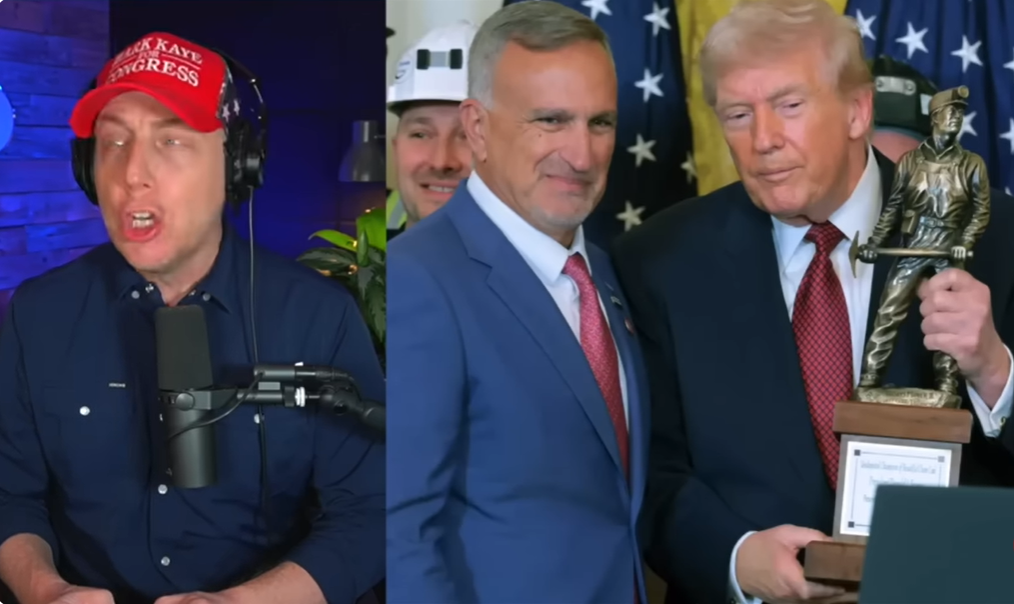
The U.S. House of Representatives has passed the SAVE America Act, a controversial election bill strongly backed by former President Donald Trump, igniting a renewed national debate over voter identification, election security, and access to the ballot box. Supporters of the legislation celebrated its passage as a major victory, framing it as a critical step toward protecting the integrity of American elections. Meanwhile, critics warned that the measure could create new barriers for eligible voters and deepen political divisions surrounding voting rights.
The SAVE America Act, which stands for Safeguard American Voter Eligibility, seeks to strengthen voter identification requirements across the country. The bill would require individuals registering to vote in federal elections to provide documented proof of U.S. citizenship. Acceptable documentation could include a passport, birth certificate, or certain government-issued identification verifying citizenship status. Proponents argue that such measures are necessary to prevent non-citizens from voting, an issue they claim undermines public confidence in election outcomes.
Republican lawmakers and Trump allies hailed the bill’s passage as a long-overdue reform. Many pointed to widespread concerns among their voter base about election security following the 2020 presidential election. Supporters insist that the legislation does not aim to suppress voter turnout but rather to ensure that only eligible citizens participate in federal elections. They argue that requiring proof of citizenship is a commonsense safeguard, similar to identification requirements used in everyday activities such as boarding airplanes or applying for certain government services.
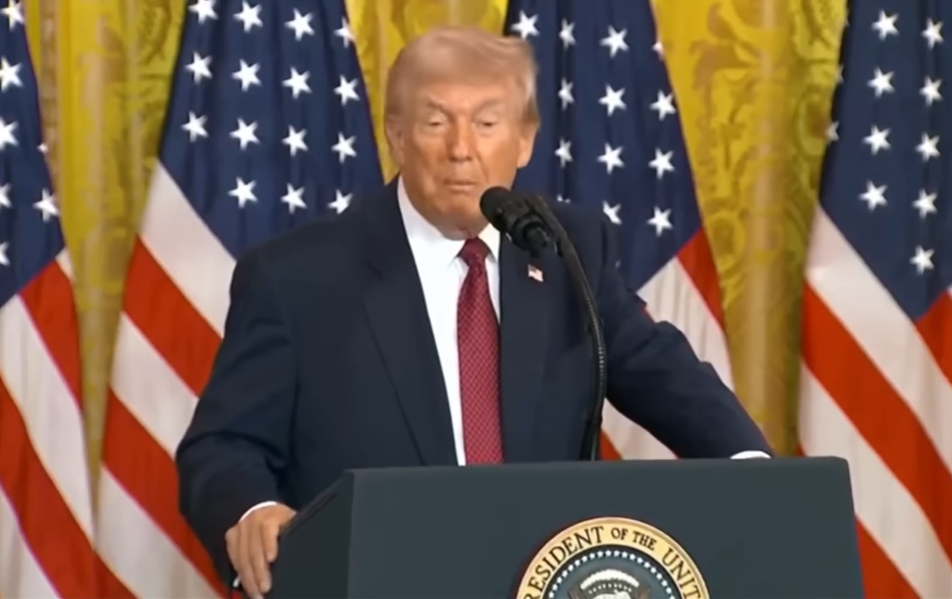
Former President Trump praised the House vote, calling it a “tremendous win for election integrity and American democracy.” He has consistently pushed for stricter voting regulations, frequently claiming that lax identification standards leave elections vulnerable to fraud. Although numerous investigations, court rulings, and election audits have found no widespread voter fraud in recent federal elections, Trump and his supporters continue to emphasize the need for additional safeguards.
Democratic lawmakers, civil rights organizations, and voting rights advocates strongly opposed the bill. Critics argue that the legislation could disproportionately impact vulnerable populations, including elderly voters, low-income citizens, rural residents, and naturalized citizens who may not have immediate access to citizenship documentation. Opponents say that while voter fraud should be addressed when it occurs, existing safeguards already make illegal voting extremely rare. They warn that the SAVE America Act could discourage or prevent eligible voters from casting ballots, potentially reshaping voter participation nationwide.
Voting rights groups also raised logistical concerns about the cost and accessibility of obtaining required documents. Birth certificates, for example, can be expensive or difficult to replace, particularly for individuals born in rural areas or outside traditional hospital settings decades ago. Naturalized citizens may face additional hurdles in retrieving documentation, especially if records are lost or damaged. Critics emphasize that even small barriers can significantly impact voter turnout, particularly in tightly contested elections.
The bill’s passage in the House represents only one step in the legislative process. The SAVE America Act now faces an uncertain future in the Senate, where it is expected to encounter fierce debate and potential resistance. Even if the measure were to pass both chambers of Congress, it could face legal challenges questioning whether the requirements violate constitutional protections related to voting rights and equal access to elections.
Beyond its legislative implications, the bill has intensified broader national discussions about balancing election security with voter accessibility. Supporters believe stricter identification rules restore public trust and reinforce democratic legitimacy. Opponents argue that expanding voter access, rather than adding restrictions, better reflects democratic principles.
As the debate continues, the SAVE America Act has become a powerful symbol of the ongoing struggle over how America conducts its elections. The outcome of the Senate vote and any subsequent legal battles could shape federal election procedures for years to come, influencing not only voter participation but also public confidence in the nation’s democratic system.