
An Unusual Elephant Encounter in Eastern India Raises Questions About Human–Wildlife Conflict
In many parts of the world, elephants are seen as symbols of intelligence, memory, and calm strength. Encounters between humans and elephants are often peaceful, particularly when animals remain within protected forest areas. However, as human settlements continue to expand into wildlife habitats, interactions between people and large animals have become more frequent—and sometimes unpredictable.
One such incident in eastern India drew national attention in 2022 after a tragic series of events unfolded in a rural village. While early headlines emphasized shock value, a closer examination reveals a broader and more complex issue: the growing challenge of human–elephant coexistence.
The Incident and Its Immediate Aftermath
Forest elephants in India GETTY
The event occurred in Raipai village, located in the Mayurbhanj district of Odisha, a region known for its proximity to forested land and wildlife corridors. According to local reporting at the time, a 68-year-old woman was performing routine daily activities near her home when she encountered a group of wild elephants moving through the area.
Villagers reported that people attempted to move away as the animals approached. In the confusion, one elephant separated from the group and charged. The woman was injured during the encounter and later died despite medical assistance.
Such incidents, while rare, are not unheard of in regions where elephant habitats overlap with human settlements. Wildlife officials have long warned that encounters involving elephants can escalate quickly due to the animals’ size, strength, and sensitivity to perceived threats.
A Second Encounter That Deepened Public Reaction
Later the same day, while the woman’s family and community were preparing funeral rites, villagers reported that elephants again emerged from the nearby forest. Out of fear, residents fled the area temporarily.
During this second appearance, property damage was reported, including the destruction of several homes. After the animals left, the community returned and continued the funeral preparations.
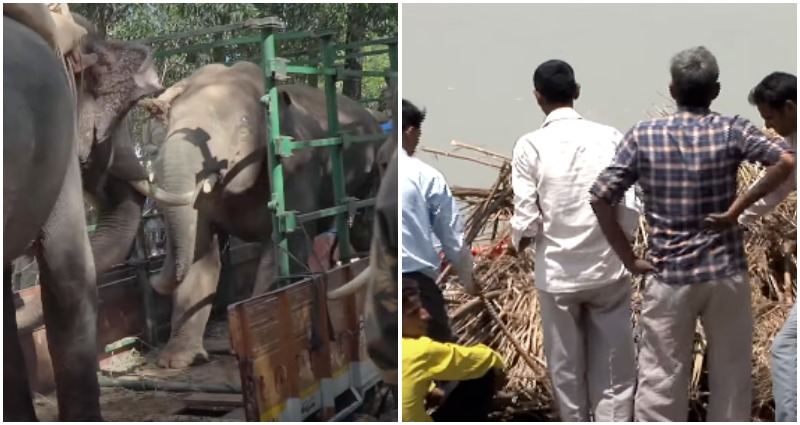
While some media coverage focused on the shock of the elephants’ reappearance, wildlife experts caution against interpreting animal behavior through a human emotional lens. Elephants do not act out of malice or revenge in the way people might imagine. Instead, their actions are usually driven by stress, confusion, or environmental disruption.
Understanding Elephant Behavior in Human Areas
Elephants are highly intelligent and social animals, but they are also extremely sensitive to changes in their surroundings. Noise, unfamiliar smells, crowds, fire, or sudden movement can trigger defensive reactions—especially in areas where elephants are already under stress.
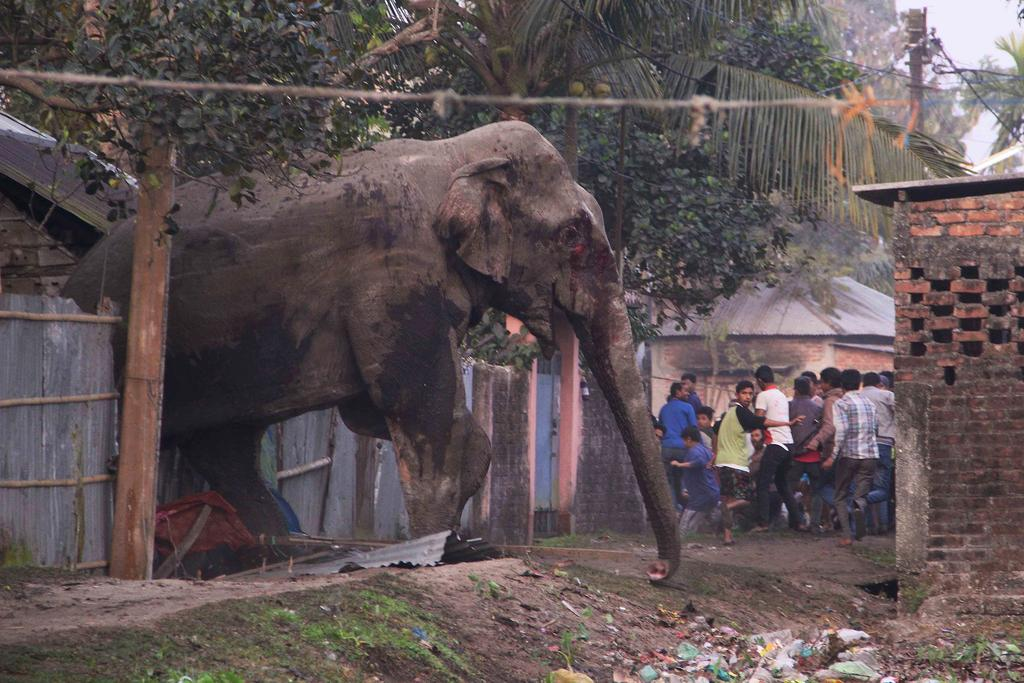
In parts of eastern India, elephants regularly move between forest patches in search of food and water. These migration routes, known as corridors, have existed for generations. When villages, roads, or farmland block these paths, encounters become more likely.
According to conservation researchers, elephants that stray far from their usual habitat may already be experiencing:
- Food scarcity
- Habitat fragmentation
- Separation from their herd
- Prior negative interactions with humans
Any of these factors can contribute to erratic or defensive behavior.