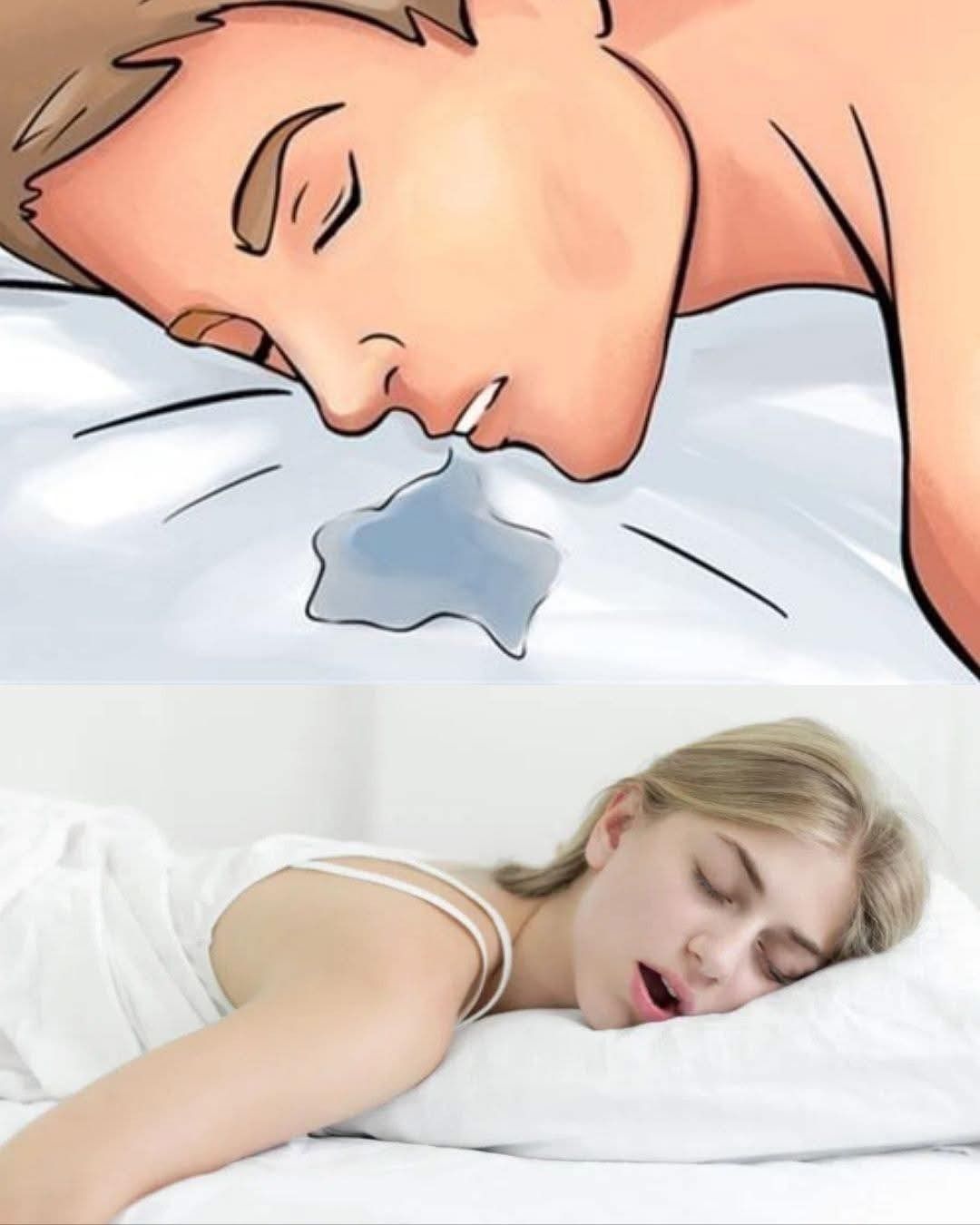
Drooling during sleep, also known as nocturnal sialorrhea, is a surprisingly common phenomenon that affects people of all ages. For most individuals, it is harmless and happens only occasionally.
Usually without any underlying health issues. Many people may wake up to find a damp pillow, and although this can be inconvenient or mildly embarrassing, it is often simply a part of normal sleep behavior.
Sleep is a complex process involving several stages, including light sleep, deep sleep, and rapid eye movement (REM) sleep. During deep sleep, the body’s muscles, including those in the face and mouth, relax.
This relaxation can make it easier for saliva to escape from the mouth, particularly if someone sleeps on their side or stomach. Children and infants may drool more frequently because their swallowing reflexes are not as well-developed. In these typical cases, occasional drooling is not usually a cause for concern.

When to Take Drooling Seriously
While occasional drooling is usually harmless, there are situations where it may indicate an underlying issue. You should pay attention if the drooling:
Appears suddenly in someone who rarely drools
Is persistent or occurs nightly
Is excessive enough to soak pillows or sheets
Is one-sided, affecting only one side of the mouth
Is accompanied by difficulty swallowing, pain, or other unusual symptoms
In such cases, it may be helpful to consult a healthcare professional, as these signs could point to health conditions or lifestyle factors that require attention.
Common Causes of Nighttime Drooling
Several factors contribute to drooling during sleep. While most are benign, understanding the underlying mechanisms can help manage or reduce symptoms.
- Nasal Congestion and Mouth Breathing
One of the most common causes of nighttime drooling is nasal congestion. When nasal passages are blocked, the body compensates by breathing through the mouth. This can happen due to:
Allergies: Seasonal or environmental allergens can cause inflammation and swelling of nasal passages, making it difficult to breathe through the nose.
Colds or sinus infections: Infections cause mucus buildup, leading to partial or complete nasal obstruction.
Deviated septum: Structural irregularities in the nasal cavity can obstruct airflow.
Enlarged adenoids or tonsils: Particularly in children, enlarged tissues can limit nasal breathing.
When the mouth remains open during sleep, saliva may escape more easily. People with mouth breathing caused by nasal issues often notice other signs such as snoring, dry mouth upon waking, or restless sleep.
Treating the nasal congestion—through antihistamines, decongestants, nasal sprays, or other interventions—often reduces drooling.

2. Sleep Position
How a person sleeps can significantly affect saliva control. Individuals who sleep on their back may drool less because gravity keeps saliva toward the back of the throat.
However, those who sleep on their side or stomach may experience more frequent drooling due to the sideways or downward position of the mouth.
Children and infants, in particular, are prone to drooling in certain positions because their oral musculature is still developing. Pillows that support the head and neck properly can sometimes help reduce drooling by encouraging a more neutral sleeping position.
3. Digestive and Gastrointestinal Factors
Digestive issues, such as acid reflux (gastroesophageal reflux disease or GERD), can also contribute to drooling. At night, when lying down, stomach acid may move up the esophagus, irritating the throat.
The body may respond by producing additional saliva as a protective mechanism, which can then overflow and cause drooling.
Signs that digestive issues may be contributing include:
- Heartburn, particularly when lying down
- Sour or bitter taste in the mouth upon waking
- Coughing, throat irritation, or hoarseness
- Chest discomfort or burping at night
Addressing acid reflux through lifestyle changes, such as avoiding late-night meals, reducing spicy or acidic foods, or elevating the head during sleep, may reduce nighttime drooling.
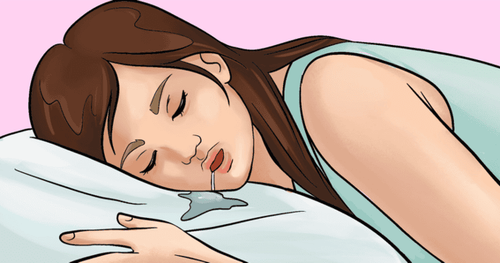
4. Oral and Dental Health
Oral health also plays a role in saliva production and drooling. Conditions that affect the mouth, teeth, gums, or throat can temporarily stimulate excess saliva production. Some examples include:
- Gum inflammation (gingivitis): Swelling and irritation of the gums can trigger increased saliva production.
- Dental infections or abscesses: Pain and inflammation may make it difficult to swallow normally, leading to drooling.
- Throat infections: Tonsillitis, pharyngitis, or other infections can interfere with swallowing reflexes and saliva management.
Once the underlying dental or oral issue is treated—whether through antibiotics, dental care, or improved oral hygiene—drooling typically improves. Maintaining regular dental checkups and oral hygiene can prevent saliva-related problems.