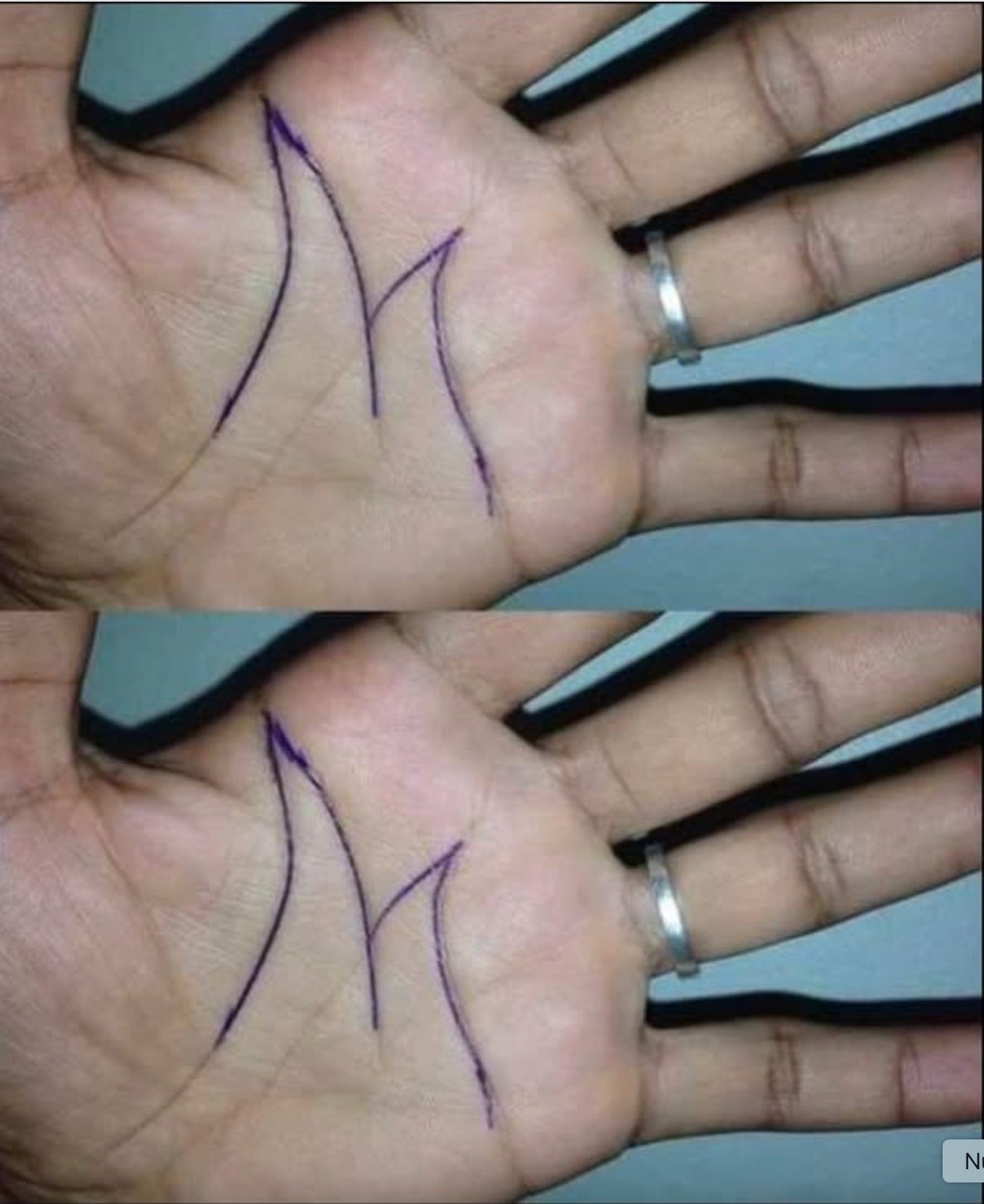
Have you ever paused for a moment to look closely at your palms and wondered what all those lines might mean?
The human hand is a remarkable and complex structure, and the intricate patterns etched into our palms have fascinated people for thousands of years.
Across cultures and centuries, these lines have been interpreted as symbols of personality, emotional tendencies, and life experiences. For some, palm lines are nothing more than natural creases formed by movement and genetics.
For others, particularly those interested in palmistry, they are believed to offer insight into character, strengths, challenges, and potential paths in life.
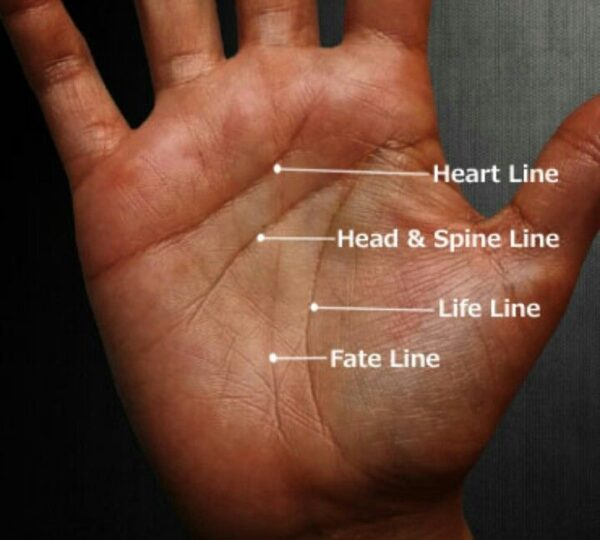
One of the most talked-about palm features is the appearance of a shape resembling the letter “M” formed by the intersection of major palm lines.
According to palm readers and enthusiasts of hand analysis, people who display this marking are thought to possess heightened intuition, leadership qualities, and a strong sense of purpose.
Popular culture has amplified this belief, often associating the “M” shape with well-known figures such as Meghan Markle, Hillary Clinton, and Robert De Niro.
But where do these ideas come from, and what do they really mean?
Palmistry: An Ancient Practice, Not a Science
Palmistry, also known as chiromancy, is an ancient interpretive tradition that dates back thousands of years. It has roots in India, China, Greece, Egypt, and parts of the Middle East.
Historically, palmistry was practiced alongside astrology and other symbolic systems as a way of understanding human nature and destiny.
It is important to clarify, however, that palmistry is considered a cultural and spiritual tradition rather than a scientific discipline. There is no medical or scientific evidence proving that palm lines can predict future events or determine success, intelligence, or personality traits.
Modern palmists themselves often emphasize that palm reading is an interpretive art. Rather than predicting the future, many practitioners believe palm lines reflect tendencies, emotional patterns, and life experiences that may evolve over time.
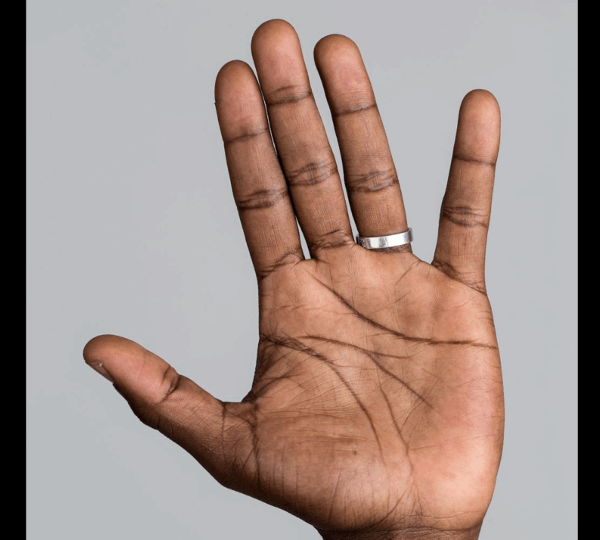
Just like fingerprints, no two palms are exactly the same. While fingerprints are studied scientifically for identification, palm lines are shaped by a combination of genetics, hand movement, and development in the womb. Their uniqueness is undeniable, even if their meanings remain subjective.