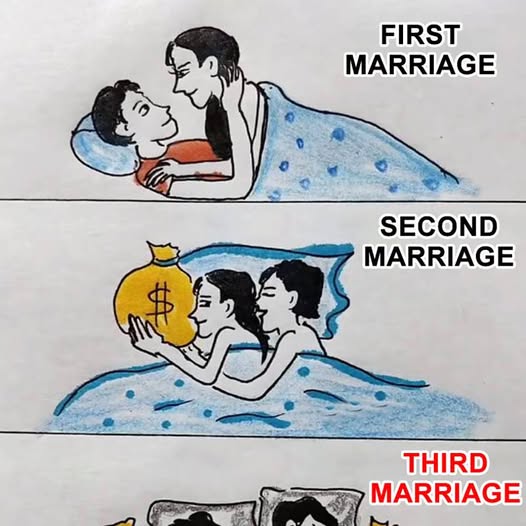
Marriage is often described as one of life’s greatest adventures, but like any journey, it rarely follows a straight or predictable path. It begins with hope, dreams, and promises whispered between two people who believe love alone will guide them through every storm. Yet, as time moves forward, marriage evolves, shaped by experiences, lessons, heartbreak, healing, and growth. The journey from a first to a second—or even a third—marriage is not simply about starting over. It is about carrying pieces of the past into the future, slowly learning what love truly means.
A first marriage often feels like stepping into a storybook. Everything seems possible, and the future glows with excitement. Couples frequently enter their first marriage believing that love will naturally solve every problem. They dream of building a life filled with shared laughter, traditions, and milestones. At this stage, love is often passionate, intense, and fueled by imagination. However, first marriages usually happen when individuals are still discovering themselves. They may not fully understand their fears, insecurities, or emotional needs. Small disagreements can feel overwhelming, and unexpected challenges—such as financial struggles, career pressures, or personal differences—can shake the foundation they believed was unbreakable.
For some, first marriages grow stronger through those struggles. For others, they slowly reveal cracks that neither partner knew how to repair. When a first marriage ends, it often leaves behind a mixture of grief, self-reflection, and unanswered questions. It can feel like losing not only a partner but also the future that was once imagined so clearly. Yet within that heartbreak often lies the beginning of personal growth. People begin to understand themselves in ways they never had before.
Second marriages often begin more quietly, but with deeper awareness. Love in a second marriage may not always carry the same youthful intensity, but it often carries something stronger—understanding. Individuals who remarry tend to approach love with both hope and caution. They have felt disappointment before, and that experience shapes how they open their hearts again. They are often more honest about their needs, their boundaries, and their fears. Communication becomes more intentional, and emotional connection often becomes more valued than grand romantic gestures.
Still, second marriages can come with their own emotional weight. Blended families can create moments of both beautiful connection and complicated adjustment. Learning to share space, traditions, and affection with stepchildren or extended family members requires patience and empathy. Financial responsibilities and memories from past relationships may also follow into the new marriage. Trust may take longer to build, but when it does, it often feels stronger and more resilient. Second marriages frequently succeed not because they are easier, but because the people within them are wiser and more prepared to nurture the relationship.
By the time a person reaches a third marriage, love often transforms into something deeply personal and profoundly honest. A third marriage is rarely about chasing fairy tales. Instead, it is about finding peace, companionship, and genuine acceptance. Individuals entering a third marriage usually have a clear understanding of what brings them happiness and what they are no longer willing to compromise. There is often a calmness in these relationships, a quiet confidence that love does not need to be perfect to be meaningful.
Third marriages are often built on friendship as much as romance. Partners may place greater importance on shared moments—simple conversations over coffee, laughter during ordinary days, or the comfort of knowing someone stands beside them through life’s uncertainties. There is often less concern about societal expectations and more focus on emotional safety and mutual respect. These relationships can feel like coming home after a long and winding journey.
The progression from a first to a second or third marriage tells a powerful story about human resilience and the enduring desire for connection. Each marriage leaves its mark, shaping how individuals understand love, trust, and partnership. While the path through multiple marriages can include pain and loss, it also carries opportunities for healing, growth, and rediscovery.
In the end, marriage is not defined by how many times a person says “I do,” but by the lessons learned, the love shared, and the courage it takes to open one’s heart again. Every marriage, whether first, second, or third, represents a chapter in the lifelong story of learning how to love and be loved.