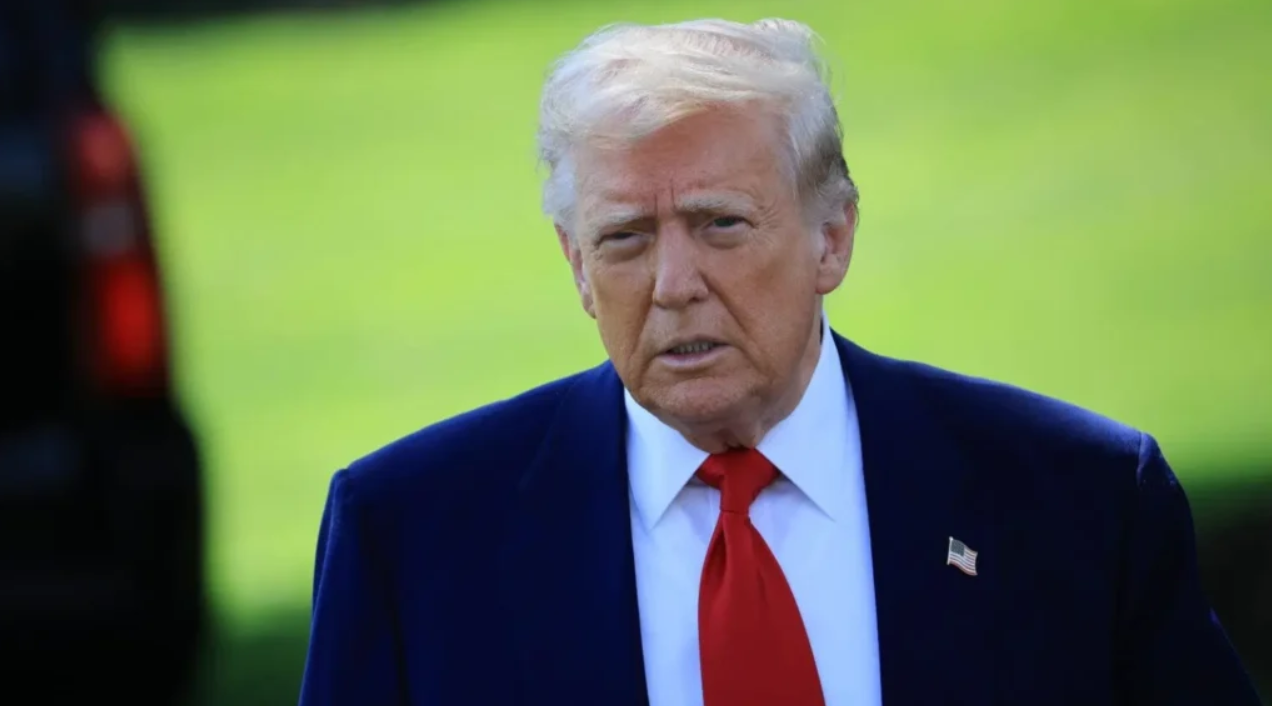
President Donald Trump made headlines once again on Thursday with a dramatic declaration of war targeting drug cartels operating across North and South America. The announcement marks a significant escalation in a long-running battle against organized crime networks that has traditionally been handled through law enforcement cooperation, intelligence sharing, and international anti-trafficking agreements. The administration’s decision signals a major shift in policy, reframing the fight against drug trafficking as a military-level conflict rather than solely a criminal justice issue.
In a brief but impactful memo delivered to Congress, the White House outlined its justification for designating the situation as a “non-international armed conflict.” According to the document, the administration believes that drug cartels have evolved far beyond criminal enterprises and now function as highly organized paramilitary groups. The memo repeatedly referred to these cartels as “terrorist organizations,” arguing that their activities pose a direct and severe threat to U.S. national security, border stability, and public safety.
The administration’s statement emphasized the growing influence of cartel networks, noting their involvement not only in drug trafficking but also in human smuggling, weapons distribution, money laundering, and violent cross-border operations. Officials cited rising overdose deaths linked to fentanyl and other synthetic drugs as a major factor in the decision. The memo highlighted statistics suggesting that cartel-controlled supply chains have significantly increased the availability of dangerous narcotics within U.S. communities, contributing to what the administration described as a “national health and security crisis.”
Supporters of the declaration argue that traditional enforcement methods have failed to curb the power and reach of major cartel organizations. They believe that classifying the conflict under armed conflict status could allow the U.S. government to deploy additional resources, including military intelligence capabilities, surveillance technology, and expanded operational authority. Proponents also claim the move sends a strong message that the United States is prepared to take aggressive action to disrupt trafficking networks and dismantle cartel leadership structures.
However, the declaration has already sparked debate among lawmakers, legal experts, and international partners. Critics have raised concerns about the potential implications of labeling cartels as terrorist groups, warning that such a designation could complicate diplomatic relationships with countries throughout Latin America. Some experts fear it may strain cooperative anti-crime partnerships that rely heavily on shared intelligence and coordinated law enforcement strategies. Others question whether military involvement in anti-cartel operations could lead to unintended escalation or humanitarian consequences in regions already struggling with violence and political instability.
Legal scholars are also examining whether the classification of a “non-international armed conflict” is consistent with existing international law. While this type of designation is sometimes used in conflicts involving non-state armed groups, applying it to criminal organizations operating across multiple sovereign nations presents complex legal and jurisdictional challenges. Congressional leaders from both parties have requested further clarification from the administration regarding operational limits, oversight measures, and the potential financial cost of expanded enforcement efforts.
Meanwhile, reactions from foreign governments have been cautious. Some officials in Latin American countries have expressed concern over how the policy could affect their national sovereignty, while others have indicated a willingness to continue cooperating with the United States in combating organized crime. Analysts suggest that future diplomatic negotiations will likely focus on defining the scope of any joint operations and ensuring that anti-cartel strategies do not undermine regional stability.
As the situation develops, the declaration represents one of the most aggressive policy stances taken against transnational drug cartels in modern U.S. history. The administration has framed the decision as a necessary response to an evolving and increasingly violent threat. Whether the strategy will achieve its intended goals or generate new political and legal challenges remains a topic of intense debate across domestic and international arenas.