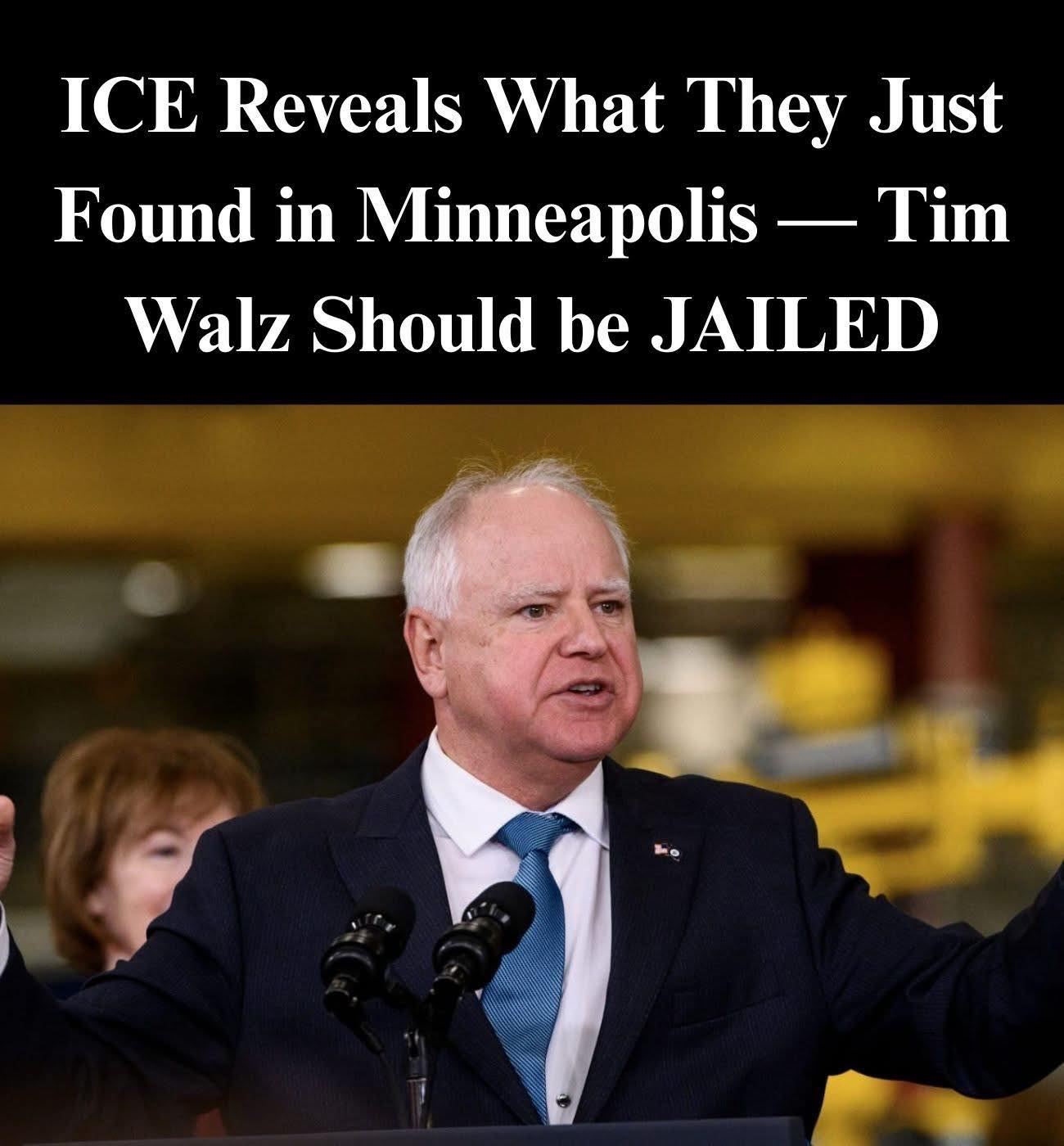
A high-profile arrest late last year in Minneapolis has reignited a bitter national debate over immigration enforcement, sanctuary policies, and the balance between community trust and public safety.
Federal authorities arrested Mahad Abdulkadir Yusuf, a Somali national and convicted sex offender, during a targeted U.S. Immigration and Customs Enforcement (ICE) operation on December 31, 2025.
According to ICE, Yusuf had been living openly in Minneapolis for years despite a serious criminal past — a circumstance that federal officials say highlights what they view as significant gaps in cooperation between federal immigration enforcement and local law enforcement in sanctuary jurisdictions.
Who Is Mahad Abdulkadir Yusuf?
Federal immigration authorities say that Yusuf originally entered the United States in 1996 and at one point held lawful permanent resident status.
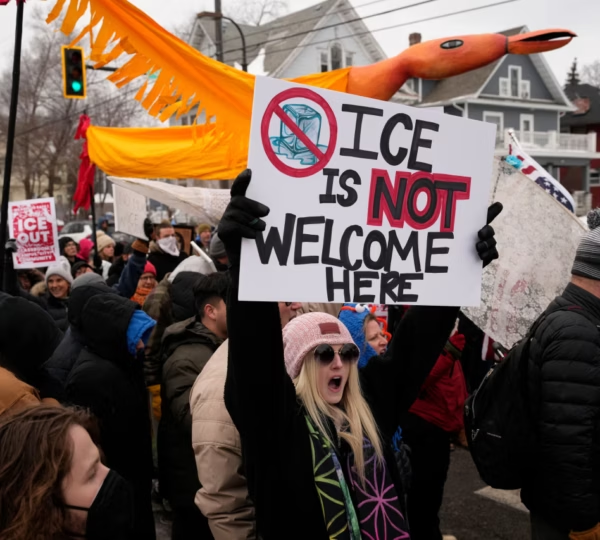
Over the years, he developed a criminal record that federal agents characterize as serious and violent:
In 2016, he was convicted of first-degree criminal sexual conduct for forcing a victim to perform oral sex on him multiple times, according to ICE statements.
The agency also notes a prior arrest for first-degree assault in 2016 and an active 2024 warrant for obstructing police.
Federal authorities describe Yusuf as a “dangerous criminal” and assert that his continued presence in the community without federal custody poses a serious risk to public safety.
Federal Authorities: Sanctuary Policies Impeded Enforcement
ICE has publicly linked Yusuf’s prolonged freedom to Minnesota’s sanctuary-style policies and local resistance to federal immigration enforcement.
In statements following his arrest, the agency alleged that prior attempts to take Yusuf into custody were thwarted by at least one interfering third party — namely, the manager of his Lake Street apartment building, who allegedly prevented federal agents from entering when they tried to arrest him in the past.
Federal officials also argue that Minnesota’s sanctuary policies — which generally limit cooperation between local law enforcement and federal immigration authorities (including restrictions on honoring ICE detainers or sharing certain information) — create operational challenges for ICE and other federal agents seeking to locate and apprehend noncitizens who are wanted on immigration or criminal warrants.
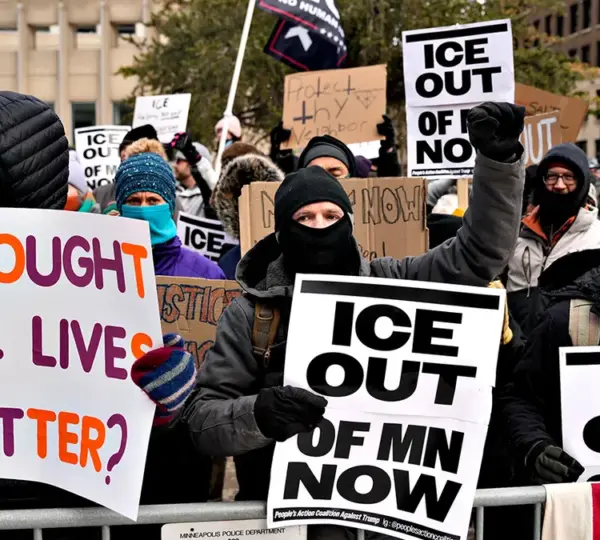
ICE and Department of Homeland Security leaders have amplified this point on social media and in public statements, asserting that local resistance to cooperation and messaging that paints ICE operations as hostile has emboldened community interference and hindered enforcement.
Minneapolis and Minnesota Officials Respond
Local leaders have disputed federal characterizations of sanctuary policies and the circumstances surrounding Yusuf’s case.
Minneapolis Mayor Jacob Frey and Minnesota Governor Tim Walz have defended the state’s approach to community policing and immigration, arguing it prioritizes trust and safety for all residents, including immigrants.
They maintain that sanctuary policies focus on separating routine local policing from federal immigration enforcement in order to encourage cooperation with victims and witnesses who might otherwise avoid contact with law enforcement out of fear of deportation.