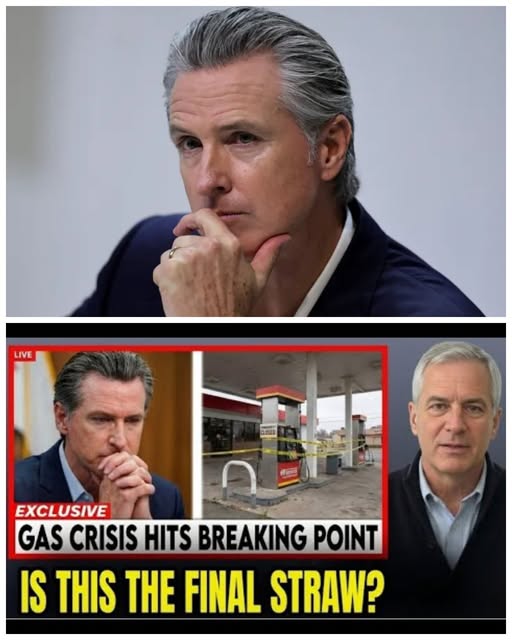
In the heart of California, where the golden sun cast long shadows over vast highways and small towns alike, a crisis quietly festered. Gasoline prices had soared to unprecedented levels, straining households, businesses, and the very infrastructure that supported daily life. For residents and entrepreneurs alike, the surge represented more than just an economic inconvenience—it was a test of endurance, resilience, and the leadership entrusted to navigate these turbulent times.
At the forefront of documenting this upheaval was Alex Lawson, a journalist whose career had been defined by tenacity and a commitment to uncovering truths hidden beneath the veneer of politics and policy. Alex had witnessed crises before, but the unfolding fuel debacle was different. It wasn’t simply a spike at the pump; it was a systemic disruption, the cumulative result of policy missteps, regulatory overload, and a series of mandates that, while designed with long-term intentions, had immediate and devastating consequences for California’s small business community.
On an unusually warm afternoon, Alex arrived at a small gas station in the outskirts of Los Angeles. The once-bustling station, a hub of social and economic activity, now sat silent, pumps shuttered, and signage marking the end of its operations. Alex’s eyes swept across the scene: broken asphalt, littered forecourts, and a handful of lingering patrons who lingered in disbelief. This was no isolated incident—stations across the state faced closure due to the new double-walled storage tank regulations, an ambitious environmental protection measure that had become a double-edged sword.
Alex could see the despair etched into the faces of local business owners. Each closure represented not only lost revenue but the unraveling of a social fabric woven over decades. For small communities, gas stations were more than fuel dispensers—they were meeting points, employers, and lifelines for families. Now, these lifelines were being severed.
Among those hardest hit was Maria Delgado, owner of a family-run station that had served the same neighborhood for over thirty years. Her eyes reflected a mixture of anger, fear, and determination as she surveyed the locked pumps. She had survived economic recessions, shifting market trends, and even natural disasters—but this challenge threatened the very existence of her business.
“What are we going to do, Alex?” she asked, voice quivering yet resolute. “We can’t just sit back and let this destroy everything we’ve built.”
Alex knew her fear was justified. The state’s RUST loan program, designed to assist stations in compliance with new environmental mandates, had stalled, leaving proprietors stranded. Delays in funding, bureaucratic hurdles, and the rising costs of infrastructure upgrades created a perfect storm that small business owners were ill-prepared to weather.
Determined to respond, Alex and Maria began organizing their community. Flyers were distributed, meetings were called, and a coalition of affected station owners started to form. The message was simple yet urgent: “Fuel for Life” and “Save Our Stations.” They were not only advocating for their businesses but for the livelihoods of the families and employees who depended on them.
As news of their efforts spread, the state media took notice. Interviews, video segments, and social media campaigns quickly amplified their story, drawing attention from beyond the local community. Alex, once merely an observer and chronicler of events, now became the spokesperson and symbol of a larger movement. With visibility came scrutiny. Critics questioned their motives, politicians challenged their narrative, and the pressure intensified. But Alex’s resolve only strengthened.
In his investigations, Alex discovered the broader context behind the crisis. California’s ambitious environmental policies, aimed at reducing pollution and advancing sustainable energy solutions, had inadvertently created financial strain for small businesses dependent on legacy fuel systems. Lobbyists and corporate influence further complicated matters, making regulatory compliance both expensive and politically charged. The closures, Alex realized, were not merely a result of administrative oversight—they were the manifestation of systemic imbalance, where good intentions collided with harsh economic realities.
Alex chronicled the personal stories of those affected. He spoke with James, an octogenarian whose station had been in the family for generations. James recounted pouring his life savings into upgrades, maintaining compliance with every previous mandate, only to find that the latest regulations now threatened to erase decades of hard work. Each tale deepened Alex’s understanding of the human cost of policy decisions, and he felt an increasing responsibility to give voice to these narratives.
Meanwhile, the affected communities began mobilizing. Town halls turned into forums of debate and action. Local residents, once passive observers of policy, became active participants, questioning elected officials and demanding solutions. The coalition organized demonstrations outside government offices, gathering hundreds of supporters to highlight the urgency of the situation. Signs proclaiming the need for fair regulation and economic stability adorned city streets, while social media campaigns expanded their reach to statewide and national audiences.