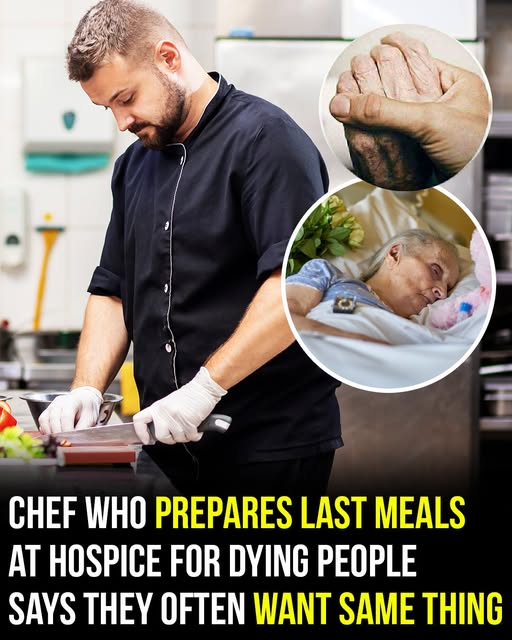
One of the most powerful aspects of Spencer Richards’ work is how it restores a sense of agency to patients whose lives are often shaped by medical routines and limitations. In hospice care, many choices are no longer available—treatments end, timelines narrow, and independence can diminish. Food, however, remains one of the few areas where personal preference can still be honored.
By asking patients what they want, how they want it prepared, and what memories they associate with certain dishes, Richards gives them a voice at a time when many feel unheard. That simple question—“What would you like to eat?”—becomes an affirmation of individuality. It reinforces that each person is more than their diagnosis; they are someone with history, taste, culture, and stories worth respecting.
For patients nearing the end of life, that sense of choice can be profoundly grounding. It offers comfort not through medical intervention, but through recognition and dignity.
Cultural Sensitivity and Identity
Hospice kitchens serve people from diverse backgrounds, and Richards places strong emphasis on cultural awareness. Food is deeply tied to identity, faith, and tradition, and honoring those connections can bring peace during a vulnerable time.
Whether it is preparing traditional meals for religious observances, honoring dietary restrictions, or recreating dishes tied to cultural heritage, Richards views these requests as essential rather than optional. A familiar dish can reconnect patients with their roots, offering reassurance and emotional stability when everything else feels uncertain.
For families, seeing a loved one enjoy a culturally meaningful meal can also be deeply reassuring. It affirms that their relative is being cared for holistically—not just physically, but emotionally and culturally as well.
The Quiet Collaboration Behind Each Meal
Hospice cooking does not happen in isolation. Richards works closely with nurses, dietitians, speech and language therapists, and caregivers to ensure meals are both safe and satisfying. This collaboration is especially critical when patients face swallowing difficulties, fatigue, or rapid changes in condition.
Menus may shift daily—or even hourly—based on how a patient feels. A meal planned in the morning may no longer be appropriate by evening. This requires flexibility, constant communication, and a willingness to adapt without frustration or ego.
Richards emphasizes that this teamwork reflects the broader philosophy of hospice care: everyone plays a role in comfort, and no contribution is too small.
The Emotional Toll—and Reward—of the Work
Cooking in a hospice setting carries emotional weight. Richards forms connections with patients, learns their stories, and often becomes part of their final chapter. Loss is inevitable, and grief is part of the work.
Rather than distancing himself emotionally, Richards believes presence matters. He allows himself to care, while also leaning on colleagues and self-reflection to process the emotional impact. He describes the work as challenging but deeply meaningful, offering a sense of purpose that goes beyond traditional definitions of culinary success.