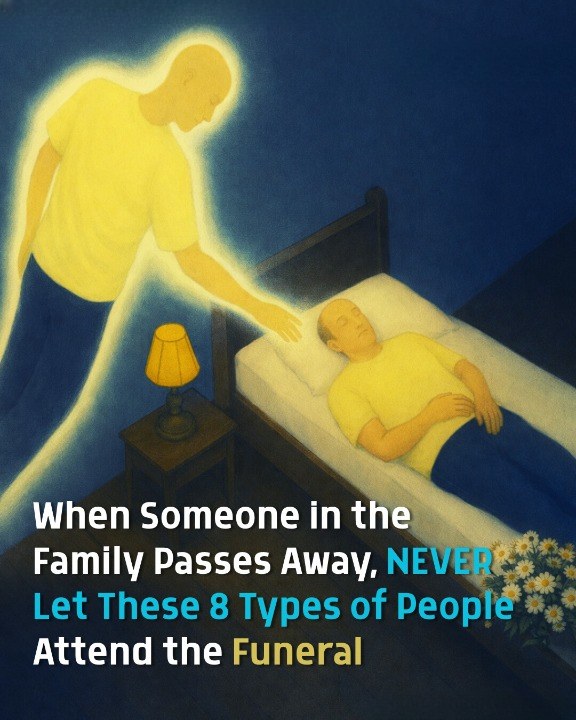
When someone we love dies, the world does not simply continue as before. It changes shape.
Sounds feel louder. Quiet moments feel heavier. Time moves strangely—sometimes racing, sometimes standing completely still. In grief, even ordinary interactions can feel overwhelming. Familiar faces can exhaust us. Simple conversations can feel impossible.
In that fragile emotional state, the last thing a grieving family should have to endure is avoidable pain—especially pain caused by individuals whose presence brings distress rather than comfort.
A funeral is often described as a gathering, but it is not a social occasion in the traditional sense. It is not a performance, a reunion, or an open forum. Most importantly, it is not a space where everyone automatically has a right to be present.
Sometimes, honoring the life that has ended and protecting the people left behind requires clear, firm, and sometimes uncomfortable boundaries. Setting those boundaries is not cruel. It is an act of care.
This article explores why boundaries at funerals are necessary, and outlines eight types of individuals whose presence can cause genuine emotional harm, along with reasons it is acceptable—and often healthy—to say no.
Understanding the Purpose of a Funeral
Before discussing who should not attend a funeral, it is important to understand what a funeral is truly for.
A funeral exists for three primary reasons:
To honor and remember the person who has died
To provide a safe space for grief
To support those most deeply affected by the loss
It is not designed to settle conflicts, rewrite history, or satisfy social expectations. While many people attend funerals with good intentions, not every presence contributes to healing.
Grief makes people vulnerable. That vulnerability deserves protection.
- Individuals Who Caused Harm to the Deceased
Some wounds do not disappear when life ends.
If a person caused significant harm to the deceased—through abuse, neglect, betrayal, or long-term emotional damage—their presence at the funeral can reopen painful memories for those who witnessed or supported the deceased through that suffering.
Watching such individuals stand quietly, receive sympathy, or express regret can feel deeply distressing. In some cases, it may feel like a denial of the harm that occurred.
For loved ones who spent years protecting, supporting, or caring for the deceased, this can be retraumatizing.
No one should be forced to relive trauma in the act of saying goodbye.
Excluding someone who caused harm is not about revenge. It is about preventing further emotional injury at a moment when resilience is already stretched thin.
- Toxic or Abusive Family Members
Family relationships are complex. Sharing blood does not guarantee safety, respect, or kindness.
Some relatives consistently bring criticism, manipulation, control, or emotional volatility into every space they occupy. These patterns do not pause for grief. In fact, grief can amplify them.
A toxic family member may:
Dismiss others’ feelings
Dominate conversations
Create tension or conflict
Attempt to control decisions
Recenter attention on themselves
A funeral should be a place of gentleness. It should allow mourners to lower their defenses, not raise them.
No one should have to remain emotionally guarded while mourning the loss of someone they love.
Protecting the emotional safety of the grieving is not disrespectful—it is necessary.
- People Who Turn Grief Into Conflict
Some individuals struggle to remain peaceful in emotionally charged environments.
They correct stories.
They argue over details.
They reopen old disputes.
They challenge decisions or authority.
A funeral is not the time or place for unresolved conflicts. It is not a courtroom or a negotiation table.
Conflict during a funeral does lasting damage. The memories associated with that goodbye cannot be rewritten. Once tension enters the space, it can overshadow everything else.
Grief requires stillness. It requires room to breathe.
If someone is known to provoke arguments or escalate tension, it is reasonable to prevent that disruption in advance.
- Those Who Attend for the Wrong Reasons
Not everyone attends a funeral out of love or respect.