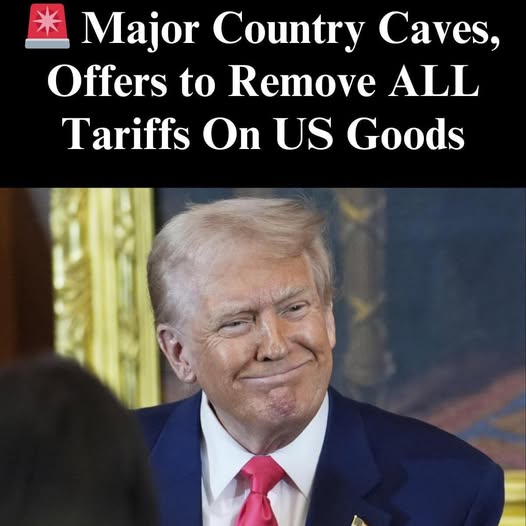
The United States economy found itself at the center of global attention this week following a series of developments that touched on international trade, domestic job growth, and broader economic policy. President Donald Trump announced that Vietnam’s top political leader had expressed willingness to eliminate tariffs on Vietnamese goods as part of potential negotiations with the United States. The statement came amid heightened trade tensions and coincided with the release of a closely watched U.S. employment report showing stronger-than-expected job growth in March.
Together, these events fueled discussion among investors, economists, policymakers, and the general public about the direction of the U.S. economy, the effectiveness of trade policy, and the potential implications for inflation, employment, and global supply chains.
A Key Trade Development With Vietnam
On Friday morning, President Trump shared details of a phone call with To Lam, the General Secretary of the Communist Party of Vietnam. According to the president, the conversation focused on trade relations between the two countries, particularly tariffs imposed earlier in the week by the United States on Vietnamese imports.
Trump stated that To Lam conveyed Vietnam’s interest in reducing its tariffs on U.S. goods to zero, provided that both nations could reach a mutually beneficial agreement. The president characterized the conversation as productive and expressed optimism about continued dialogue, including a potential in-person meeting in the near future.
The announcement quickly gained attention, not only because of its diplomatic implications but also due to its potential impact on global trade patterns. Vietnam has become an increasingly important manufacturing hub over the past decade, especially as companies diversify production away from China. As a result, any changes in trade policy involving Vietnam can have ripple effects across multiple industries.
Market Reaction and Investor Confidence
Financial markets responded almost immediately to the news. Shares of companies with significant manufacturing operations in Vietnam moved higher following Trump’s announcement. Nike, which produces a substantial portion of its footwear and apparel in the country, saw its stock price rise by more than four percent.
Market analysts noted that investors appeared encouraged by the possibility of reduced trade barriers, which could lower costs for multinational companies and stabilize supply chains that have faced disruptions in recent years. While no formal agreement has been announced, even the prospect of negotiations was enough to influence investor sentiment.
This reaction underscored the degree to which markets remain sensitive to trade policy signals, particularly when they involve major manufacturing centers. For many businesses, tariffs affect pricing, sourcing decisions, and long-term investment strategies, making clarity and predictability especially valuable.
The Broader Context of U.S.–Vietnam Trade
Trade between the United States and Vietnam has grown substantially over the past two decades. Vietnam is now one of America’s largest trading partners in Southeast Asia, exporting a wide range of goods including electronics, textiles, footwear, furniture, and machinery.
At the same time, the trade relationship has not been without friction. U.S. officials have periodically raised concerns about trade imbalances, currency practices, and market access. The recent decision to impose tariffs of up to 46 percent on certain Vietnamese imports represented one of the most significant escalations in trade tensions between the two nations.