When hair follicles become clogged, acne develops. Acne on the jawline can be caused by a variety of factors, such as genetics, medical conditions, and certain medications.You might be able to use over-the-counter medications to treat acne on your jawline. But in more serious situations,
Medication may be prescribed by your physician. It may take a few weeks to see results, depending on the acne’s severity and the type of treatment used.The causes and risk factors for jawline acne are covered in greater detail in this article. In addition, it covers topics like treatment opinions, when to call a doctor, and more.
What leads to acne on the jawline? – Naturally occurring oils produced by the sebaceous glands lubricate your skin. Through the pores of the hair follicles, the sebaceous glands transport these oils to the skin’s surface. These pores can become clogged by dead skin cells, hair, and excess dirt.
Inflammation can also result from bacteria that live on the skin’s surface growing into clogged pores.Acne or pimples may eventually result from this.
Acne can appear almost anywhere on the face, but there is one particular area that seems to cause endless frustration for many people: the jawline.
Those stubborn spots around the chin, lower cheeks and jaw can be difficult to get rid of, often returning just when you think your skin is finally clearing up. And while many people assume breakouts are simply caused by poor skincare or not washing their face properly, the reality is considerably more complicated.
Jawline acne can be triggered by several factors, including genetics, hormonal changes, certain medical conditions and even medications. For some people, it might be an occasional breakout, while others experience persistent, painful spots that seem almost impossible to shift.
So, what is actually happening beneath the skin when these annoying pimples appear, and more importantly, what can you do about them?
What Actually Causes Acne Along The Jawline?
To understand why jawline acne develops, it helps to look at what is happening inside your skin.
Your skin naturally produces an oily substance called sebum, which is released by tiny glands known as sebaceous glands. Sebum plays an important role in keeping the skin lubricated and protecting it from drying out.
These glands release oil through tiny openings connected to hair follicles, allowing it to reach the surface of your skin.
However, problems can arise when too much oil builds up.
Dead skin cells, excess sebum, dirt and other debris can accumulate inside hair follicles, blocking the pores and creating the perfect environment for acne to develop.
Bacteria that naturally live on the skin can also multiply inside these blocked pores, triggering inflammation.
The result? Red bumps, whiteheads, blackheads and, in some cases, deeper and more painful spots.
Although this process can happen anywhere on the face, breakouts around the jawline and chin are particularly common.
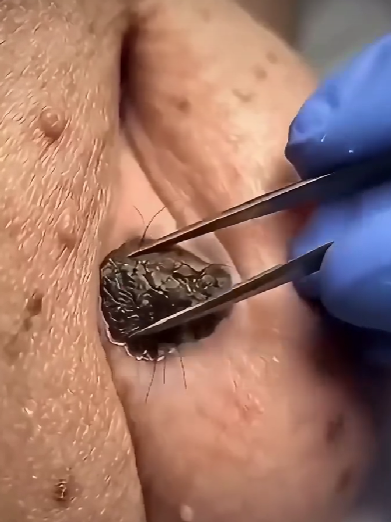
Could Hormones Be Behind Your Jawline Acne?
One of the biggest factors associated with acne around the lower face is hormonal activity.
Hormones called androgens can stimulate the sebaceous glands, encouraging them to produce more oil. When excess oil combines with dead skin cells, the chances of blocked pores and breakouts increase.
This is one reason why some people notice their acne becoming worse around certain stages of their menstrual cycle.
Hormonal fluctuations can also occur during puberty, pregnancy and other periods of significant hormonal change.
For some women, persistent acne around the chin and jawline may be associated with conditions such as polycystic ovary syndrome (PCOS), which can involve increased androgen activity.
However, having acne along your jawline does not automatically mean you have a hormonal disorder.
The location of a breakout alone cannot establish its cause, and several different factors can contribute to the same problem.
Other Everyday Factors That Could Be Making Things Worse
Hormones are not the only possible explanation for recurring jawline breakouts.
Certain everyday habits and environmental factors may also contribute to acne or aggravate existing spots.
These include:
- Touching your face: Your hands can transfer oil, dirt and other substances onto your skin. Repeatedly touching or picking at spots can also worsen irritation.
- Heavy skincare products: Some moisturisers, oils and cosmetics may contribute to blocked pores, particularly if they are not suitable for acne-prone skin.
- Friction: Tight clothing, helmet straps, face coverings and anything repeatedly rubbing against the jawline can irritate the skin and contribute to breakouts.
- Haircare products: Certain styling creams, conditioners and oils can come into contact with the lower face and contribute to clogged pores.
- Stress: Stress does not directly cause every breakout, but it can influence hormonal activity and aggravate existing acne.
- Certain medications: Some prescription medicines can trigger or worsen acne in susceptible individuals.
Genetics can also play a role. If acne runs in your family, you may have a greater tendency towards developing clogged pores and inflammatory breakouts.
How Can You Get Rid Of Jawline Acne?
The good news is that jawline acne can often be managed with the right treatment.
However, there is no single solution that works for everyone. The best approach depends on the type of acne, how severe it is and what may be triggering it.
For mild breakouts, over-the-counter skincare treatments can be a useful starting point.
Ingredients worth knowing about include:
Benzoyl peroxide: This ingredient helps reduce acne-causing bacteria and inflammation. It is commonly available in washes and creams, although it can cause dryness, irritation and bleaching of fabrics.
Salicylic acid: Often used in acne cleansers and treatments, salicylic acid helps remove dead skin cells and clear blocked pores.
Adapalene: This topical retinoid helps regulate skin cell turnover and prevent pores from becoming clogged. It can be particularly useful for recurring blackheads, whiteheads and inflammatory acne.
Azelaic acid: This ingredient can help with acne and post-inflammatory dark marks while generally being a useful option for people who struggle with irritation from other treatments.
It is important not to introduce several strong acne treatments at once. Starting gradually and using a gentle moisturiser can help reduce irritation.
A non-comedogenic sunscreen is also important, particularly when using ingredients that can make your skin more sensitive.
What If Over-The-Counter Treatments Do Not Work?
For more persistent or severe jawline acne, a dermatologist or physician may recommend prescription treatment.
Depending on the cause and severity, options can include stronger topical retinoids, prescription benzoyl peroxide combinations, topical or oral antibiotics, or hormonal treatments.
For some women with acne linked to androgen activity, a doctor may consider treatments such as certain combined oral contraceptives or spironolactone.
In particularly severe cases, isotretinoin may be considered under specialist supervision.
These treatments are not suitable for everyone, and some require monitoring because of potential side effects and pregnancy-related risks.
It is also worth remembering that antibiotics are generally not recommended as a long-term standalone acne treatment because of the risk of antibiotic resistance.
A medical professional can help determine which option is most appropriate.
How Long Does It Take For Jawline Acne To Clear?
Unfortunately, getting rid of acne is rarely an overnight process.
Even when you find a treatment that works, your skin needs time to respond.
Many acne treatments take around six to eight weeks before noticeable improvements begin, while more significant results can take several months.
This is particularly important for people who repeatedly switch products after only a few days because they cannot see an immediate difference.
Consistency matters.
Following a simple skincare routine, avoiding excessive exfoliation and giving treatments enough time to work can make a considerable difference.
