Acne is often considered a teenage skin problem, but breakouts can continue well into adulthood. For some people, occasional pimples disappear with basic skincare. For others, acne becomes persistent, painful, and difficult to manage, even after trying multiple over-the-counter products.
If you regularly experience deep, painful cysts, hard nodules, or stubborn adult acne, it may be time to consult a dermatologist.
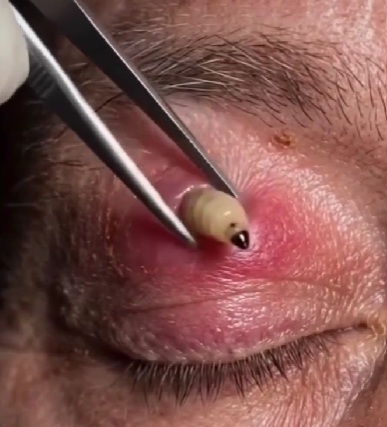
The Importance of Treating Severe Acne: Risks, Long-Term Consequences, and Effective Medical Treatments
Introduction
Acne is one of the most common skin conditions worldwide, affecting millions of people of different ages. Although it is frequently associated with adolescence, acne can develop at almost any stage of life, including adulthood. For some individuals, acne appears as occasional pimples or mild breakouts that disappear without leaving noticeable marks. However, for others, it can become a persistent and severe skin condition that requires professional medical attention.
Severe acne is more than a cosmetic concern. It is an inflammatory skin disease that can affect the deeper layers of the skin, causing painful lesions, significant inflammation, permanent scarring, and long-lasting changes in skin pigmentation. When severe acne is ignored or left untreated for extended periods, the risk of developing permanent skin damage increases considerably.
Many people underestimate the seriousness of acne, assuming that it will eventually disappear on its own. While some mild cases may improve naturally, severe and persistent acne often requires an appropriate treatment plan developed by a qualified dermatologist. Delaying treatment can allow inflammation to continue damaging the skin, making future treatment more complicated and potentially reducing the chances of preventing permanent scars.
Fortunately, modern dermatology offers several effective medical treatments that can help control acne, reduce inflammation, prevent new breakouts, and improve the overall appearance and health of the skin. Depending on the severity of the condition, treatment options may include topical medications, oral antibiotics, hormonal therapies, retinoids, and specialized dermatological procedures.
Understanding the causes, warning signs, potential complications, and available treatments is essential for anyone experiencing persistent or severe acne.
What Is Severe Acne?
Acne develops when hair follicles become clogged with oil, dead skin cells, and sometimes bacteria. The skin naturally produces an oily substance called sebum, which helps protect and moisturize the skin. However, when excessive sebum combines with dead skin cells inside the pores, blockages can occur.
These blocked pores create an environment in which inflammation can develop. The presence of Cutibacterium acnes, a bacterium naturally found on human skin, can contribute to the inflammatory process.
Acne can appear in several different forms, including:
- Whiteheads: Small, closed pores containing trapped oil and dead skin cells.
- Blackheads: Open clogged pores in which the material inside darkens after exposure to air.
- Papules: Small, red, inflamed bumps that may feel tender.
- Pustules: Inflamed pimples containing visible pus.
- Nodules: Large, painful, solid lumps that develop deeper beneath the skin.
- Cysts: Deep, inflamed lesions that may contain pus and carry a significant risk of scarring.
Severe acne is commonly characterized by numerous inflammatory lesions, painful nodules, cysts, and widespread breakouts. It may affect the face, chest, shoulders, back, and other areas where oil-producing glands are particularly active.
Unlike mild acne, which often responds to basic skincare products, severe acne frequently requires prescription medication and professional dermatological supervision.
Why Ignoring Severe Acne Can Be Dangerous
One of the biggest mistakes people make when dealing with severe acne is postponing treatment. They may believe that acne is simply a temporary skin problem or that it can be controlled through regular face washing and cosmetic products.
Unfortunately, untreated severe acne can cause ongoing inflammation that damages the skin’s natural structure.
The longer inflammatory acne remains active, the greater the opportunity for deeper lesions to develop and damage surrounding tissue. This can eventually result in permanent scars, persistent pigmentation changes, and uneven skin texture.
Early treatment is therefore important not only for reducing visible breakouts but also for protecting the skin against long-term complications.
1. Increased Risk of Permanent Acne Scarring
Permanent scarring is one of the most significant complications associated with severe acne.
When acne lesions become deeply inflamed, they can damage the collagen and other structural components responsible for maintaining the skin’s smooth appearance. During the healing process, the body attempts to repair this damage. However, the healing process does not always restore the skin perfectly.
In some cases, too little collagen is produced, creating depressed scars. In other cases, excessive collagen production results in raised scars.
There are several common types of acne scars.
Atrophic Scars
Atrophic scars are depressed areas of the skin caused by insufficient collagen production during healing. They are among the most common types of permanent acne scars.
They can be divided into three main categories:
- Ice pick scars: Narrow, deep scars that create small holes in the skin.
- Boxcar scars: Wider depressions with clearly defined edges and a box-like appearance.
- Rolling scars: Broad, shallow depressions that create an uneven or wavy skin texture.
These scars can be particularly difficult to treat because they involve structural damage beneath the skin’s surface.
Hypertrophic Scars
Hypertrophic scars develop when the body produces too much collagen during the healing process. They appear raised above the surrounding skin but generally remain within the boundaries of the original acne lesion.
Keloid Scars
Keloids are raised scars that extend beyond the original area of skin damage. They may continue growing over time and can sometimes cause itching, discomfort, or tenderness.
People with a genetic tendency to develop keloids may be more susceptible to this type of scarring.
Why Early Treatment Matters
Treating severe acne before extensive scarring develops is generally easier than attempting to correct established scars later.
Although dermatological procedures can improve the appearance of existing scars, complete removal is not always possible. Treatments may include microneedling, laser procedures, chemical reconstruction techniques, subcision, and other specialist interventions.
Preventing severe inflammation in the first place remains one of the most effective ways to reduce the risk of permanent scarring.
2. Persistent Dark Spots and Hyperpigmentation
Another common consequence of inflammatory acne is post-inflammatory hyperpigmentation, often abbreviated as PIH.
This condition occurs when inflammation stimulates pigment-producing cells in the skin, resulting in areas of increased melanin production.
After an acne lesion heals, the skin may be left with flat marks that appear brown, dark brown, greyish, or sometimes purple, depending on skin tone and the depth of pigmentation.
These marks are not necessarily permanent scars because they do not involve the same structural damage. However, they can remain visible for months and sometimes longer.
Post-inflammatory hyperpigmentation is particularly common in individuals with medium to darker skin tones.
Factors That Can Make Dark Spots Worse
Several factors can contribute to more noticeable or persistent pigmentation:
- Repeated inflammation caused by untreated acne.
- Picking, squeezing, or scratching pimples.
- Excessive sun exposure.
- Using irritating skincare products.
- Applying aggressive exfoliating treatments.
- Delaying appropriate acne treatment.
Sun exposure can make existing dark marks more noticeable and prolong their appearance.
For this reason, daily broad-spectrum sunscreen with SPF 30 or higher is an important part of acne and pigmentation management.
Treatments for Post-Inflammatory Hyperpigmentation
Dermatologists may recommend several treatments to improve uneven skin tone, including:
- Azelaic acid.
- Retinoids.
- Niacinamide.
- Vitamin C.
- Selected chemical exfoliants.
- Professional dermatological procedures when appropriate.
The correct treatment depends on skin type, pigmentation depth, acne activity, and individual tolerance.
It is important to avoid aggressive treatments without professional guidance because irritation can worsen pigmentation, particularly in individuals prone to post-inflammatory dark spots.
3. Ongoing Skin Inflammation
Severe acne is an inflammatory condition. When it remains untreated, inflammation can continue affecting the skin for extended periods.
Inflammation is part of the body’s natural defense and repair process. However, persistent inflammation can damage surrounding skin tissue and interfere with normal healing.
Deep inflammatory lesions, especially nodules and cysts, may cause tenderness, swelling, redness, and discomfort.
In some individuals, new lesions develop before older ones have healed, creating a continuous cycle of inflammation.
This cycle can make acne increasingly difficult to manage.
How Chronic Inflammation Damages the Skin
Inflammatory acne can affect several components of the skin:
- The walls of clogged follicles can become weakened or rupture.
- Inflammatory substances can spread into surrounding tissue.
- The immune system responds by activating inflammatory cells.
- Tissue damage can occur during prolonged or intense inflammation.
- The healing process may result in permanent scarring or pigmentation changes.
This process explains why deep inflammatory acne carries a greater risk of permanent complications than occasional superficial pimples.
Reducing inflammation through appropriate treatment is therefore a central goal of acne management.
4. Physical Discomfort and Pain
Severe acne can cause more than visible skin changes. Large nodules and cysts may be painful, particularly when touched or when pressure is applied to affected areas.
Some individuals experience persistent tenderness, swelling, and irritation that interfere with daily activities.
Acne on the back and shoulders can make wearing certain clothing uncomfortable. Facial acne may cause discomfort during shaving, washing, or applying skincare products.
Inflamed lesions can also become irritated through friction, sweating, or repeated physical contact.
In some cases, severe acne may lead to secondary bacterial infection, particularly when lesions are repeatedly squeezed or manipulated.
People should avoid attempting to drain deep acne lesions at home because doing so can increase inflammation, tissue damage, infection risk, and scarring.
5. Emotional and Psychological Effects of Severe Acne
The effects of severe acne are not limited to physical appearance.
Skin conditions that are highly visible can significantly influence confidence, emotional well-being, and social interactions.
People experiencing severe acne may feel embarrassed, frustrated, or uncomfortable in social situations. Some may avoid photographs, social gatherings, or activities where their skin becomes more noticeable.
Persistent breakouts can also contribute to:
- Reduced self-confidence.
- Social anxiety.
- Feelings of embarrassment.
- Emotional distress.
- Negative body image.
- Symptoms of depression.
- Reduced quality of life.
These effects should never be dismissed as superficial concerns.
Acne is a legitimate medical condition, and its psychological impact can be substantial.
Seeking professional treatment may improve both skin health and emotional well-being. Individuals experiencing significant anxiety, depression, or social withdrawal should also consider discussing these concerns with a healthcare professional.
What Causes Severe Acne?
Acne develops through several interconnected biological processes. It is not caused by poor hygiene alone.
In fact, excessive washing and aggressive scrubbing can irritate the skin and make inflammation worse.
Several factors can contribute to severe acne.
1. Hormonal Changes
Hormones play an important role in regulating sebum production.
Androgens, including testosterone, can stimulate oil-producing glands, increasing the amount of sebum released into the skin.
Hormonal fluctuations during puberty, menstruation, pregnancy, and certain medical conditions can influence acne development.
Hormonal acne frequently appears around the jawline, chin, and lower face, although it can occur in other areas.
2. Excessive Sebum Production
Sebum is necessary for maintaining healthy skin, but excessive production can contribute to clogged pores.
When excess oil combines with dead skin cells, the likelihood of follicular blockages increases.
People with naturally oily skin may therefore be more prone to certain types of acne.
3. Accumulation of Dead Skin Cells
Skin cells are continuously renewed and naturally shed from the skin’s surface.
However, when dead skin cells accumulate inside hair follicles, they can combine with sebum and create comedones.
This process contributes to the development of blackheads, whiteheads, and inflammatory lesions.
4. Bacterial Activity
Cutibacterium acnes is a bacterium that naturally lives on human skin.
Although its presence alone does not cause acne, changes within clogged follicles can promote inflammatory activity involving this bacterium.
Modern acne treatment therefore focuses on multiple processes rather than simply attempting to eliminate bacteria.
5. Genetic Factors
Genetics can influence skin characteristics, oil production, inflammatory responses, and susceptibility to severe acne.
Individuals with parents or siblings who experienced significant acne may have an increased likelihood of developing similar problems.
6. Stress
Psychological stress may influence hormonal and inflammatory pathways that can aggravate acne in some individuals.
Stress does not directly cause every acne outbreak, but it may contribute to worsening symptoms in people who are already susceptible.
7. Certain Medications
Some medications can trigger or worsen acne-like eruptions.
Examples include certain corticosteroids, testosterone-related treatments, and selected other medications.
Anyone who suspects that a prescribed medication is affecting their skin should speak with their healthcare provider rather than stopping treatment independently.
8. Skincare and Cosmetic Products
Some heavy or pore-clogging cosmetic products may contribute to breakouts.
People prone to acne should generally choose products labeled non-comedogenic and avoid skincare routines that cause excessive irritation.
Effective Medical Treatments for Severe Acne
The good news is that severe acne can often be controlled with appropriate medical treatment.
Modern dermatology offers several therapeutic approaches designed to reduce oil production, prevent clogged pores, control inflammation, and decrease the risk of permanent scarring.
Treatment selection depends on the type and severity of acne, the patient’s age, medical history, pregnancy considerations, and previous responses to treatment.
A dermatologist may recommend one medication or combine several treatments to achieve better results.
1. Topical Retinoids
Topical retinoids are among the most important treatments used in acne management.
These vitamin A derivatives help regulate skin cell turnover and prevent dead skin cells from accumulating inside hair follicles.
They can reduce the formation of new comedones and help control inflammatory acne.
Common topical retinoids include:
- Adapalene.
- Tretinoin.
- Tazarotene.
Topical retinoids are particularly useful for preventing clogged pores and maintaining long-term acne control.
Benefits of Topical Retinoids
Their potential benefits include:
- Preventing new clogged pores.
- Reducing blackheads and whiteheads.
- Improving inflammatory acne as part of combination therapy.
- Supporting long-term acne management.
- Improving certain forms of post-inflammatory discoloration.
However, topical retinoids may initially cause dryness, redness, peeling, and irritation.
Treatment should generally begin according to a dermatologist’s instructions, often with gradual introduction to improve tolerance.
Topical retinoids are generally avoided during pregnancy.
2. Benzoyl Peroxide
Benzoyl peroxide is a widely used topical acne treatment that helps reduce acne-associated bacterial activity and inflammation.
It works through an oxidative mechanism that helps decrease Cutibacterium acnes populations within affected follicles.
It can be particularly effective for inflammatory acne and is frequently combined with other medications.
Benzoyl peroxide is available in different formulations, including:
- Cleansers.
- Creams.
- Gels.
- Washes.
It is commonly used alongside topical retinoids or topical antibiotics.
One important advantage is that benzoyl peroxide helps reduce the risk of antibiotic resistance when used with topical antibiotics.
Possible side effects include dryness, irritation, redness, and bleaching of fabrics.
3. Topical Antibiotics
Topical antibiotics may be prescribed for certain cases of inflammatory acne.
Clindamycin is one example.
These medications help reduce acne-associated bacterial activity and inflammation.
However, topical antibiotics should generally not be used alone because doing so can contribute to antibiotic resistance.
Dermatologists commonly combine them with benzoyl peroxide to improve treatment effectiveness and reduce resistance risks.
The duration of antibiotic treatment should be limited according to medical guidance.
4. Oral Antibiotics
For moderate to severe inflammatory acne, oral antibiotics may be recommended.
These medications help reduce bacterial activity and inflammatory processes affecting the skin.
Doxycycline is one of the most commonly prescribed oral antibiotics for inflammatory acne.
Other options may be considered depending on the patient’s circumstances and local clinical guidelines.
How Oral Antibiotics Help
Oral antibiotics can:
- Reduce inflammatory acne lesions.
- Decrease redness and swelling.
- Improve painful inflammatory breakouts.
- Help control widespread acne affecting the face, chest, and back.
They are generally used for a limited period and combined with non-antibiotic topical treatments.
Antibiotics are not intended to provide a permanent solution on their own. Maintenance treatment is often necessary to prevent acne from returning.
Doxycycline can increase sensitivity to sunlight and may cause gastrointestinal side effects. It is generally avoided during pregnancy.
5. Isotretinoin: A Powerful Treatment for Severe Acne
Isotretinoin is one of the most effective medical treatments available for severe acne.
It is an oral retinoid derived from vitamin A and is commonly considered for patients with severe nodular acne, acne that causes scarring, or acne that has not responded adequately to other treatments.
Unlike many other acne medications, isotretinoin targets several major mechanisms responsible for acne development.
How Isotretinoin Works
Isotretinoin can:
- Significantly reduce sebaceous gland activity.
- Decrease sebum production.
- Reduce the formation of clogged pores.
- Influence the follicular environment associated with acne.
- Reduce inflammatory acne lesions.
By addressing multiple contributing factors simultaneously, isotretinoin can produce substantial and sometimes long-lasting improvement.
Many patients experience major reductions in severe acne after completing an appropriately supervised course of treatment.
Who May Need Isotretinoin?
A dermatologist may consider isotretinoin for individuals who have:
- Severe nodular or cystic acne.
- Acne associated with significant scarring.
- Persistent inflammatory acne despite appropriate treatment.
- Severe acne that substantially affects quality of life.
Important Safety Considerations
Isotretinoin requires careful medical supervision.
Common side effects include:
- Dry lips.
- Dry skin.
- Dry eyes.
- Nose dryness.
- Increased sensitivity or irritation.
It can also cause changes in certain blood test results, including liver enzymes and blood lipid levels.
The most important safety concern is its severe risk of causing birth defects if taken during pregnancy.
People who can become pregnant must follow strict pregnancy prevention and testing requirements established by their healthcare provider and local regulations.
Patients should discuss mood changes, other medications, and all potential side effects with their dermatologist.
Isotretinoin should never be taken without a prescription and appropriate medical monitoring.
6. Hormonal Treatments
Hormonal treatments can be particularly helpful for women experiencing acne associated with androgen activity.
Hormones influence sebum production, and reducing their effects on oil-producing glands may improve acne.
Two commonly considered approaches include combined oral contraceptive pills and spironolactone.
Combined Oral Contraceptives
Certain combined contraceptive pills can reduce androgen-related stimulation of sebaceous glands.
They may help women who experience persistent acne, particularly when breakouts are associated with hormonal fluctuations.
However, these medications are not appropriate for everyone and require an assessment of individual health risks.
Spironolactone
Spironolactone is a medication that blocks certain effects of androgens.
It is frequently used in adult women with persistent hormonal acne.
Potential benefits include:
- Reduced oil production.
- Fewer inflammatory breakouts.
- Improvement in acne around the jawline and chin.
- Better long-term control of hormonally influenced acne.
Possible side effects include menstrual irregularities, breast tenderness, dizziness, and elevated potassium levels in susceptible individuals.
Medical assessment is necessary before starting treatment.
Spironolactone is generally avoided during pregnancy.
7. Azelaic Acid
Azelaic acid is another useful treatment for acne and post-inflammatory hyperpigmentation.
It has anti-inflammatory and antibacterial properties and can help regulate abnormal follicular keratinization.
It may be especially beneficial for people who experience both acne and dark spots after breakouts.
Potential benefits include:
- Reducing inflammatory acne.
- Improving clogged pores.
- Helping fade post-inflammatory pigmentation.
- Supporting a more even skin tone.
Azelaic acid is often well tolerated, although some individuals may experience mild burning, itching, or irritation.
8. Chemical Peels
Professional chemical peels are sometimes used as an additional treatment for acne and post-inflammatory pigmentation.
They involve applying carefully selected chemical solutions to the skin to promote controlled exfoliation.
Common ingredients include salicylic acid and glycolic acid.
Chemical peels may help:
- Improve clogged pores.
- Reduce certain forms of superficial acne.
- Improve uneven skin texture.
- Reduce the appearance of superficial pigmentation.
However, chemical peels are not a substitute for controlling severe active acne.
They should be selected and performed by appropriately trained professionals because overly aggressive treatment can cause irritation, burns, and additional pigmentation.
9. Laser and Light-Based Treatments
Certain laser and light-based procedures may be used as complementary treatments for acne.
Depending on the technology, these treatments can target inflammation, acne-associated bacteria, oil-producing glands, or residual redness.
Examples include selected pulsed-light and laser technologies.
Some procedures may improve active inflammatory acne, while others are primarily intended to address acne scars or discoloration.
Results vary depending on the device, skin type, acne severity, and treatment protocol.
Laser procedures should be selected carefully, particularly for individuals with darker skin tones who may be more susceptible to post-inflammatory pigmentation.
10. Dermatological Treatments for Acne Scars
When acne has already caused permanent scarring, dermatologists can recommend specialized procedures to improve skin texture.
Although scars cannot always be completely eliminated, many treatments can make them less noticeable.
Microneedling
Microneedling involves creating controlled microscopic injuries in the skin using specialized devices.
This stimulates the skin’s wound-healing response and encourages collagen remodeling.
It may improve the appearance of certain atrophic acne scars.
Fractional Laser Resurfacing
Fractional laser treatments create controlled zones of thermal injury that stimulate collagen remodeling.
They may improve uneven texture, depressed scars, and certain pigmentation concerns.
The choice of laser depends on the patient’s skin type and scar characteristics.
Subcision
Subcision is a procedure used for certain depressed acne scars.
A specialized needle is introduced beneath the scar to release fibrous bands that pull the skin downward.
This can improve the appearance of rolling scars.
Chemical Reconstruction Techniques
Certain specialized chemical techniques can be used to treat selected deep acne scars, particularly ice pick scars.
These procedures require professional expertise and careful patient selection.
Dermal Fillers
In selected cases, dermal fillers can help improve the appearance of depressed acne scars by restoring volume beneath the skin.
Their effects may be temporary or vary according to the material used.
A dermatologist may combine different procedures because different scar types respond to different treatments.
The Importance of an Appropriate Daily Skincare Routine
Medical treatment is often the foundation of managing severe acne, but an appropriate skincare routine can support treatment and help maintain healthy skin.
The goal should be to protect the skin barrier while avoiding unnecessary irritation.
Morning Routine
A simple morning skincare routine may include:
- Gentle cleanser: Removes excess oil and impurities without excessively drying the skin.
- Treatment product: Apply prescribed medication or an appropriate acne-supporting product.
- Moisturizer: Helps maintain the skin barrier and reduce dryness.
- Sunscreen: Use broad-spectrum SPF 30 or higher to protect against ultraviolet radiation and reduce the worsening of pigmentation.
Evening Routine
An evening routine may include:
- Gentle cleansing.
- Application of prescribed topical acne medication.
- Moisturizer to reduce dryness and irritation.
Not every active ingredient needs to be used every day. The correct frequency depends on the treatment and the patient’s tolerance.
Combining too many active products can damage the skin barrier and make acne management more difficult.
Lifestyle Factors That May Influence Acne
Although acne is primarily influenced by biological and hormonal processes, certain lifestyle factors may contribute to its severity.
Lifestyle changes cannot replace medical treatment for severe acne, but they may support overall skin health.
1. Healthy Nutrition
Research suggests that certain dietary patterns may influence acne in some individuals.
Foods with a high glycemic load may contribute to acne in susceptible people by influencing insulin and related hormonal pathways.
Some studies have also identified an association between acne and certain dairy products, although the relationship is not fully understood.
A balanced diet containing vegetables, fruits, whole grains, healthy fats, and adequate protein supports general health.
There is no universal acne diet, and eliminating entire food groups is generally unnecessary without a clear reason or professional guidance.
2. Managing Stress
Chronic stress may aggravate acne in some individuals.
Activities such as regular exercise, adequate sleep, relaxation techniques, and maintaining a balanced daily routine may support emotional well-being.
3. Getting Enough Sleep
Sleep is important for normal immune function, hormonal regulation, and tissue repair.
Although poor sleep is not a direct cause of every acne outbreak, maintaining consistent sleep habits supports general health.
4. Avoiding Excessive Touching and Picking
Picking, squeezing, or scratching acne lesions can increase inflammation and damage surrounding skin.
This may increase the likelihood of permanent scarring and post-inflammatory hyperpigmentation.
Allowing lesions to heal naturally, while following an appropriate treatment plan, is generally safer.
5. Choosing Appropriate Skincare Products
People with acne-prone skin should consider products labeled non-comedogenic.
Heavy cosmetic formulations and irritating products may aggravate breakouts in some individuals.
Gentle skincare is generally preferable to aggressive scrubbing and excessive exfoliation.
When Should You See a Dermatologist?
Not all acne requires prescription treatment, but certain warning signs indicate that professional assessment is important.
You should consider consulting a dermatologist if:
- Acne is severe, widespread, or persistent.
- Large painful nodules or cysts develop.
- New acne scars are appearing.
- Dark marks remain after breakouts heal.
- Over-the-counter treatments have not produced improvement.
- Acne is affecting your confidence or emotional well-being.
- Breakouts are associated with other possible hormonal symptoms.
- Acne suddenly becomes significantly worse.
Early consultation can help identify the most appropriate treatment and reduce the risk of permanent skin damage.
A dermatologist can evaluate acne severity, identify possible contributing factors, and develop a treatment plan based on individual needs.
How Long Does Acne Treatment Take?
One important thing to understand is that acne treatment requires patience.
Many people expect their skin to improve within a few days. However, most acne medications need several weeks before noticeable improvements become apparent.
In general:
- Initial improvements may become visible after approximately 4–8 weeks.
- More substantial improvement often requires 8–12 weeks.
- Severe acne may require several months of treatment.
- Maintenance treatment may be necessary to prevent new breakouts.
These timelines vary depending on the medication, acne severity, and individual response.
Patients should follow their prescribed treatment plan consistently and avoid switching products too frequently.
If treatment causes significant irritation or does not appear to be working, a dermatologist should reassess the approach.
Common Mistakes That Can Make Severe Acne Worse
Many individuals unintentionally worsen their acne by using inappropriate skincare methods or delaying medical care.
Some common mistakes include:
Overwashing the Face
Washing the face excessively does not eliminate the underlying causes of acne.
Instead, it can damage the skin barrier, increase irritation, and worsen discomfort.
Using Too Many Active Ingredients
Combining multiple exfoliating acids, retinoids, and acne treatments without guidance may lead to excessive irritation.
A simpler routine is often more effective and easier to maintain.
Squeezing Pimples
Squeezing inflammatory lesions can push their contents deeper into surrounding tissue and increase inflammation.
This may increase the risk of scarring and pigmentation.
Ignoring Deep Acne Lesions
Large, painful nodules and cysts should not be treated as ordinary pimples.
They may require prescription medication to prevent further tissue damage.
Relying Only on Cosmetic Products
Cosmetic skincare products can support acne management, but they are not always sufficient for severe inflammatory acne.
Prescription treatments may be necessary.
Stopping Treatment Too Early
Acne often improves gradually.
Stopping treatment as soon as the first improvements appear may allow new breakouts to develop.
Maintenance therapy should be discussed with a dermatologist.
Can Severe Acne Be Prevented?
Not every case of severe acne can be prevented because genetics, hormonal factors, and individual skin characteristics play important roles.
However, early management can reduce the likelihood of complications.
Preventive strategies include:
- Seeking treatment when persistent inflammatory acne first appears.
- Following an appropriate skincare routine.
- Avoiding picking and squeezing lesions.
- Using non-comedogenic products.
- Applying sunscreen regularly.
- Following prescribed medications consistently.
- Attending dermatological follow-up appointments.
The most important preventive measure is controlling inflammation before significant permanent skin damage occurs.
The Long-Term Benefits of Treating Severe Acne
Treating severe acne offers benefits that extend beyond achieving clearer skin.
Effective treatment can help protect the skin’s structural integrity, reduce painful inflammation, and prevent additional lesions from developing.
Long-term benefits may include:
- Lower risk of permanent acne scarring.
- Fewer inflammatory breakouts.
- Reduced skin redness and swelling.
- Improved skin texture.
- Less post-inflammatory hyperpigmentation.
- Reduced physical discomfort.
- Improved confidence and emotional well-being.
- Better overall quality of life.
Although some people may continue experiencing occasional breakouts after treatment, appropriate maintenance strategies can help keep acne under control.
Conclusion
Ignoring severe acne can have lasting consequences for both skin health and emotional well-being. What may initially appear to be an ordinary skin problem can develop into a chronic inflammatory condition that damages deeper skin structures and increases the risk of permanent scarring, persistent dark spots, and ongoing inflammation.
Severe acne should therefore never be dismissed as a purely cosmetic issue.
The availability of modern dermatological treatments provides effective opportunities to control acne and reduce the risk of long-term complications. Options such as topical retinoids, benzoyl peroxide, oral antibiotics, hormonal therapies, azelaic acid, and isotretinoin can be used according to the severity and characteristics of each individual case.
For people who have already developed acne scars, specialized procedures such as microneedling, laser resurfacing, subcision, and selected chemical treatments may improve skin texture and appearance.
However, prevention remains one of the most important aspects of acne management. Seeking professional advice early, following an appropriate treatment plan, protecting the skin from excessive irritation, and maintaining consistent skincare habits can make a significant difference.
Ultimately, healthy skin is not simply about appearance. It is also about preventing unnecessary tissue damage, reducing discomfort, and supporting long-term physical and psychological well-being.
If you are experiencing severe, painful, or persistent acne, consulting a qualified dermatologist is an important step toward achieving healthier skin and preventing complications that may otherwise become permanent.
