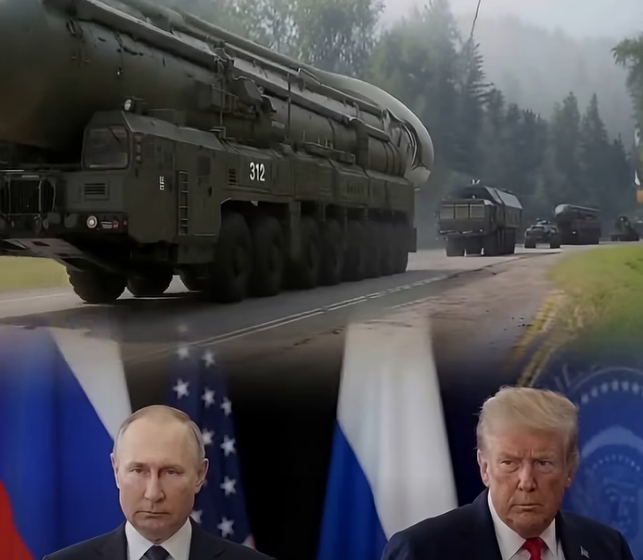
A reported military-cooperation initiative involving thirteen nations is drawing international attention as governments confront a period of heightened geopolitical tension, expanding military activity and growing concerns over regional security. However, details surrounding the reported coalition remain limited, and the available information does not yet establish that the countries have created a formal military alliance with binding defense obligations.
Reports circulating online describe the arrangement as a defensive coordination effort designed to improve cooperation between participating governments. Such cooperation could potentially include intelligence sharing, military exercises, logistical planning, maritime security, communications and coordination during emergencies.
The development comes at a time when military partnerships are becoming increasingly important in international affairs. Governments in several regions have expanded defense cooperation as conflicts, strategic competition and concerns over supply routes have increased. Military exercises involving multiple countries have also become more common as nations seek to improve interoperability between their armed forces.
One example occurred in India in 2026, when Exercise PRAGATI brought together military personnel from thirteen nations, including India, Bhutan, Cambodia, Indonesia, Laos, Malaysia, Maldives, Myanmar, Nepal, the Philippines, Seychelles, Sri Lanka and Vietnam. The exercise focused on joint training and counter-terrorism operations rather than the creation of a new permanent military alliance.
A separate development occurred in July 2026, when Saudi Arabia announced plans for an international maritime-defense alliance intended to protect important shipping and energy routes in the Red Sea region. Saudi officials said thirteen countries had initially agreed to participate.
These developments illustrate why claims about a “13-nation military coalition” require careful examination. A military exercise, temporary task force, defense partnership and formal alliance are not necessarily the same thing. Their legal obligations, command structures and military commitments can differ substantially.
The distinction is particularly important during periods of heightened international tension. Military cooperation can be intended to strengthen deterrence and reassure participating countries, but increased military coordination can also be interpreted differently by governments outside the group. Exercises, weapons deployments and troop movements can therefore carry both practical and political significance.
The identities of the thirteen countries, the precise terms of their reported agreement and the existence of any binding mutual-defense commitment are among the most important details still requiring confirmation.
For now, claims that the development represents the creation of a new global military bloc should therefore be treated cautiously. Further official statements from the governments involved, defense ministries or established international organizations would be needed to determine the coalition’s actual structure and purpose.
What is clear is that multinational military cooperation is expanding in several regions as governments respond to an increasingly complicated security environment. Whether the reported thirteen-nation arrangement develops into a permanent alliance—or remains a limited coordination mechanism—will depend on the agreements ultimately announced by the participating states.