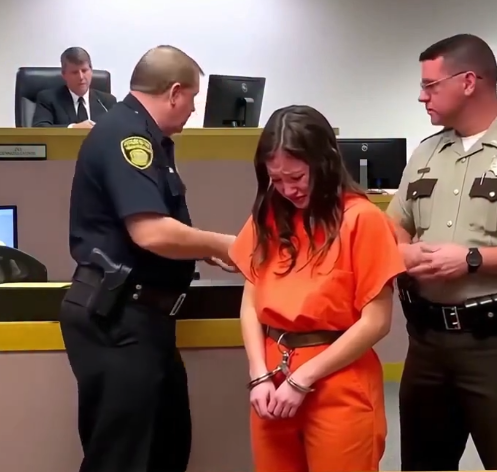
Juvenile Life Without Parole: The Debate Over Punishing Children as Adults
The United States, home to one of the largest incarcerated populations in the world, has faced decades of scrutiny over how its justice system treats young offenders. Few issues have generated as much ethical and legal debate as the practice of sentencing juveniles to life in prison without the possibility of parole.
For many years, courts in the United States allowed minors convicted of extremely serious crimes to receive sentences that effectively meant spending the rest of their lives behind bars. Human Rights Watch and the Equal Justice Initiative have documented cases involving individuals who were sentenced for crimes committed when they were children, including some who were barely into their teenage years.
These cases have raised a fundamental question: Should a child who commits a serious crime be punished as though their character and decision-making abilities are already fully developed?
The debate is complicated because juvenile cases can vary dramatically. Some involve homicides committed during robberies or violent confrontations, while others involve young people who were convicted under accomplice or felony-murder laws even when they were not the person who directly caused the death.
Reform advocates argue that the circumstances surrounding a child’s life should be considered when determining punishment. Many young offenders come from difficult environments characterized by poverty, unstable housing, family violence, abuse, neglect, or limited access to education and social services. Supporters of reform argue that these factors do not excuse criminal behavior, but they can help explain how a child arrived at such a serious offense.
Another major argument involves the science of adolescent development. Research has increasingly shown that teenagers are different from adults in important ways. Young people generally have less-developed impulse control, are more susceptible to peer pressure, and may have greater difficulty considering long-term consequences. Their personalities and decision-making abilities are also still developing.
These findings have influenced the American legal system. Over time, the U.S. Supreme Court has placed restrictions on some of the harshest punishments imposed on juveniles, reflecting the idea that children possess a greater capacity for change than adults.
One of the most widely discussed cases involving a very young offender is that of Lionel Tate. Tate was only 12 years old when he was arrested following the death of a six-year-old girl in Florida. Prosecutors said the child died after Tate used wrestling-style moves on her. The case attracted national attention because of Tate’s age and the severity of the punishment initially imposed.
Tate was originally sentenced to life in prison without parole, making him one of the youngest people in modern American history to receive such a sentence. The punishment generated intense public debate about whether a child so young could reasonably be considered beyond rehabilitation.
His case later took another turn when the sentence was overturned, but the controversy surrounding it continued. The case became an example frequently cited in discussions about juvenile justice, particularly when examining the balance between accountability and the possibility of rehabilitation.
Critics of juvenile life sentences argue that permanent punishment fails to recognize the possibility that children can fundamentally change as they mature. A 12-, 13-, or 14-year-old may be capable of making an extraordinarily harmful decision without possessing the emotional maturity of an adult. From this perspective, a sentence that guarantees decades in prison can ignore the possibility of rehabilitation.
Supporters of severe sentences, however, emphasize the seriousness of the crimes involved and the suffering experienced by victims and their families. They argue that the justice system must also recognize the consequences of violent crimes and that age should not automatically eliminate accountability.
This creates one of the most difficult questions in criminal justice: How should society balance accountability for victims with the developmental potential of young offenders?
The debate is also connected to broader questions about inequality within the justice system. Reform organizations have argued that children from disadvantaged communities can be disproportionately exposed to circumstances that increase their vulnerability to crime. Poverty, violence, inadequate educational opportunities, and limited access to mental-health or social services can all affect a young person’s development.
At the same time, acknowledging these circumstances does not mean dismissing the harm caused by serious offenses. Families of victims can experience permanent consequences, and their voices remain an important part of the discussion.
Ultimately, the debate over juvenile life without parole reflects a larger disagreement about the purpose of punishment. Is the primary goal to impose consequences for the crime, or should the justice system also leave room for rehabilitation and personal transformation?
The answer has evolved over time. Legal changes and court decisions have increasingly recognized that children are not simply smaller versions of adults. Their brains, judgment, and understanding of consequences continue developing well into adolescence and early adulthood.
Cases involving young offenders therefore remain important to the broader conversation about justice reform. They force society to confront difficult questions about responsibility, redemption, public safety, and the capacity for change.
For advocates on both sides, the issue ultimately comes down to how the justice system should respond when a child commits an extraordinarily serious crime. The consequences may be severe, but the central question remains whether a young person should be defined forever by the worst decision they made as a child—or whether the law should recognize that growing up can fundamentally change who that person becomes.