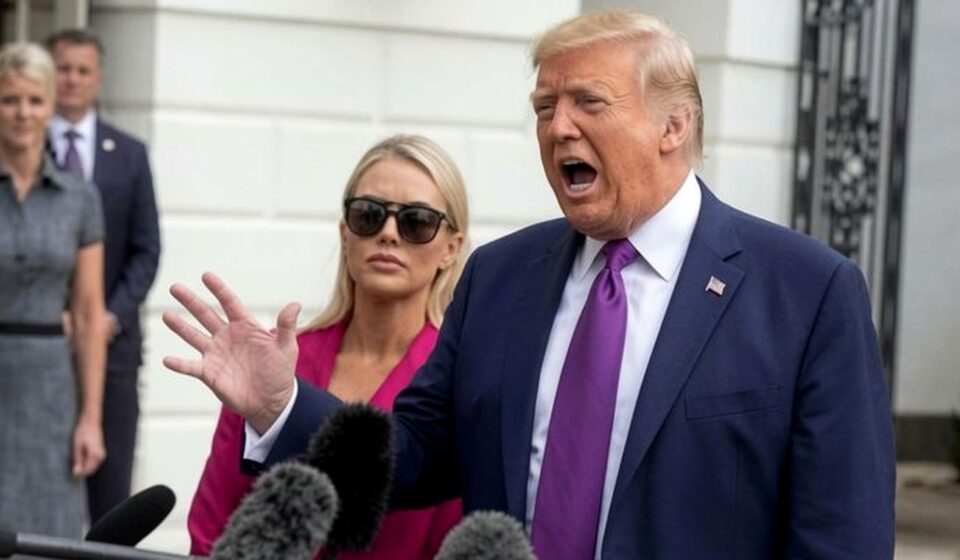
hat Thursday marked a historic and unprecedented moment in the history of the United States. For the first time, a former president was charged with federal crimes connected to actions taken after leaving office. The charges represented a significant moment in American political and legal history because they raised important questions about presidential responsibility, the limits of executive power, and the relationship between political leadership and the rule of law.
Federal prosecutors alleged that Donald Trump participated in a criminal effort to overturn the results of the 2020 presidential election. The indictment accused him of conspiring to defraud the United States, obstruct the official certification of the election results, and interfere with constitutional rights connected to the voting process. Prosecutors argued that these actions were part of a broader attempt to prevent the peaceful transfer of presidential power after the election results were confirmed.
The case attracted widespread attention because it involved a former president and challenged long-standing assumptions about whether individuals who have held the highest office in the country can be held legally accountable for their actions. Supporters of the prosecution argued that the legal system must apply equally to all citizens, including former presidents. They viewed the charges as part of an effort to protect democratic institutions and reinforce the idea that no person is above the law.
At the same time, the case generated strong opposition from many Americans. Critics of the prosecution argued that the charges were politically motivated and represented an unfair attempt to damage a major political figure. They questioned the role of federal prosecutors in pursuing charges against a former president and expressed concerns about the potential impact of criminal proceedings on the political environment. These disagreements reflected broader divisions in the United States over issues such as election integrity, government authority, and the role of courts in political disputes.
Beyond the immediate legal arguments, the case raised larger questions about the future of American democracy. The peaceful transfer of presidential power has long been considered a central feature of the country’s political system. The events following the 2020 election and the resulting criminal case brought renewed attention to how democratic institutions respond when election results are challenged by political leaders and their supporters.
The legal process also highlighted the importance of separating political opinions from judicial decisions. While public debate often involves strong emotions and competing viewpoints, courts are responsible for examining evidence, interpreting laws, and determining whether the government has met the required legal standards. The outcome of such proceedings depends on legal arguments, evidence presented, and decisions made through established judicial procedures.
The case against Donald Trump became one of the most closely watched legal matters in modern American history. It involved not only questions about individual actions but also broader discussions about accountability, presidential authority, and public trust in democratic institutions. Regardless of differing opinions about the charges, the proceedings represented a major moment in the continuing debate over the balance between political power and the rule of law in the United States.
As the case developed, Americans continued to debate its meaning and consequences. Some focused on the importance of ensuring accountability for leaders, while others emphasized concerns about political conflict and the use of legal mechanisms against public figures. The controversy demonstrated the deep divisions within the country and showed how legal cases involving political leaders can influence public discussions about democracy, government, and the responsibilities of those who hold public office.